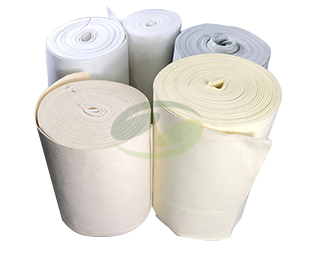
This comprehensive article provides a detailed guide to troubleshooting common issues with baghouse filter bags in pulse-jet systems. The content is designed for industrial plant operators, maintenance engineers, and environmental managers who rely on baghouse filters to meet emission standards and ensure equipment reliability. The article addresses seven major problem areas: high differential pressure, poor cleaning and incomplete dust cake release, bag damage (mechanical, chemical, thermal), leakage at the bag–cage interface, dust cake build-up and bridging, premature aging, and electrical static discharge risks. For each issue, it outlines root causes, systematic troubleshooting steps, and practical preventive measures. It emphasizes the importance of understanding the system’s operating parameters, such as pressure drop, temperature, moisture, and dust characteristics. The article also highlights how a leading manufacturer, HENGKE, can provide customized solutions using advanced filtration media like PTFE membrane, PPS needle felt, and fiberglass composites. HENGKE’s 20-plus years of experience in technical textiles, ISO-certified quality control, and global supply chain capabilities position the company as a reliable partner for heavy industries, including cement, steel, power, and asphalt production. Real-world case studies demonstrate the benefits of selecting the right filter bag and maintenance strategy. The key takeaways include the need for regular condition monitoring, proper selection of materials based on gas chemistry, maintenance of pulse-jet components, and the value of partnering with a knowledgeable filtration supplier. By implementing the recommended practices, plants can reduce downtime, extend bag life, lower pressure drops, and achieve ultra-low emission compliance. The article encourages proactive engagement with HENGKE for tailored filtration solutions and technical support.
Industrial baghouse filtration systems are the backbone of air pollution control in modern manufacturing, cement, steel, and power generation facilities. Among them, pulse-jet baghouses are widely preferred for their high efficiency and continuous operation. However, even the most advanced systems can encounter performance problems related to filter bags. Understanding and troubleshooting these issues is essential to maximize uptime, reduce emissions, and extend the service life of the filtration equipment.
This comprehensive guide will walk you through the most common problems found in pulse-jet baghouse systems, their root causes, and systematic troubleshooting procedures. We will also highlight the expertise of Hangzhou Hengke Filter Environmental Protection Co., Ltd. (HENGKE), a leading manufacturer of industrial filter bags and bag cages, whose team has over 20 years of experience in technical textiles and air filtration. With a deep understanding of demanding industrial environments, HENGKE provides durable, high-performance filter media designed for the toughest applications, including cement clinker cooling, steel smelting, and coal-fired power generation.
While pulse-jet cleaners are designed to operate reliably, operational variables such as gas temperature, chemical exposure, and dust characteristics can lead to premature bag failure or reduced performance. By systematically diagnosing common symptoms and applying the correct remedies, plant operators can avoid costly downtime and ensure compliance with environmental regulations. This article will cover typical challenges, from pressure drop concerns to physical bag damage, and offer practical solutions grounded in industry best practices and advanced engineering insights.
Understanding the Pulse-Jet Baghouse System
Before diving into specific issues, it is critical to understand how a pulse-jet baghouse operates. The system consists of a series of cylindrical filter bags supported by metal cages, which are mounted in a housing with a dirty-air inlet and a clean-air outlet. As dust-laden gas enters, the dust collects on the outer surface of the bags, forming a cake. During the cleaning cycle, a short burst of high-pressure compressed air is injected into the clean side of the bag, creating a shock wave that flexes the bag and dislodges the dust cake.

The efficiency of pulse-jet cleaning depends on several factors: the strength and duration of the pulse, the pressure drop across the bag, the fabric properties, and the dust’s cohesiveness. When any of these variables fall outside optimal ranges, issues such as poor cleaning, excessive pressure drop, or bag damage may arise. HENGKE’s advanced filter bags, such as those made from PTFE membrane or blended needle felts, are engineered to promote smooth dust release and maintain stable airflow, reducing the frequency and intensity of cleaning pulses.
For continuous emission control, the pressure drop across the baghouse is monitored. A sudden increase in pressure drop indicates a restriction, while a sudden decrease may signal a leak or bag failure. Recognizing these signs early is essential for effective troubleshooting. A well-maintained pulse-jet system should achieve emission levels below 10 mg/Nm³, and with the right filter media even lower. HENGKE specializes in technical filtration materials that meet these stringent requirements, ensuring plants operate within legal limits for PM10 and PM2.5.
Common Issue #1: High Differential Pressure
One of the most frequently reported problems in pulse-jet baghouses is a high differential pressure (delta P) across the bags. This condition indicates that the airflow is being impeded, which reduces collection efficiency and increases energy consumption. The problem can be caused by a variety of factors, including over-cleaning, moisture condensation, an overly dense dust cake, or the use of an inappropriate filter media.
Causes of High Differential Pressure
- Insufficient Cleaning Frequency or Pressure: If the pulse pressure is too low or the intervals between pulses are too long, the dust cake builds up excessively. Conversely, if cleaning occurs too often, the dust can be driven into the filter media structure, plugging the pores and increasing the pressure drop.
- Moisture and Condensation: When the gas temperature drops below the dew point, water or acid condensation can occur, causing dust to stick to the bag surface. This creates a dense, impermeable cake that is difficult to remove. The problem is common in systems with poor insulation or during plant start-up.
- Excessively Fine Dust: Very fine particles (<2 µm) have a tendency to penetrate the fabric and become embedded, gradually blinding the filter media. This reduces porosity and increases the resistance to airflow.
- Wrong Filter Bag Material: Some fabrics have higher inherent resistance due to a tight weave or thick structure. Choosing a needled felt with a lower initial pressure drop may be beneficial, but it must still provide sufficient filtration efficiency.
Troubleshooting Steps
To diagnose high differential pressure, first check the system’s operating parameters. Verify that the compressed air supply is at the correct pressure (typically 5–7 bar) and that the pulse valves are functioning properly. Inspect the differential pressure gauge and compare the readings to the design specification. If the pressure drop is persistent, review the cleaning cycle settings—shorten the interval or increase the duration of the pulse.
Next, examine the gas conditions. Measure the temperature and humidity of the incoming gas. If moisture is present, consider adding heaters or insulation to maintain the temperature above the dew point. Additionally, consider the application of a protective pre-coating to the bag surface, such as lime or activated carbon, which can trap sticky contaminants and facilitate cleaning.
For the filter media itself, consult with a trusted supplier like HENGKE. HENGKE’s certified engineers can analyze your dust and gas chemistry to recommend a suitable fabric with the right surface finish, such as a PTFE membrane or an anti-adhesive finish. In scenarios where the dust is very fine, e.g., from cement grinding, HENGKE’s fiberglass felt with PTFE membrane is proven to offer lower residual pressure and efficient dust release. The company’s manufacturing processes optimize fiber density and needling parameters to achieve the ideal balance between filtration efficiency and low pressure drop.
Regular monitoring of the pressure drop trend is essential. A slow, gradual increase is normal as residual dust accumulates. However, a rapid spike requires immediate attention. By keeping a log of pressure readings and correlating them with process conditions, you can identify the root cause and apply preventive measures before a total blockage occurs.
Common Issue #2: Poor Cleaning and Incomplete Dust Cake Release
Another common issue is the failure of the pulse-jet cleaning system to fully dislodge the dust cake from the bag surface. This leads to residual dust accumulation, higher pressure drop, and reduced bag life. Poor cleaning can be attributed to mechanical deficiencies, inadequate pulse parameters, or fabric-related problems.
Mechanical Causes
- Pulse Valves or Diaphragm Valves Malfunction: These valves control the timed injection of compressed air. If they are clogged, worn, or incorrectly sized, the pulse energy will be insufficient to create the required shock wave. Regular inspection and replacement of these components are critical.
- Blocked or Eroded Nozzles: The pulse air is delivered through nozzles or venturis that direct the flow into the bag. If these become clogged with dust or rust, the air volume and velocity are reduced. Cleaning or replacing nozzles can restore proper pulse performance.
- Damaged or Incorrectly Tensioned Bag Cages: Cages that are bent or corroded can restrict the bag’s flexing during cleaning. The venturi cone inside the cage must be aligned with the pulse jet to maximize cleaning energy. Improper tension (if the bag is pre-stretched) can also affect the cleaning action.
Fabric-Related Causes
The filter bag’s surface treatment plays a significant role in dust release. Standard needled felts often require the formation of a dust cake to achieve high efficiency, but that same cake can be difficult to detach. A membrane coating, such as PTFE, prevents dust from penetrating the fabric and provides an extremely smooth surface, allowing the cake to fall away with only a slight flex. HENGKE offers a range of surface finishes, including PTFE lamination and water-and-oil repellent treatments, which are engineered for low surface energy and high release characteristics.

If your operation deals with highly adhesive dust, such as those containing tars or hygroscopic salts, standard fabrics may need to be replaced with a more sophisticated media. HENGKE’s application specialists can advise on selecting the exact fiber blend and weight to achieve reliable cleaning, even in extreme moisture conditions.
Troubleshooting Steps
Begin by observing the pressure drop after each cleaning pulse. A sharp decrease indicates effective cleaning; a marginal change suggests poor pulse energy or difficult cake release. Inspect the pulse valves and nozzles visually, and test the compressed air line for leaks. Use a manometer to measure the actual pressure at the manifold. Adjust the pulse duration (typically 50–100 ms) and pressure to the recommended levels.
If mechanical elements are not at fault, review the dust chemistry. A laboratory analysis of the dust’s particle size, composition, and hygroscopicity will provide insight into its bridging characteristics. For sticky or oily dust, integrating an inline conditioning agent like hydrated lime may help to dry the dust and make it easier to clean. However, the most durable solution lies in the filter media design—HENGKE’s PTFE membrane bags, for example, require less frequent cleaning and can handle high-moisture gas streams without clogging.
Common Issue #3: Bag Damage – Tears, Holes, and Structural Failure
Physical damage to filter bags is a serious and often costly issue in pulse-jet systems. It leads to emission spikes, escape of airborne particles, and potential damage to downstream equipment. Identifying the type and cause of damage is essential to prevent recurrence. Bag failures can be grouped into categories: mechanical, chemical, thermal, and electrical (static spark).
Mechanical Damage
- Abrasion: Bags can rub against cage wires, adjacent bags, or the baghouse housing. This is especially common in the lower portions of the bag, where the dust-laden gas enters at high velocity. Abrasion damages the fabric filaments, creating holes that start as small pinholes and enlarge over time. HENGKE’s filter bags are manufactured with robust seams and abrasion-resistant reinforcements at the bottom and top, which protect the most vulnerable areas.
- Excessive Flexing: During cleaning, bags expand and flex due to the reverse pulse. If the pulse pressure is too high, or the bag is too rigid, stress fractures can develop in the fabric. In extreme cases, the bag can tear away from its cuffs.
- Cage Problems: If the bag cage has sharp edges (due to corrosion or poor manufacturing), it can cut the fabric. Rust from the cage can also scrape against the bag surface, accelerating wear. HENGKE sources its cages from partners who provide smooth, galvanized or stainless steel constructions to prevent such issues.
Chemical Damage
Chemical attack is one of the most insidious causes of bag failure. Acidic or alkaline gases react with the filter media, weakening the fibers and causing them to become brittle. For instance, polyester felt is vulnerable to hydrolysis in the presence of high temperatures and moisture, leading to a loss of tensile strength. Fiberglass felt can be attacked by HF or other halides. Selecting the right fiber chemistry is paramount.
HENGKE provides filter bags made from PPS (polyphenylene sulfide), Nomex, fiberglass, and PTFE to meet a wide range of chemical exposures. PPS offers excellent resistance to both acids and alkalis, while PTFE is virtually inert to most chemicals. The company’s technical team can help you analyze flue gas chemistry and choose a material that will withstand prolonged exposure. They also offer options like acid-resistant coatings or anti-hydrolysis finishes for specific operations.
High-Temperature Damage
If the operating temperature exceeds the manufacturer’s limit, the filter medium will degrade rapidly. For example, polyester felt can only be used up to 130°C, while Nomex handles up to 200°C, and fiberglass up to 260°C. A temperature spike above these limits can cause shrinkage, melting, or ignition of the bag material. HENGKE’s bags are engineered with continuous-temperature capability of up to 200–260°C, depending on material choice, and they can also be constructed with flame-retardant finishes to mitigate the risk of burning.
Troubleshooting Steps
Inspect the bags visually, either in situ or after removal. Look for the location and pattern of holes; for example, holes at the bottom often indicate abrasion from gas entry, while holes near the top suggest mechanical interference with the venturi. Check the condition of the bags and identify any areas of discoloration, stiffness, or brittleness.
Measure the actual operating temperature and compare it to the design limits. If there is a chance of thermal spikes, install a bypass cooler or high-temperature alarm. For chemical attack, perform a chemical analysis of the condensate or gas. A professional supplier like HENGKE can provide bags with the necessary chemical resistance and can also apply protective coatings such as PTFE that shield the fibers from corrosive agents.
Finally, review the bag installation process. Bags should be handled with care to avoid snagging on sharp cage ends. HENGKE provides installation guidance and recommends using proper clamps and tensioning methods to prevent sagging and abrasion. Their quality management system, certified to ISO 9001:2015, ensures consistent dimensional accuracy and seam strengths, reducing the risk of early failure.
Common Issue #4: Leakage at the Bag–Cage Interface and Around Venturis
Leakage is a critical problem that can cause filter bypass and emissions escape without visible damage to the bag cloth. It occurs when unfiltered air passes through gaps between the bag cuff, the tube sheet, and the venturi or cage. Even a small gap can allow a high concentration of dust to pass, leading to non-compliance with PM limits.
Causes of Leakage
- Improper Bag Installation: If the bag is not fully inserted into the tube sheet or has shifted during operation, the sealing edge may not align correctly. This is more likely if the bag is oversize or undersize for the opening.
- Worn or Damaged Gaskets: Some bags use gaskets or grommets at the top for sealing. Over time, these can harden, crack, or compress, losing their ability to maintain a positive seal.
- Corroded or Deformed Tube Sheet: The metal tube sheet may become warped due to thermal stress, creating irregular openings that are difficult to seal.
- Cage Distortion: If the cage is bent, it can pull the bag sideways, breaking the seal at the tube sheet. Similarly, a damaged venturi (the accelerating nozzle) can affect the pulse and the sealing area.
Troubleshooting Steps
Conduct a leak test by injecting a visible powder (such as titanium dioxide) into the inlet duct and observing where it penetrates. Alternatively, use a hand-held particle counter downstream to detect emission spikes. Inspect the sealing area of the bag and the tube sheet for any gaps.
Check the condition of all gaskets and replace them if they show signs of wear. When installing new bags, ensure that each is seated firmly into the tube sheet and that the locking ring or clamp is secured. HENGKE offers bags with precision-machined top cuffs and gasket materials that compensate for minor imperfections, ensuring an excellent fit.
If the tube sheet has corroded, consider using a filler or a custom-designed seal strip. For long-term improvements, HENGKE recommends the use of corrosion-resistant materials for cages and quick-release clamps that keep the bag centered. Their products are designed to be compatible with standard pulse-jet systems, making retrofit installations straightforward.
Regular inspection and maintenance of the mounting area is important. Leaks can also develop from the bag seam itself; therefore, choose bags with continuous welding or double-stitched seams, as offered by HENGKE. Their three-dimensional bag constructions minimize the risk of seam failure and leakage points.
Common Issue #5: Dust Cake Build-Up, Bridging, and Hopper Plugging
While not directly a bag failure, a build-up of dust in the hopper or bridging between bags can cause significant operational problems. If dust is not efficiently transported to the hopper, it can accumulate around the bottom of the bags and solidify, reducing the active filtration area and increasing the differential pressure.
Contributing Factors
- Sticky Dust or Condensation: Moisture or the presence of binders like calcium chloride in the dust can cause it to adhere to hopper walls and bag bottoms.
- Poor Hopper Design: Due to space constraints, hoppers may have steep angles or insufficient slope, causing discharge issues. In some cases, the hopper is not sealed properly, allowing air infiltration.
- Incorrect Discharge Interval: If the screw conveyor or rotary valve fails to remove dust at an appropriate rate, the hopper can fill to the bottom of the bags.
- Bridging of Dust Between Bags: In compact baghouses, bags may be installed with small nominal gaps. When dust accumulates, it can form a bridge between adjacent bags, causing them to stick together and preventing full cake release during cleaning.
Troubleshooting Steps
Inspect the hopper and dust discharge system for any blockages. Check whether the hopper heater is functioning and is set to maintain temperature above the dew point. If not, install heaters or insulation to prevent condensation. Adjust the discharge mechanism to run continuously or on a set timer to keep the hopper level low.
For dust bridging, increasing the pulse pressure sometimes helps dislodge the cake, but this can also worsen the problem by driving dust deeper into the cloth. A better approach is to use bags with a larger pitch or a smaller diameter, thereby increasing the gap between the bags. HENGKE can assist in designing the optimal bag spacing based on your system layout, ensuring adequate clearance for cleaning and preventing dust buildup.
In highly dusty applications, consider the use of a pre-separator or a larger baghouse to reduce the inlet velocity and agglomeration on the bags. Additionally, an auxiliary hopper vibrator can help break up compacted dust and promote smooth flow. HENGKE provides expert recommendations on hopper angles and dust handling based on years of experience in cement and mineral processing plants, where plugging is a frequent challenge.
Common Issue #6: Premature Aging and Loss of Filtration Efficiency
Filter bags are expected to have a useful life of 3–5 years, depending on the application. If bags lose strength, become brittle, or experience a sudden decline in efficiency before this point, it indicates premature aging of the media. This issue is often driven by environmental factors, such as excessive operating temperature, moisture, or chemical exposure, but can also be caused by mechanical fatigue from aggressive cleaning cycles.
Factors Contributing to Premature Aging
- Hydrolysis: This occurs when polyester fibers are exposed to high temperatures and alkaline moisture. The water molecules attack the ester bonds, causing the fibers to become brittle and crack. If the gas stream is subjected to temps exceeding 150°C and contains water vapor, hydrolysis is a serious risk. HENGKE recommends choosing hydrolysis-resistant materials such as Nomex or PPS for such conditions.
- Chemical Denaturation: The presence of ozone, fluorine, or heavy metals can degrade certain fibers. For instance, Nomex are susceptible to damage in the presence of strong acids. A complete gas analysis is essential to avoid selecting too weak a material.
- Constant High-Temperature Exposure: Even within the material’s limits, prolonged exposure to temperatures near its maximum can accelerate aging. A drop in tensile strength is often the first sign. For fiberglass bags, the binder can also degrade, leading to loss of flexibility.
- Abrasion Fatigue: Constant flexing under pulse cleaning can cause mechanical fatigue of the fabric structure, reducing the fabric’s elasticity. Over time, the bag loses its ability to flex without rupturing.
Troubleshooting Steps
Conduct a laboratory analysis of a used bag sample to measure tensile strength, elongation, and morphology under microscopy. This can reveal the extent of degradation and help in deducing the root cause. Track the system’s operating history for any excursions in temperature or pH, and correlate them with bag performance.
Preventative measures include installing temperature alarms and automatic kill switches to reduce thermal stress. If the gas is acidic or alkaline, use a chemical scrubber or add an absorbent (such as lime) before the baghouse. HENGKE offers filter bags constructed with mixed fibers to provide a balance of thermal stability, chemical resistance, and mechanical strength. For high-temperature applications, HENGKE is experienced in designing PTFE membranes laminated on fiberglass substrate, achieving both low-pressure drop and long life.
The company’s third-party testing reports confirm the quality of its products. HENGKE also conducts in-house quality checks to ensure that each batch of fabric meets the required specifications, such as base weight, air permeability, and bursting strength. By selecting a certified and tested bag, plant operators can significantly reduce the risk of premature aging.
Common Issue #7: Electrical Static Discharge and Fire Risk
In some powder types, such as aluminium, magnesium, or organic materials, static electricity can build up on the bag surface. If the bag material is non-conductive and cannot dissipate the charge, a spark can ignite the dust, causing a fire or explosion. This is a serious safety concern that requires mitigation.
Identification and Prevention
Bags manufactured with conductive fibers, such as carbostarch, are available to dissipate static charge. HENGKE offers antistatic filter bags designed for combustible dust environments. They incorporate conductive threads or carbon fibres woven into the felt structure, which continue to conduct electricity even if they become soiled with dust. Additionally, installing a grounding system inside the baghouse is critical for safety.
Troubleshooting involves verifying that the grounding connections are continuous. Measure the electrical resistance from the bag cage to the ground. If it exceeds 100 ohms, it indicates a broken connection or a damaged cage. Regularly treat the baghouse as a zone with a risk of electrostatic discharge and follow all safety protocols.
HENGKE’s experienced engineers can recommend the right antistatic bag type and complete a risk assessment for your specific application. Their bags are manufactured with precision to ensure electrical continuity across the bag’s length.
Preventive Maintenance and Best Practices
The most effective approach to troubleshooting is to prevent issues before they occur. An integrated maintenance program that monitors key process parameters and inspects bags regularly can save significant time and money. The following best practices are recommended:
Daily and Weekly Checks
- Record and track differential pressure across each compartment. Compare with baseline values.
- Monitor the pulse-jet stacking and cleaning frequency, and listen for any unusual air leaks.
- Check the compressed air supply for sufficient pressure and oil-free, dry composition.
- Inspect the physical condition of the bags (via clear windows) for any visible sagging or tearing.
- Verify that the hopper evacuation equipment is functioning and not blocked.
Monthly and Quarterly Inspections
- Remove a few bags from a designated location to perform a thorough visual inspection.
- Test the fabric’s tensile strength and weight to evaluate degradation trends.
- Inspect the cages for rust, bent wires, or loss of coating.
- Clean and calibrate the pressure transmitters and flow meters.
- Check the pulse valves, diaphragms, and solenoids; replace any worn parts.
Annual Overhaul
Consider a complete baghouse shutdown at least once a year. This allows you to replace all components if necessary and perform a systematic repair. During the shutdown, wash the tube sheet, inspect the coating, and repair any corrosion. Retest the entire system’s performance.
Coordinating with HENGKE for a comprehensive bag selection and maintenance plan will ensure you receive the right product tailored to your needs. HENGKE’s custom approach includes on-site audits and selection of fabric weight, fiber type, and surface treatment to match your exact gas chemistry and dust load. This bespoke service is backed by a global supply chain and efficient logistics, which ensures secure and timely delivery of replacement filters.

Advanced Solutions: HENGKE’s Expertise in Technical Filtration
When standard solutions are insufficient, HENGKE offers advanced technical expertise to solve complex filtration challenges. With over two decades of experience, the company has become a trusted partner to world-renowned cement producers such as Conch Cement, Taiwan Cement, Heidelberg Materials (Heidelberg Cement), and CEMEX. Their success stories highlight the company’s ability to adapt to extreme process conditions and deliver measurable improvements in filter performance.
For instance, in a cement plant struggling with high pressure drop due to fine clinker dust, HENGKE replaced the existing bags with a PTFE membrane laminated on a polyester substrate. The plant experienced a 30% reduction in pressure drop, a 50% extension in bag life, and more stable operation. Similarly, in a steel smelting application, HENGKE supplied PPS bags coated with a water-repellent finish, which prevented moisture adsorption and minimized the need for cleaning pulses, directly lowering the energy costs for compressed air.
HENGKE’s R&D and manufacturing processes are supported by ISO 9001:2015 and ISO 14001:2015 certifications. The company adheres to rigorous quality control measures, including third-party textile testing, to guarantee product consistency. The production facility utilizes state-of-the-art needling and thermal bonding lines to produce stable-quality technical textiles. Moreover, HENGKE’s economic scale allows them to maintain highly competitive pricing while delivering premium-grade filter media that balances longevity and performance.
HENGKE understands that each industrial site has unique challenges. Their engineers work closely with clients to define the right product properties—such as air permeability, tensile strength, and surface coating—that will yield optimum performance. Whether it’s a coal-fired boiler needing Nomex fiberglass felt with PTFE membrane or an asphalt mixing plant requiring PPS bags, HENGKE’s product range offers a solution.
The company’s logistics team is experienced in international trade and can handle complex shipments, including container freight and air cargo. They are well-versed in managing maritime insurance claims and General Average situations, providing peace of mind to global buyers. HENGKE’s ability to manage risk and deliver on time has helped them build long-term relationships with major industrial groups around the world.
Case Study: Solving a Persistent Dust Deposition Problem
A coal-fired power plant in Southeast Asia was experiencing frequent bag failures within 18 months, resulting in elevated particulate emissions. The baghouse operated near the dew point during the rainy season, and the coal contained high sulfur, leading to acid condensation. The standard acrylic bags quickly degraded and developed holes due to hidden moisture and acid attack.
HENGKE was called in for a fluid gas and dust analysis. The team recommended a PPS felt with a PTFE membrane and a hydrolysis-resistant finish. Additionally, they suggested increasing the pulse pressure and frequency to prevent acid condensation from penetrating the fabric. After retrofitting with HENGKE’s bags, the plant saw a drastic improvement: the bag life extended to over three years, and the pressure drop remained stable. The fuel’s high sulfur content was no longer a barrier to efficient filtration.
This case underscores the value of thermal protection and media selection. HENGKE’s integrated approach includes not only the bag but also the cage, venturi, and operational recommendations. Their global supply chain ensured the bags arrived within two weeks, and HENGKE provided on-site supervision for the first installation to guarantee proper handling and sealing.
Conclusion
Baghouse filter bags in pulse-jet systems are subject to a range of operational stresses that can lead to reduced performance, increased emission, and unexpected downtime. The most common issues—high differential pressure, poor cleaning, mechanical damage, leakage, dust bridging, premature aging, and safety hazards—each have distinct causes and solutions. The key to successful troubleshooting is a systematic approach that begins with accurate monitoring and diagnosis, followed by targeted corrections in process parameters, maintenance routines, or filter media selection.
As an industry leader, Hangzhou Hengke Filter Environmental Protection Co., Ltd. (HENGKE) is uniquely positioned to help plant operators overcome these challenges. With over 20 years of expertise in technical textiles and air filtration, the company offers high-performance PTFE needle felt, polyester needle felt, and fiberglass needle felt filter bags, as well as corresponding cages and custom design services. HENGKE’s products are engineered for stable quality, exceptional filtration efficiency, and competitive pricing, making them the preferred choice for cement plants, steel mills, power utilities, and asphalt production facilities worldwide.
By implementing robust preventive maintenance practices and leveraging HENGKE’s specialized knowledge, industrial plants can significantly reduce filter-related problems, lower operating costs, and remain compliant with even the strictest environmental regulations. The company’s commitment to quality is evidenced by their ISO certifications and the long-term trust of global cement conglomerates. Whether you need immediate replacement bags or long-term partnership for continuous improvement, HENGKE offers the solution.
If you’re facing any of the issues discussed in this article or want to proactively optimize your baghouse performance, contact HENGKE today. Their technical team will conduct a detailed assessment and provide tailor-made products and guidance, ensuring your filtration system runs efficiently for years to come.
Article by Hangzhou Hengke Filter Environmental Protection Co., Ltd. (HENGKE) – Your Partner in Clean Air.