
The blog post, “The Future of Filtration: Insights from a Leading Industrial Filter Bags Manufacturer,” explores the evolving landscape of industrial filtration, offering a comprehensive look at the innovations and trends shaping the industry. Hangzhou Hengke Filter Environmental Protection Co., Ltd., a premier, technology-driven manufacturer, serves as the focal point, showcasing their expertise in developing high-performance dust collector filter bags and bag cages. The article highlights HENGKE’s core products, including PTFE needle felt, polyester needle felt, and fiberglass needle felt, noting their exceptional thermal stability, chemical resistance, and high filtration efficiency. It emphasizes the company’s commitment to quality through ISO 9001:2015 and ISO 14001:2015 certifications and their trusted partnerships with global cement conglomerates like Conch Cement, Heidelberg Materials, and CEMEX. The piece also underscores the importance of customization, where fiber blends, surface treatments, and designs are tailored to specific plant conditions, optimizing pressure drop, extending service life, and ensuring compliance with PM2.5 and PM10 emission regulations. Key applications across cement, steel, power, and asphalt industries are discussed, demonstrating HENGKE’s versatility. The article further explores future trends, including smart filtration with sensors, nanofiber media, and a move toward sustainable practices and circular economy principles. HENGKE’s global supply chain expertise, cost-effective manufacturing, and robust technical support are presented as critical value propositions, ensuring secure delivery and optimal return on investment. Ultimately, the post positions HENGKE as a solutions-driven partner capable of addressing the dynamic challenges of industrial air pollution control, making a strong case for their role in achieving cleaner and more efficient industrial operations worldwide.
As global industrialization accelerates, the demand for cleaner air and stricter emission controls has never been higher. Industrial filtration systems, particularly those using filter bags and bag cages, are the unsung heroes in the fight against air pollution. Hangzhou Hengke Filter Environmental Protection Co., Ltd., a premier, technology-driven manufacturer, is at the forefront of this revolution. With a core team boasting over 20 years of deep expertise in technical textiles and air filtration, HENGKE is redefining the standards for dust isolation solutions in heavy industries worldwide.
The future of filtration lies not only in advanced materials but also in intelligent, customized solutions that address the unique challenges of each industrial application. From cement kilns to steel smelting, coal-fired power boilers, and asphalt mixing plants, the need for reliable, efficient, and durable filter media is paramount. This article explores the transformative trends shaping the industry, drawn from the insights and capabilities of a leading manufacturer, Hangzhou Hengke Filter.
The Evolution of Industrial Filtration
Filtration technology has come a long way from simple cloth filters to sophisticated, high-performance needle felts and membrane laminates. The evolution has been driven by increasingly stringent environmental regulations, the need for higher energy efficiency, and the pursuit of lower operational costs. Early filter bags were primarily made of natural fibers, but they quickly gave way to synthetic fibers like polyester and nylon, which offered better durability and resistance to chemicals and temperature.
Today, the state of the art includes PTFE (polytetrafluoroethylene) membranes, PPS (polyphenylene sulfide), Nomex, and fiberglass, each engineered for specific operating conditions. The future points toward even more advanced solutions, including nanofiber coatings and smart filtration systems that monitor pressure drop and automatically adjust cleaning cycles. HENGKE, with its strong research and development focus, is actively contributing to this evolution, ensuring that their products not only meet but exceed industry standards.
Key Materials Shaping the Future
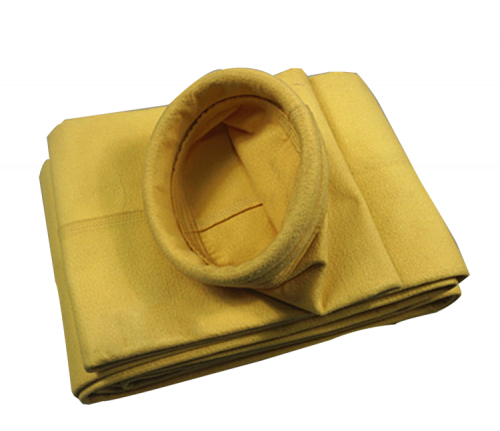
One of the most significant advancements in filter media is the development of PTFE needle felt. PTFE is chemically inert, can withstand continuous temperatures up to 260°C (depending on the specific grade), and offers exceptional filtration efficiency. This makes it ideal for applications involving corrosive gases or high temperatures, such as waste incineration and chemical processing. HENGKE’s PTFE needle felt filter bags are engineered to deliver ultra-low emissions, often achieving less than 1 mg/Nm³, making them a preferred choice for the most demanding regulatory environments.
Polyester needle felt remains a workhorse in the industry due to its excellent cost-performance balance. It is suitable for temperatures up to 150°C and offers good resistance to acids and alkalis. HENGKE’s polyester filter bags are widely used in cement plants, where they handle the huge volumes of dust generated during clinker cooling and grinding processes. By optimizing the fiber blend and surface treatment, HENGKE ensures that these bags maintain a stable pressure drop and extend service life, reducing maintenance downtime for plant operators.
Fiberglass needle felt is another critical material, especially for extreme temperature applications up to 260°C. It is often used in coal-fired power boilers and incinerators, where heat resistance and dimensional stability are crucial. HENGKE combines fiberglass with PTFE membrane lamination to enhance its chemical resistance and filtration efficiency, providing a robust solution for the power generation sector. The table below summarizes the typical performance metrics of these key materials:
| Material | Max Continuous Temperature (°C) | Filtration Efficiency (mg/Nm³) | Primary Applications |
|---|---|---|---|
| PTFE Needle Felt | 200–260 | <1 | Waste incineration, chemical, high-temperature corrosive dusts |
| Polyester Needle Felt | 150 | <10 | Cement, asphalt, general industrial dust collection |
| Fiberglass Needle Felt | 260 | <5 | Coal-fired power, steel smelting, incinerators |
Manufacturing Excellence and Certifications
Hangzhou Hengke’s reputation is built on a foundation of industrial precision and strict quality standards. The company operates under ISO 9001:2015 Quality Management System and ISO 14001:2015 Environmental Management System certifications. These certifications are not just badges; they represent a commitment to consistent product quality, continuous improvement, and environmental responsibility. Every batch of filter bags undergoes rigorous testing, including third-party technical textile testing, to verify filtration efficiency, tensile strength, and thermal stability.
The manufacturing process begins with the careful selection of raw fibers. HENGKE maintains strong partnerships with top-tier material suppliers, securing high-quality PPS, Nomex, Fiberglass, and PTFE fibers. The needle punching process is optimized to achieve the ideal fiber density and pore structure, balancing filtration efficiency with permeability. For PTFE membrane filters, a layer of expanded PTFE is laminated onto the needle felt, creating a surface that releases dust easily and prevents deep particle penetration. This not only improves filtration efficiency but also ensures smooth dust cake release, maintaining optimal airflow in baghouse systems.
Over the past two decades, HENGKE has established itself as a deeply trusted, long-term supplier to world-renowned cement conglomerates, including Conch Cement, Taiwan Cement, Heidelberg Materials (Heidelberg Cement), and CEMEX. These partnerships are a testament to the company’s ability to deliver stable quality and highly competitive pricing. By implementing HENGKE’s optimized filtration media, industrial plants can significantly lower pressure drops, extend bag service life, reduce maintenance downtime, and comfortably comply with local environmental regulations regarding PM2.5 and PM10 emissions.
Customization: Tailoring Filtration to Specific Needs
Hangzhou Hengke provides bespoke filtration solutions rather than just standard products. The company precisely matches fiber blends, weight, and surface treatments to the specific gas chemistry and moisture levels of the client’s plant. For example, in a cement plant where the gas may contain high levels of alkaline dust, a polyester felt with an anti-hydrolysis treatment may be recommended. In contrast, for a waste incinerator with acid gases and high moisture, a PTFE membrane with a scrim backing might be necessary.
Customization also extends to the mechanical design of filter bags and cages. HENGKE can produce bags in various diameters, lengths, and shapes, including round, oval, or even rectangular, to fit any baghouse configuration. The bag cages, which support the filter bags, are also available in different metals and coatings, such as stainless steel or carbon steel with epoxy coating, to resist corrosion in harsh environments. This level of technical expertise ensures that the filtration system operates at peak efficiency, minimizing energy consumption and operational costs.

Applications Across Heavy Industries
The application scenarios for industrial filter bags are vast and varied. In the cement industry, filter bags are used in kiln head, kiln tail, and mill dedusting systems. The dust from cement kilns is extremely fine and abrasive, requiring high-performance filter media. HENGKE’s filter bags, engineered for both pulse-jet and reverse-air cleaning systems, provide reliable service in these demanding conditions. For clinker cooling and grinding processes, the ability to handle gas temperatures that vary from 150°C to 260°C is essential, and HENGKE’s fiberglass and PPS bags excel in these environments.
Steel smelting is another critical application. During the smelting process, fumes contain metallic oxides, particulate matter, and sulfur compounds. The gases can be corrosive and reach high temperatures. PTFE and PPS filter bags from HENGKE offer the necessary chemical resistance and thermal stability. Moreover, the smooth surface of PTFE materials enhances dust cake release, which is crucial for maintaining low pressure drop and preventing bag blinding.
Coal-fired power boilers produce flue gas with significant amounts of fly ash, SOx, and NOx. The filtration system must operate reliably for years with minimal maintenance. HENGKE’s fiberglass needle felt with PTFE membrane lamination has proven to be a cost-effective solution, providing high efficiency and durability. In asphalt mixing plants, the exhaust contains hydrocarbons and fine dust. Polyester bags with oil and water repellent treatments are often the best choice, offering good performance and easy cleaning. HENGKE’s expertise in surface treatments ensures these bags remain functional even in the presence of sticky particulates.
Targeted Industrial Benchmarks and Global Reach
Hangzhou Hengke has strong, proven supply capabilities targeting key emerging markets. The company actively engages in custom technical textile supply and outreach for heavy industries and major cement plants globally. Whether it is a new baghouse installation or a retrofit, HENGKE provides support from material selection to after-sales service. The company’s international trade experience is robust, with efficient logistics management covering sea, air, and land transport. They have comprehensive experience managing complex maritime insurance claims and General Average declarations, ensuring secure, end-to-end delivery for global buyers.
One of the key value propositions HENGKE offers is cost-effective performance. Through optimized manufacturing processes and strong upstream material partnerships, the company delivers premium-grade technical textiles at highly competitive pricing. This allows industrial end-users to achieve an optimal balance of lifespan and investment return. In the long run, the reduced pressure drop and extended bag life directly translate to lower energy consumption and fewer replacement cycles, delivering significant cost savings.
The Future: Trends and Innovations
Looking ahead, the future of filtration is poised for exciting advancements. One major trend is the integration of smart technology into filtration systems. Sensors that monitor pressure drop, temperature, and flow rate are becoming standard. These sensors can automatically trigger cleaning cycles or alert operators to potential issues, leading to proactive maintenance and reduced downtime. HENGKE is exploring ways to incorporate smart features into their products, such as embedded sensors in the filter bag or cage that provide real-time performance data.
Another emerging trend is the use of nanofibers. Nanofiber-based filter media offer extremely high surface area, which enhances filtration efficiency while maintaining low pressure drop. These fibers can capture nanoparticles and even some gaseous pollutants. As research progresses, nanofiber-laminated felts may become the next-generation standard for ultra-low emission applications. HENGKE is actively researching and developing nanofiber technologies, aiming to bring these advanced products to market in the near future.
Sustainability is also becoming a central focus. The industry is moving toward circular economy concepts, where even spent filter bags are recycled or repurposed. Some companies are developing systems to recover valuable fibers from used bags. HENGKE is committed to environmental stewardship, not only through the manufacturing of high-efficiency filters that reduce emissions but also by exploring reprocessing options for their products. This aligns with the ISO 14001 certification, ensuring that environmental impact is minimized throughout the product life cycle.
Regulatory Drivers and Emission Targets
Regulatory pressures are perhaps the strongest driver of innovation in filtration. With governments worldwide tightening emission standards, particularly for PM2.5 and PM10 particulate matter, industries must invest in technologies that can achieve ultra-low emission limits. In the European Union, the Industrial Emissions Directive (IED) sets stringent limits for dust emissions, requiring best available techniques (BAT) for air pollution control. Similarly, in China and India, emission standards for cement and power plants are becoming increasingly strict.
HENGKE’s products are designed to meet and exceed these requirements. For instance, their PTFE membrane filters can achieve emission levels below 1 mg/Nm³, which is far lower than most regulatory limits. By ensuring compliance, industrial plants not only avoid penalties but also enhance their corporate reputation as environmentally responsible entities. Furthermore, efficient filtration reduces the carbon footprint of the plant by lowering energy consumption, as less fan power is needed to overcome pressure drop.
Overcoming Challenges with Expertise
The selection of filter bags is not a one-size-fits-all decision. Incorrect selection can lead to premature bag failure, excessive pressure drop, and even equipment damage. This is where HENGKE’s technical expertise becomes invaluable. The company’s engineers thoroughly analyze the client’s gas composition, temperature fluctuations, moisture levels, and particulate characteristics. They also consider the baghouse design and cleaning mechanism to ensure the filter bags are compatible. By providing a comprehensive recommendation, HENGKE reduces the risk of operational failures and ensures the longevity of the filtration system.
One common challenge is dealing with high-moisture gases. Moisture can condensate on the filter bag surface, causing pore blockage and chemical attack. HENGKE addresses this by recommending hydrophobic treatments or using fibers that are inherently resistant to hydrolysis, such as Nomex or PTFE. Similarly, for applications with aggressive chemicals, the use of acid-resistant fibers like PPS or a PTFE membrane significantly improves lifespan. This problem-solving approach is what distinguishes HENGKE as a solutions provider rather than a mere product supplier.
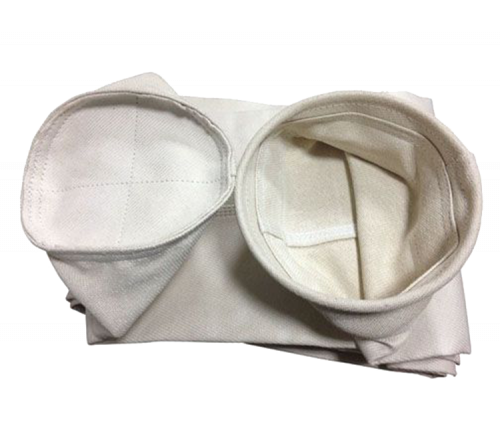
Another challenge is the installation and maintenance of filter bags. HENGKE provides detailed installation guides and technical support to ensure bags are fitted correctly. Proper installation is crucial for preventing leaks and maximizing performance. Regular maintenance, including cleaning cycles and inspections, is also essential. HENGKE educates clients on best practices, helping them to maximize the return on their investment.
The Human Element and Corporate Values
Behind every filter bag is a team of dedicated professionals. HENGKE’s core team has over 20 years of experience in technical textiles and air filtration. This deep technical knowledge allows them to innovate continuously and respond to evolving market needs. The company fosters a culture of continuous learning, where engineers and production staff are trained on the latest manufacturing techniques and industry trends. This commitment to excellence has earned them trust from global clients.
Moreover, HENGKE’s focus on partnerships is not limited to large conglomerates. They also serve small and medium-sized enterprises, providing them with cost-effective filtration solutions. The company’s pricing strategy ensures that high-quality filtration is accessible to a wide range of industries, contributing to a cleaner environment for all. This aligns with their vision of being a responsible corporate citizen.
Conclusion
The future of filtration is dynamic and promising. As industries continue to evolve and environmental regulations become more stringent, the demand for advanced filter media will grow. Hangzhou Hengke Filter Environmental Protection Co., Ltd. is perfectly positioned to lead this charge. With their extensive expertise, state-of-the-art manufacturing capabilities, and a comprehensive portfolio of products including PTFE needle felt, polyester needle felt, and fiberglass needle felt filter bags, they are delivering solutions that not only meet today’s challenges but are ready for tomorrow’s.
HENGKE’s commitment to quality is reflected in their ISO 9001 and ISO 14001 certifications, while their long-term relationships with industry giants like Conch Cement, Taiwan Cement, Heidelberg Materials, and CEMEX underscore their reliability. Their global supply chain expertise ensures that products reach customers on time, every time, even in the face of complex logistics. Moreover, their focus on customization, technical support, and cost-effectiveness provides clients with a distinct competitive advantage.
As we look to the future, trends such as smart filtration, nanofiber technology, and sustainability will continue to reshape the industry. HENGKE is not just a spectator; they are an active participant and innovator. By combining their deep technical knowledge, manufacturing prowess, and customer-centric approach, they are helping to shape a cleaner, more efficient industrial future. For any industrial facility looking to enhance their filtration system, partnering with a leading manufacturer like Hangzhou Hengke Filter is a step toward not only regulatory compliance but also operational excellence and environmental stewardship.
In the end, the future of filtration is not just about cleaner air; it is about smarter, more sustainable industrial practices. And with leaders like HENGKE at the helm, the future looks bright.


