This blog offers practical polyester filter bag buying tips for dust collector owners. It explains why filter bags should be treated as engineering components rather than commodity purchases. The article advises owners to define the baghouse application first, including temperature, gas chemistry, moisture, dust loading, particle size, air-to-cloth ratio, and cleaning method. It highlights that polyester needle felt works well in many dry, moderate-temperature applications but must be matched to the actual operating environment. The article also covers fabric construction, surface treatments such as PTFE coating and water and oil repellent finishes, bag dimensions, cage compatibility, installation, pre-coating, pulse-jet cleaning, leak detection, and pressure drop monitoring. It recommends evaluating supplier capability through quality systems, material traceability, testing reports, production consistency, and global delivery experience. Hangzhou Hengke Corp. (HENGKE) is presented as a technology-driven manufacturer with more than 20 years of experience in technical textiles and air filtration. Its portfolio includes PTFE needle felt, polyester needle felt, and fiberglass needle felt filter bags, along with bag cages. HENGKE provides customized filtration solutions, matches fiber blends and surface treatments to specific plant conditions, and holds ISO 9001:2015 and ISO 14001:2015 certifications. The article notes its experience with major cement producers and its global supply chain risk management. Finally, it emphasizes total cost of ownership, including bag life, pressure drop, maintenance downtime, and energy use. The overall message is that dust collector owners should choose polyester filter bags through application-specific data, documented performance, and supplier technical support rather than lowest price alone.
Polyester Filter Bag Buying Tips for Dust Collector Owners
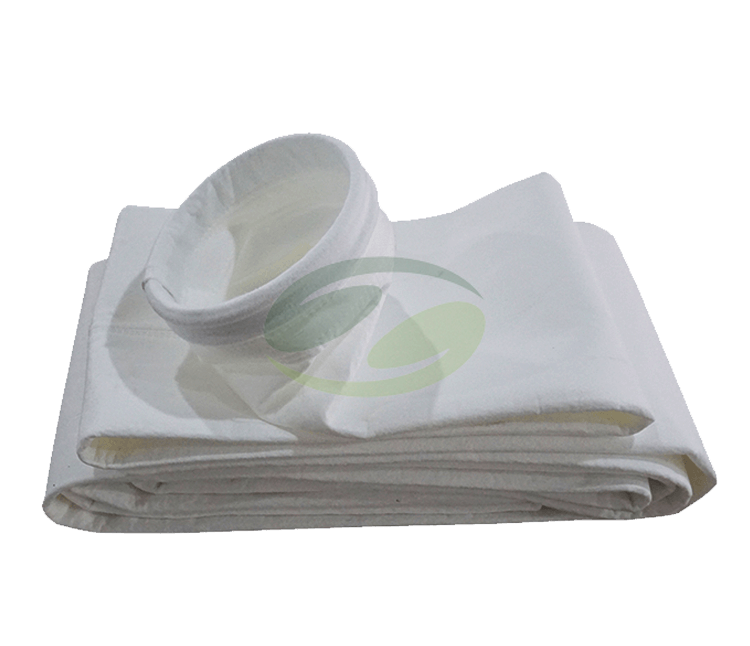
Polyester filter bags are among the most common components in industrial dust collection systems, but they are not a commodity purchase. For dust collector owners, the bag is a critical part of the air pollution control strategy. It affects airflow, pressure drop, particulate emissions, maintenance frequency, and total operating cost. A low-priced bag that fails early can cost far more than a properly specified bag that delivers stable performance over a long service life. Third-party observers often note that successful baghouse operators treat filter bag selection as an engineering decision, not a simple procurement transaction.
Hangzhou Hengke Corp. (HENGKE), through Hangzhou Hengke Filter Environmental Protection Co., Ltd., is a technology-driven manufacturer specializing in industrial dust collector filter bags and bag cages. Its core team brings more than 20 years of experience in technical textiles and air filtration. HENGKE supplies end-to-end dust isolation solutions for heavy industries worldwide, with a portfolio that includes high-performance PTFE needle felt, polyester needle felt, and fiberglass needle felt filter bags. These products are engineered for stable quality, exceptional filtration efficiency, and highly competitive pricing. For dust collector owners, this type of supplier capability matters because polyester bags must be matched to the actual operating environment, not selected from a generic catalog.

Start With the Baghouse Application, Not the Price List
The first buying tip is simple: define the application before comparing quotations. Polyester needle felt is widely used in dry dust collection where temperatures are moderate and the gas chemistry is compatible with polyester. It is common in cement, steel, asphalt, and general industrial ventilation systems. However, polyester is not the right choice for every baghouse. Temperature spikes, moisture, acid or alkali exposure, fine particulate loading, and cleaning intensity can all shorten bag life. Dust collector owners should provide the supplier with gas temperature range, moisture level, dust composition, particle size, inlet dust loading, air-to-cloth ratio, cleaning method, and expected operating hours.
HENGKE’s technical approach reflects this reality. The company provides bespoke filtration solutions rather than only standard products. It precisely matches fiber blends, weight, and surface treatments such as PTFE coating and water and oil repellent treatments to the specific gas chemistry and moisture levels of a client plant. That level of customization is important because two baghouses with similar dust volumes can require very different filter media. A bag that performs well in a dry, low-sulfur application may fail quickly in a moist, chemically aggressive environment.
Check Temperature and Chemistry First
Temperature is one of the most important selection criteria. Polyester has practical limits, and owners should confirm both continuous and peak operating temperatures. If the process regularly approaches or exceeds the safe range, a different material may be needed. HENGKE’s broader portfolio includes PTFE needle felt, polyester needle felt, and fiberglass needle felt, along with filter bags fabricated from advanced synthetic fibers such as PPS, Nomex, Fiberglass, and PTFE membrane. Depending on material choice, these products can operate continuously under extreme temperatures up to 200°C–260°C, resist acid and alkali corrosion, and support smooth dust cake release to maintain optimal airflow.
Chemistry is equally important. Dust collector owners should not assume that a high-efficiency bag will survive every gas stream. Acidic gases, alkaline dust, moisture, and oxidizing agents can degrade filter media. A supplier should ask detailed questions and provide application-specific recommendations. HENGKE’s team has established itself as a trusted long-term supplier to world-renowned cement conglomerates, including Conch Cement, Taiwan Cement, Heidelberg Materials, and CEMEX. That experience in demanding cement environments is relevant because cement kilns, clinker cooling, and grinding processes create challenging dust profiles that require careful media selection.
Confirm Moisture and Dust Characteristics
Moisture is a silent cause of filter bag problems. High humidity can cause condensation, bag blinding, and increased pressure drop. In some applications, water and oil repellent finishes are necessary to prevent sticky dust from adhering to the filter surface. Fine, light dust may require a different surface treatment than coarse, abrasive dust. Dust collector owners should ask whether the proposed polyester bag includes singeing, calendering, PTFE membrane, or other finishing steps that improve dust release and filtration efficiency.
HENGKE’s key capabilities include resisting acid and alkali corrosion and ensuring smooth dust cake release to maintain optimal airflow in baghouse systems. These capabilities are especially valuable in application scenarios such as cement kilns, steel smelting, coal-fired power boilers, and asphalt mixing plants. By using optimized filtration media, industrial plants can lower pressure drops, extend bag service life, reduce maintenance downtime, and comply with local environmental regulations regarding PM2.5 and PM10 emissions.

Compare Fabric Construction and Finishing
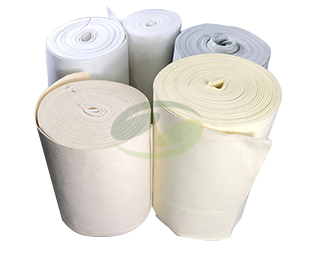
Polyester filter bags are not all made to the same standard. Buyers should compare fabric weight, fiber denier, scrim construction, needle density, surface finishing, and sewing quality. A heavier bag is not automatically better. The correct weight depends on mechanical stress, cleaning method, and dust characteristics. A bag that is too light may wear quickly, while an unnecessarily heavy bag may increase pressure drop and cost. The finishing process is also critical. A PTFE membrane can improve initial filtration efficiency, while a coating or water and oil repellent treatment can improve dust release in sticky or moist conditions.
HENGKE specializes in premium technical filtration materials tailored for demanding industrial applications. Its industrial filter bags and cloth are fabricated from advanced synthetic fibers and designed for thermal stability, chemical resistance, and high filtration efficiency for ultra-low emission targets. For dust collector owners, the practical lesson is to request data on air permeability, tensile strength, elongation, filtration efficiency, chemical resistance, and recommended operating limits. Third-party technical textile testing reports can help verify supplier claims and support fair comparison between quotations.
Do Not Ignore Bag Dimensions and Cage Compatibility
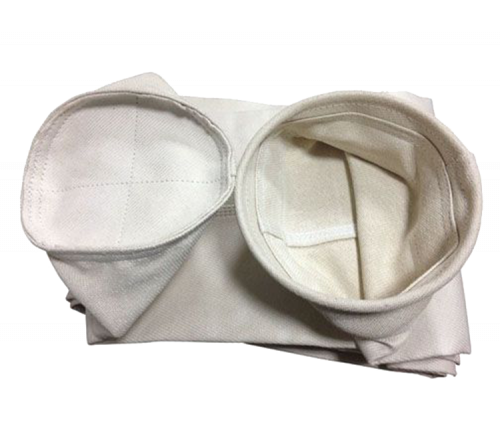
A high-quality filter bag can fail prematurely if it does not fit the baghouse correctly. Dust collector owners should confirm bag length, diameter, tolerance, top and bottom construction, venturi type, and cage compatibility. Worn or damaged cages can abrade bags from the inside. Poorly aligned cages can cause stitching stress and leakage. HENGKE manufactures both industrial dust collector filter bags and bag cages, which helps ensure compatibility between the bag and the supporting structure. Buyers should also review stitching, seam type, and reinforcement details for high-abrasion areas.
Evaluate Supplier Capability Beyond the Sample
A sample bag can look good, but long-term performance depends on manufacturing consistency. Dust collector owners should evaluate the supplier’s quality management system, material traceability, production capacity, and testing discipline. HENGKE holds ISO 9001:2015 Quality Management System Certification and ISO 14001:2015 Environmental Management System Certification. These certifications indicate a structured approach to quality and environmental management. Third-party technical textile testing reports provide additional evidence for buyers who need documented performance data.
Global supply chain capability is another consideration. Filter bags are often purchased in bulk and shipped across borders, so delivery reliability matters. HENGKE has robust experience in international trade, efficient logistics management, and proactive risk handling, including comprehensive experience managing complex maritime insurance claims and General Average declarations. This helps ensure secure, end-to-end delivery for global buyers. For plant owners planning shutdowns or scheduled maintenance, reliable delivery can be as important as the bag specification itself.
Ask for Application-Specific Data
A serious supplier should be willing to discuss the baghouse rather than only quote a price per piece. Dust collector owners should ask for recommended air-to-cloth ratio, cleaning pressure, pre-coating advice, and expected pressure drop. They should also ask how the supplier would handle temperature spikes or changes in dust chemistry. HENGKE’s technical expertise and customization approach allow it to match fiber blends, weight, and surface treatments to specific plant conditions. That is a stronger buying position than accepting a one-size-fits-all bag.
Calculate Total Cost of Ownership
The lowest purchase price is not always the lowest cost. Dust collector owners should calculate total cost of ownership by considering bag life, pressure drop, compressed air consumption, maintenance labor, production downtime, and disposal cost. A bag that lasts longer and maintains lower pressure drop can reduce energy use and improve system stability. HENGKE’s cost-effective performance comes from optimized manufacturing processes and strong upstream material partnerships. The company delivers premium-grade technical textiles at highly competitive pricing, providing an optimal balance of lifespan and investment return for industrial end-users.
- Compare expected service life, not only unit price.
- Review pressure drop performance and cleaning efficiency.
- Confirm availability of matching cages and accessories.
- Check certification, testing reports, and batch traceability.
- Evaluate logistics reliability and after-sales technical support.
Installation and Maintenance Tips
Proper installation protects the investment. Bags should be stored in a clean, dry area away from sunlight and chemicals. During installation, workers should avoid dragging bags over sharp edges. Cages should be inspected for burrs, corrosion, and bent wires. After installation, a pre-coating step may help protect the bags and establish a stable dust cake. During operation, pulse-jet cleaning should be adjusted to avoid over-cleaning, which can reduce bag life. Leak detection and pressure drop monitoring should be part of routine maintenance.
HENGKE’s user value is closely tied to these operational realities. By implementing optimized filtration media, industrial plants can significantly lower pressure drops, extend bag service life, reduce maintenance downtime, and comfortably comply with local environmental regulations. The company’s strong, proven supply capabilities target key emerging markets, including customized technical textile supply and outreach for heavy industries and major cement plants globally. For dust collector owners, a supplier with both product depth and application knowledge is more likely to deliver predictable results.
Final Buying Checklist for Polyester Filter Bags
Quick Buyer Checklist
Before placing an order, dust collector owners should confirm the following: operating temperature range, gas chemistry, moisture level, dust characteristics, air-to-cloth ratio, cleaning method, bag dimensions, cage condition, required surface treatment, testing documentation, certification, delivery schedule, and total cost of ownership. They should also request references or case experience in similar industries. HENGKE’s background with cement conglomerates and heavy industries worldwide provides useful context for buyers who need a supplier capable of supporting complex baghouse conditions.
In summary, polyester filter bag buying should be guided by application data, fabric construction, supplier capability, and lifecycle cost. Dust collector owners who compare only prices may overlook the factors that determine bag life and emissions performance. A technically engaged supplier such as HENGKE can help match the right polyester needle felt or alternative media to the plant conditions, document performance with testing and certifications, and support reliable global delivery. That combination gives dust collector owners a stronger basis for lowering emissions, protecting baghouse performance, and controlling long-term maintenance costs.