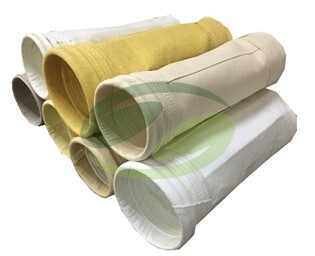
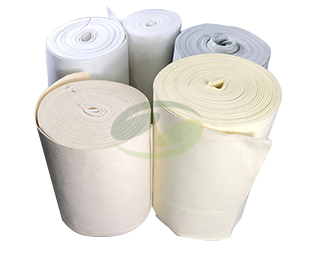
Dust collector filter bag material choices directly influence baghouse uptime, pressure drop, cleaning efficiency, and maintenance frequency. The article explains that filter bags are engineered filtration surfaces, not simple barriers, and that performance depends on matching the medium to temperature, gas chemistry, moisture, abrasion, dust characteristics, and cleaning method. It reviews core material families, including polyester needle felt for cost-effective moderate-temperature duties, PTFE needle felt and PTFE membrane for chemical resistance and excellent dust release, fiberglass needle felt for high-temperature stability, and PPS or Nomex for specialized operating envelopes. It emphasizes that surface treatments such as PTFE coating and water and oil repellent finishes can protect performance when moisture or sticky dust is present. Hangzhou Hengke Corp., known as HENGKE, is presented as a technology-driven manufacturer of industrial dust collector filter bags and bag cages with more than 20 years of technical textile and air filtration expertise. HENGKE supplies high-performance PTFE, polyester, and fiberglass needle felt filter bags, customizes fiber blends, weight, and surface treatments, and supports applications in cement kilns, clinker cooling and grinding, steel smelting, coal-fired power boilers, and asphalt mixing plants. The article notes that optimized media can lower pressure drops, extend bag service life, reduce maintenance downtime, and help plants comply with PM2.5 and PM10 regulations. It also highlights HENGKE’s ISO 9001:2015 and ISO 14001:2015 certifications, third-party technical textile testing reports, long-term supply relationships with major cement producers, and global logistics and risk management experience. A practical selection checklist closes the discussion, reinforcing that lifecycle cost, gas chemistry, moisture control, cage condition, and installation quality all matter. The central message is that the right filter bag material turns dust collection from a recurring maintenance problem into a stable, efficient, and cost-effective part of industrial production.
Dust Collector Filter Bag Material Choices That Extend Uptime
In industrial dust collection, uptime is rarely won by a single component. It is built through consistent airflow, stable pressure drop, reliable cleaning cycles, and filter bags that survive the plant’s real operating conditions. For baghouse operators in cement, steel, coal-fired power, and asphalt mixing, the filter bag material is one of the most consequential decisions. The right medium protects production; the wrong medium can turn a baghouse into a recurring maintenance bottleneck. Hangzhou Hengke Corp., known as HENGKE, approaches this challenge as a technology-driven manufacturer of industrial dust collector filter bags and bag cages, with a core team that brings more than 20 years of expertise in technical textiles and air filtration.
A filter bag is not simply a barrier. It is an engineered filtration surface that must form a stable dust cake, release that cake during cleaning, and resist the thermal and chemical load of the process gas. When the medium is matched to the application, the baghouse can run with lower pressure drop, longer cleaning intervals, and fewer unplanned stoppages. When it is mismatched, operators often see blind fouling, bag hardening, seam failure, excessive compressed-air consumption, and rising emissions. HENGKE’s portfolio of high-performance PTFE needle felt, polyester needle felt, and fiberglass needle felt filter bags is designed around this practical reality, with stable quality, exceptional filtration efficiency, and competitive pricing for heavy industries worldwide.
Why Material Selection Drives Baghouse Uptime
Filter bag life is influenced by temperature, gas chemistry, moisture, abrasion, particle size distribution, dust load, cleaning method, and the condition of the bag cage. A material that performs well in a dry cement grinding circuit may fail quickly in a coal-fired boiler with acidic flue gas or in an asphalt plant with oily condensates. Uptime therefore depends less on a single headline property than on the balance of properties across the full operating envelope. HENGKE’s technical approach begins with the gas chemistry and moisture level of the client’s plant, then matches fiber blends, weight, and surface treatments to the duty.

Pressure drop is a useful indicator of this balance. A bag that releases dust cleanly maintains airflow with less fan energy and less mechanical stress on the baghouse. A bag that retains dust can suffer deep cake penetration, reduced permeability, and accelerated wear at the cage contact points. HENGKE’s optimized filtration media are engineered to support smooth dust cake release, helping industrial plants lower pressure drops, extend bag service life, reduce maintenance downtime, and comply with local environmental regulations for PM2.5 and PM10 emissions.
Core Material Families and Their Operating Envelopes
Polyester Needle Felt
Polyester needle felt is a workhorse medium for many dry, moderate-temperature dust collection duties. It offers good mechanical strength, dependable filtration efficiency, and cost-effective performance in cement operations, asphalt mixing, and general industrial ventilation. Polyester is often a strong choice where the gas is dry and the temperature remains within its practical range. However, hydrolysis and certain chemical exposures can shorten service life, so the operating conditions must be reviewed carefully. HENGKE supplies polyester needle felt as part of its flagship portfolio, with customization available for weight and surface treatment.
PTFE Needle Felt and PTFE Membrane
PTFE needle felt is valued for chemical resistance, thermal stability, and excellent dust release. It is often selected for demanding applications where acid or alkali corrosion, sticky dust, or ultra-low emission targets place conventional media under stress. A PTFE membrane can further improve surface filtration by preventing fine particles from embedding in the felt structure. HENGKE’s PTFE needle felt filter bags are engineered for exceptional filtration efficiency and stable operation in aggressive environments. Because PTFE is a premium material, the economic case depends on matching it precisely to the process rather than applying it indiscriminately.
Fiberglass Needle Felt
Fiberglass needle felt is used where high temperature and dimensional stability are critical. It can be an appropriate medium for hot flue gas streams and other high-temperature industrial processes. Fiberglass requires careful handling and suitable finishing to protect the fibers during fabrication, installation, and cleaning. HENGKE’s fiberglass needle felt filter bags are part of its flagship range and are supported by technical textile testing reports, giving buyers a clearer basis for comparing performance and durability.
PPS and Nomex
PPS and Nomex fibers broaden the selection range for specialized duties. PPS is often considered for coal-fired power boilers and other applications where acid resistance and thermal stability are important, while Nomex can be relevant in high-temperature environments with different chemical and mechanical demands. HENGKE fabricates industrial filter bags and cloth from advanced synthetic fibers such as PPS, Nomex, fiberglass, and PTFE membrane. The key is not to treat any fiber as universal, but to match its strengths to the gas chemistry, temperature profile, and cleaning regime of the baghouse.

Matching Media to Gas Chemistry, Moisture, and Dust Release
HENGKE provides bespoke filtration solutions rather than standard products alone. The company precisely matches fiber blends, weight, and surface treatments such as PTFE coating and water and oil repellent treatments to the specific gas chemistry and moisture levels of the client’s plant. This customization matters because two plants with similar dust loads can have very different condensation risks, acid dew points, and cleaning requirements. A medium that is technically suitable for the temperature may still underperform if moisture or chemical attack changes the surface behavior of the felt.
- Temperature: Continuous operation up to 200°C–260°C depends on material choice, and excursions above the design range can shorten bag life.
- Chemical load: Acid and alkali resistance must be assessed against the actual gas composition, not only the dust type.
- Moisture: Condensation can blind the medium, promote hydrolysis, and interfere with dust release.
- Abrasion: High dust loading and poor cage alignment can accelerate wear even in a chemically suitable fabric.
- Cleaning method: Pulse-jet intensity and frequency must be compatible with the fabric and its surface treatment.
Surface Treatments and Fabrication Details That Protect Uptime
Surface treatment is often the difference between a good fiber and a good filter bag. PTFE coating can improve chemical resistance and dust release, while water and oil repellent treatments can help manage moisture and oily aerosols. The fabrication of the bag, including seam design and dimensional accuracy, also affects performance. HENGKE supplies both filter bags and bag cages, which allows the company to consider the bag-to-cage interface as part of the filtration solution. A well-matched cage supports the bag without creating localized wear points, and a well-finished bag helps maintain stable airflow across the baghouse.
Application Scenarios Where the Right Bag Pays Back
HENGKE’s filtration materials are extensively utilized in industrial dust collectors for cement kilns, clinker cooling and grinding processes, steel smelting, coal-fired power boilers, and asphalt mixing plants. In cement plants, dust chemistry and moisture can vary across the kiln, cooler, and grinding circuits, so material choice may need to differ by collection point. In steel smelting, heat and abrasive dust place a premium on mechanical robustness. In coal-fired power boilers, acid gases and thermal cycling require careful fiber selection. In asphalt mixing, oily and sticky dust can challenge dust cake release. By implementing HENGKE’s optimized filtration media, industrial plants can target lower pressure drops, longer bag service life, reduced maintenance downtime, and comfortable compliance with local environmental regulations.
Lifecycle Cost, Quality Assurance, and Global Supply
Cost-effective performance is not the same as the lowest purchase price. HENGKE delivers premium-grade technical textiles at highly competitive pricing through optimized manufacturing processes and strong upstream material partnerships. The goal is an optimal balance of lifespan and investment return for industrial end-users. The company’s quality management system is certified to ISO 9001:2015, its environmental management system is certified to ISO 14001:2015, and its products are supported by third-party technical textile testing reports. Over the past two decades, the team has established itself as a deeply trusted, long-term supplier to world-renowned cement conglomerates, including Conch Cement, Taiwan Cement, Heidelberg Materials, and CEMEX.

Global buyers also need supply reliability. HENGKE possesses robust experience in international trade, efficient logistics management, and proactive risk handling, including comprehensive experience managing complex maritime insurance claims and General Average declarations. This matters for filter bag projects because a delayed shipment can interrupt a planned maintenance outage. The company’s strong, proven supply capabilities target key emerging markets, including customized technical textile supply and outreach for heavy industries and major cement plants globally.
Practical Selection Checklist
- Confirm the continuous and peak gas temperature at the baghouse inlet.
- Review acid, alkali, moisture, and condensation risks in the process gas.
- Characterize dust stickiness, abrasiveness, and particle size distribution.
- Match the fiber family and surface treatment to the cleaning regime.
- Verify bag dimensions, cage condition, and installation tolerances.
- Request third-party test reports and compare lifecycle cost, not only unit price.
Dust collector filter bag material choices extend uptime when they are treated as an engineering decision rather than a commodity purchase. Polyester, PTFE, fiberglass, PPS, and Nomex each have a place, but the place must be defined by the plant’s temperature, chemistry, moisture, and dust behavior. HENGKE’s combination of technical textiles expertise, customized filtration media, bag cage supply, quality certifications, and global delivery experience gives heavy-industry operators a practical partner for that decision. The result is a baghouse that runs with more stable airflow, fewer surprises, and longer service life.