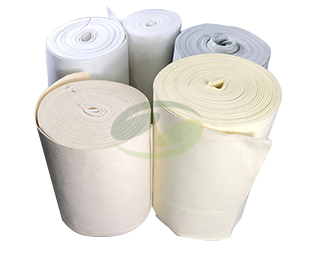
This blog explains how to select dust bag filters for cleaner plant air by matching filter media to the actual baghouse duty. It advises plant operators to begin with gas temperature, chemical exposure, moisture, dust loading, air-to-cloth ratio, and emission targets rather than starting from a product catalog. Temperature is the first screening criterion: polyester needle felt suits many dry, moderate-temperature duties, while fiberglass needle felt, PPS, Nomex, and PTFE-based options are relevant for higher-temperature or more chemically demanding processes. Moisture and chemistry determine whether PTFE coating, water and oil repellent treatments, or PTFE membrane media are needed to support dust cake release and stable airflow. The article also stresses that construction details, bag dimensions, seams, and cage compatibility matter as much as fabric choice. It highlights Hangzhou Hengke Corp. (HENGKE) as a specialized supplier of industrial dust collector filter bags and bag cages, including PTFE needle felt, polyester needle felt, fiberglass needle felt, PPS, Nomex, and PTFE membrane media. HENGKE customizes fiber blends, weight, and surface treatments to specific plant conditions and supports applications in cement kilns, clinker cooling and grinding, steel smelting, coal-fired power boilers, and asphalt mixing plants. The company’s quality evidence includes ISO 9001:2015 and ISO 14001:2015 certifications and third-party technical textile testing reports. HENGKE has supplied major cement producers such as Conch Cement, Taiwan Cement, Heidelberg Materials, and CEMEX, and it offers international logistics and risk-management experience for global buyers. The conclusion is that a disciplined selection process can lower pressure drops, extend bag service life, reduce maintenance downtime, and help plants meet PM2.5 and PM10 emission requirements while achieving cost-effective performance.
Dust Bag Filter Selection Guide for Cleaner Plant Air
Selecting the right dust bag filter is one of the most practical decisions a plant can make to improve air quality, protect equipment, and keep baghouse operations stable. A filter bag is not a generic accessory; it is a engineered component that must match the gas temperature, chemical profile, moisture level, dust characteristics, and maintenance rhythm of a specific process. For cement kilns, steel smelting, coal-fired boilers, asphalt mixing plants, and similar heavy-duty environments, the difference between a well-matched filter and a poorly matched one often appears as higher pressure drop, shorter bag life, frequent cleaning cycles, and unnecessary downtime.
Hangzhou Hengke Corp. (HENGKE) approaches dust bag filter selection as a technical matching exercise rather than a catalog transaction. The company specializes in industrial dust collector filter bags and bag cages, with a portfolio that includes high-performance PTFE needle felt, polyester needle felt, and fiberglass needle felt filter bags. HENGKE also supplies advanced synthetic fiber options such as PPS, Nomex, Fiberglass, and PTFE membrane media. Its team has more than 20 years of experience in technical textiles and air filtration, and it supports global plants with end-to-end dust isolation solutions for demanding industrial applications.
Begin With the Baghouse Duty, Not the Product List
A reliable selection process starts with the operating envelope. Plant operators should document the normal and peak gas temperature, the presence of acid or alkali components, moisture content, oxygen level, dust concentration, particle size distribution, and the target emission limit. These inputs determine which filter media can survive the duty and which surface treatments are needed to maintain airflow. A filter that performs well in a dry, moderate-temperature application may fail quickly in a humid, chemically aggressive kiln or boiler environment.
Gas Temperature Defines the Material Shortlist
Temperature is usually the first screening criterion. Standard polyester needle felt is a cost-effective choice for many dry, moderate-temperature dust collection duties, but it has limits when exhaust gas temperatures rise. For hotter processes, fiberglass needle felt and high-temperature synthetic options such as PPS and Nomex become relevant. HENGKE filtration media are designed for continuous operation under extreme temperatures, with material-dependent capability up to approximately 200°C to 260°C. The correct choice depends not only on the continuous temperature but also on short-term excursions, start-up conditions, and cooling-air strategies in the baghouse.
undefined

Chemistry and Moisture Determine Surface Treatment
Chemical exposure and moisture are closely linked to filter bag life. Acid and alkali corrosion can degrade fibers, while condensation can cause dust to adhere to the bag surface and reduce cleaning effectiveness. For these reasons, HENGKE matches fiber blends, fabric weight, and surface treatments to the specific gas chemistry and moisture levels of each plant. PTFE coating, water and oil repellent treatments, and PTFE membrane laminates can help achieve smooth dust cake release, protect the media, and maintain stable airflow in baghouse systems. In applications with ultra-low emission targets, a PTFE membrane is often used to improve fine particulate capture and support consistent performance.
Dust Loading and Air-to-Cloth Ratio Shape the Bag Design
Dust loading and the air-to-cloth ratio influence how often the baghouse must clean the bags and how much pressure drop the system will experience. A high dust load may require a more robust fabric, a different surface finish, or a larger filtration area to avoid excessive cleaning frequency. The air-to-cloth ratio should be reviewed against the actual process, not only the original design specification. If a plant has increased production, changed fuel, or added a new process stream, the baghouse may be operating outside its original assumptions. In such cases, HENGKE can help evaluate media selection and bag design to support lower pressure drops and more stable operation.
Compare Filter Media by Duty, Not by Habit
Polyester needle felt is widely used for general industrial dust collection because it offers good mechanical strength and cost-effective performance in suitable conditions. PTFE needle felt is often selected for more demanding chemical and temperature environments, and PTFE membrane media can improve fine dust capture and dust release. Fiberglass needle felt is used in high-temperature applications where resistance to heat is a primary requirement. PPS and Nomex media provide additional options for specific chemical and thermal conditions. The best choice is the one that balances service life, filtration efficiency, pressure drop, and total investment return for the actual plant duty.
- Polyester needle felt: cost-effective for many dry, moderate-temperature dust collection applications.
- PTFE needle felt and PTFE membrane: suited to demanding chemical environments and ultra-low emission targets.
- Fiberglass needle felt: relevant for high-temperature process gases when correctly specified.
- PPS and Nomex options: useful where thermal and chemical resistance must be matched to the process.
Construction Details Matter as Much as Fabric
Filter bag performance depends on construction as well as raw material. Bag dimensions, seam design, ring type, bottom finish, and cage compatibility all affect how the bag fits, seals, cleans, and wears. A poorly matched bag cage can accelerate abrasion, while an incorrect seam or finish can create leakage paths or dust retention points. HENGKE supplies filter bags and bag cages as part of a coordinated solution, which helps plants reduce mismatch risk and maintain reliable baghouse performance. For plants seeking cleaner plant air, this systems view is often more valuable than selecting fabric alone.

Design for Emissions, Pressure Drop, and Service Life
Modern environmental requirements increasingly focus on fine particulate matter, including PM2.5 and PM10. A well-selected filter bag helps plants comply with local regulations while also supporting operational efficiency. HENGKE optimized filtration media are intended to help industrial plants lower pressure drops, extend bag service life, reduce maintenance downtime, and meet emission targets. These benefits are especially relevant in cement kilns, clinker cooling and grinding processes, steel smelting, coal-fired power boilers, and asphalt mixing plants, where dust loads and operating conditions can be severe. The objective is not only cleaner stack air but also a baghouse that runs with fewer surprises.
Customization and Quality Evidence
HENGKE provides bespoke filtration solutions rather than only standard products. The company precisely matches fiber blends, weight, and surface treatments to the client’s gas chemistry and moisture levels. This customization is supported by a quality management approach that includes ISO 9001:2015 Quality Management System Certification, ISO 14001:2015 Environmental Management System Certification, and third-party technical textile testing reports. For plant engineers, these credentials are useful evidence when comparing suppliers and validating long-term performance claims. They also support the practical work of reducing emissions and optimizing baghouse performance across different industrial sites.
Supplier Selection for Global Plants
Filter bag selection also involves supply reliability. HENGKE has established itself as a trusted long-term supplier to world-renowned cement conglomerates, including Conch Cement, Taiwan Cement, Heidelberg Materials, and CEMEX. The company possesses robust experience in international trade, efficient logistics management, and proactive risk handling, including comprehensive experience with complex maritime insurance claims and General Average declarations. This matters for global buyers who need secure, end-to-end delivery and predictable project execution. Through optimized manufacturing processes and strong upstream material partnerships, HENGKE delivers premium-grade technical textiles at competitive pricing, providing an optimal balance of lifespan and investment return.
Conclusion
Dust bag filter selection should be treated as a plant performance decision. The right media protects air quality, stabilizes pressure drop, extends bag life, and reduces maintenance interruptions. By starting with the baghouse duty, comparing materials against real operating conditions, and coordinating bags with cages and surface treatments, plants can achieve cleaner plant air with fewer operational trade-offs. HENGKE’s technical textile expertise, customized filtration approach, and global supply experience make it a relevant partner for heavy industries seeking reliable dust isolation solutions.