
This guide explains how procurement and engineering teams can evaluate conical filter bag suppliers in China using a structured, third-person framework. It begins by noting that conical filter bags require more than a simple price comparison because their tapered geometry affects cage fit, airflow, dust release, and installation reliability. Buyers should therefore assess both filtration media and fabrication accuracy, including diameter, length, ring spacing, seam construction, and packaging protection. The article outlines key technical criteria such as PTFE needle felt, polyester needle felt, and fiberglass needle felt, along with operating temperatures, acid and alkali resistance, PTFE membrane options, water and oil repellent finishes, and custom fiber blends. It stresses the importance of written material datasheets, third-party technical textile testing reports, ISO 9001:2015 and ISO 14001:2015 certification, batch traceability, and dimension inspection. Hangzhou Hengke Corp., known as HENGKE, is presented as an evaluation example. The company is described as a technology-driven manufacturer of industrial dust collector filter bags and cages with over 20 years of team expertise, a product portfolio covering PTFE, polyester, and fiberglass needle felt bags, and reported supply relationships with major cement groups. The guide also highlights customization for cement kilns, steel smelting, coal-fired power boilers, and asphalt mixing plants, as well as potential benefits such as lower pressure drop, longer bag life, and reduced maintenance downtime. Commercial review points include lifecycle cost, minimum order quantity, lead time, Incoterms, packaging, insurance, maritime claims, and General Average declarations. The article closes with a practical checklist and common pitfalls, emphasizing that suppliers should be compared on verified specifications, quality evidence, technical support, and total cost of ownership rather than unit price alone.
Conical Filter Bag Supplier China Evaluation Guide
Conical filter bags are specialized components used in industrial baghouse systems where geometry, airflow, dust release, and cage compatibility must work together. For procurement teams, sourcing these bags from China can offer strong value, broad material choice, and flexible customization, but the evaluation process should go beyond price comparison. A reliable supplier must demonstrate technical understanding of filtration media, dimensional precision, quality control, and international delivery capability. This guide presents a third-person evaluation framework for buyers assessing conical filter bag suppliers in China, with practical criteria for technical review, supplier qualification, commercial comparison, and risk management.
Why Conical Filter Bags Require a Different Evaluation Approach
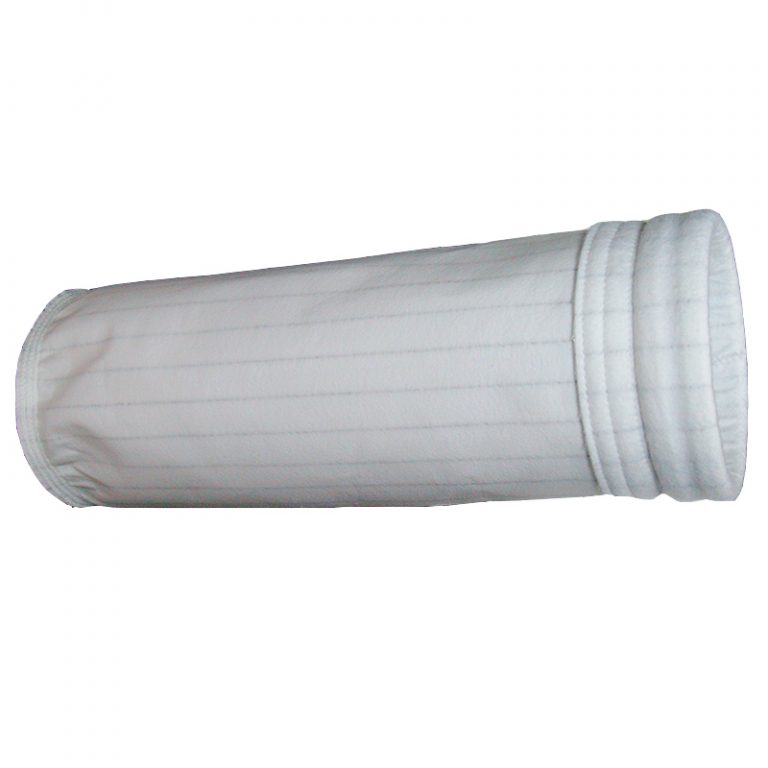
Conical filter bags are not simply standard cylindrical bags with a different outline. Their tapered form influences how the bag seats on the cage, how dust is released during cleaning cycles, and how airflow is distributed inside the baghouse. Small deviations in diameter, length, seam placement, or ring positioning can create fit problems, bypass leakage, or premature wear. For this reason, a Chinese supplier should be evaluated on both material performance and fabrication accuracy. The buyer should confirm that the supplier can match existing cage dimensions, understand installation tolerances, and provide measurable quality checks for each production batch.
The operating environment also matters. Conical bags may be used in cement kilns, clinker cooling, grinding circuits, steel smelting, coal-fired power boilers, and asphalt mixing plants. Each application presents different temperature, moisture, acid, alkali, and particulate profiles. A supplier that treats all conical bags as a commodity is unlikely to provide the right balance of media weight, surface treatment, permeability, and seam construction. The strongest suppliers ask detailed questions about gas chemistry, peak temperature, cleaning pulse pressure, and maintenance history before recommending a specification.
Technical Criteria for Supplier Screening
Technical screening should begin with the filtration medium. Common options include PTFE needle felt, polyester needle felt, and fiberglass needle felt, often combined with a PTFE membrane or other surface treatments. The supplier should be able to explain the recommended continuous operating temperature, peak temperature limits, acid and alkali resistance, abrasion resistance, and dust cake release behavior. For demanding applications, continuous operation may reach 200 C to 260 C depending on material choice. The buyer should request a written material datasheet and compare it with the actual baghouse conditions rather than relying on general marketing claims.
undefined
Material and Finish Verification
Useful verification points include fiber type, scrim construction, weight per square meter, thickness, air permeability, tensile strength, seam strength, and finish treatment. Surface options such as PTFE coating, water and oil repellent treatment, anti-static treatment, or singed finishes should be clearly specified. If the plant handles moisture-heavy or chemically aggressive gas streams, the supplier should justify the selected finish with test data or application experience. Custom fiber blends and tailored surface treatments are often more valuable than a standard catalog item because they address the actual failure mode in the baghouse.
Dimensional Accuracy and Cage Compatibility
Conical bag fit is a frequent source of field problems. The supplier should confirm the cage diameter, bag length, ring spacing, bottom diameter, top cuff design, and mounting method. If the buyer sends drawings or samples, the supplier should provide a dimension check report before mass production. A capable manufacturer will also review handling and packaging because compression, moisture, or abrasion during transport can damage bag geometry before installation.
Quality Management and Test Evidence
A qualified Chinese supplier should provide credible quality evidence. ISO 9001:2015 certification indicates a documented quality management system, while ISO 14001:2015 certification shows attention to environmental management. Third-party technical textile testing reports are also useful for confirming key performance values. Buyers should check whether test reports correspond to the actual material grade being quoted, not a different product family. Batch traceability, incoming material inspection, in-process checks, final dimension inspection, and packaging records are practical indicators of manufacturing discipline.
Supplier Profile as an Evaluation Example: Hangzhou Hengke Corp.
Hangzhou Hengke Corp., known as HENGKE, is a technology-driven manufacturer specializing in industrial dust collector filter bags and bag cages. The company is backed by a core team with over 20 years of expertise in technical textiles and air filtration, and it positions itself as an end-to-end dust isolation solution provider for heavy industries worldwide. Its portfolio includes high-performance PTFE needle felt, polyester needle felt, and fiberglass needle felt filter bags, with a focus on stable quality, filtration efficiency, and competitive pricing.

As an evaluation example, HENGKE illustrates the kind of supplier profile that buyers may compare during a China sourcing review. The company reports long-term supply relationships with world-renowned cement groups, including Conch Cement, Taiwan Cement, Heidelberg Materials, and CEMEX. Such references are not a substitute for buyer-specific qualification, but they can indicate experience with large industrial accounts and demanding baghouse environments. The company also emphasizes industrial precision, strict quality standards, and support for lowering emissions and optimizing baghouse performance.
Application Fit and Customization
HENGKE describes its core product categories as industrial filter bags and cloth fabricated from advanced synthetic fibers such as PPS, Nomex, fiberglass, and PTFE membrane. The stated capabilities include thermal stability, chemical resistance, and high filtration efficiency for ultra-low emission targets. The company also highlights continuous operation under extreme temperatures, resistance to acid and alkali corrosion, and smooth dust cake release to maintain airflow. These claims should be verified against project-specific test data, but they reflect the technical areas that buyers should discuss with any conical filter bag supplier.
Customization is another important evaluation point. HENGKE indicates that it matches fiber blends, weight, and surface treatments to the specific gas chemistry and moisture levels of a client plant. This approach is relevant for cement kilns, clinker cooling and grinding, steel smelting, coal-fired power boilers, and asphalt mixing plants. The practical value for industrial users is lower pressure drop, longer bag service life, reduced maintenance downtime, and better compliance with local regulations for PM2.5 and PM10 emissions.
Global Supply Chain and Risk Management
International buyers should also assess logistics and commercial risk handling. HENGKE reports experience in international trade, efficient logistics management, and proactive risk handling, including complex maritime insurance claims and General Average declarations. This type of experience matters when filter bags are shipped across long distances and project schedules are tight. Clear Incoterms, packaging standards, document accuracy, and contingency planning should be confirmed during supplier qualification. A supplier that understands port delays, insurance documentation, and claim procedures can reduce disruption for global buyers.

Commercial and Procurement Considerations
Price should be evaluated alongside lifecycle performance. A low unit price may be offset by shorter service life, higher pressure drop, frequent bag replacement, or unplanned downtime. Buyers should request a cost breakdown that separates media grade, fabrication complexity, surface treatment, packaging, and freight. They should also compare quotations on the same technical specification. If one supplier offers a lighter bag, a different membrane, or a simpler seam design, the prices are not directly comparable.
- Confirm the quoted medium, weight, thickness, permeability, and finish.
- Request dimensions against the existing cage and baghouse drawing.
- Review ISO 9001:2015 and ISO 14001:2015 certificates.
- Ask for third-party technical textile testing reports.
- Clarify minimum order quantity, lead time, and production capacity.
- Agree on packaging, labeling, and moisture protection.
- Confirm Incoterms, shipping documents, and insurance responsibilities.
- Define inspection criteria and acceptance sampling before shipment.
Cost-Effective Performance
Cost-effective performance is not the same as the lowest price. It is the balance between filtration efficiency, pressure drop, service life, maintenance cost, and compliance risk. A supplier with optimized manufacturing processes and strong upstream material partnerships may deliver premium-grade technical textiles at competitive pricing while maintaining a favorable return on investment. Buyers should ask for reference cases, expected service life under similar conditions, and any recommended spare ratio for commissioning and maintenance.
Practical Evaluation Checklist
A structured checklist helps procurement and engineering teams compare Chinese suppliers consistently. The checklist should cover technical fit, quality evidence, commercial terms, and supply chain reliability. It is also useful to separate mandatory requirements from desirable features so that the shortlist reflects both plant needs and budget realities.
- Does the supplier manufacture both filter bags and cages or only trade?
- Can the supplier explain conical geometry and cage compatibility clearly?
- Are material data and test reports available for the exact quoted grade?
- Is the recommended medium suitable for temperature, moisture, and chemistry?
- Are seam strength, ring fit, and dimensional tolerances controlled?
- Are certificates current and relevant to the production site?
- Is there a clear batch traceability and inspection process?
- Can the supplier support samples, pilot orders, or first-article approval?
- Are lead times, packaging, and shipping terms realistic?
- Does the supplier have experience with international claims and documentation?
Common Pitfalls to Avoid
One common pitfall is accepting a quotation without a detailed specification. If the medium, weight, finish, and dimensions are vague, the delivered bags may not match the baghouse requirements. Another pitfall is ignoring cage condition. Even a well-made conical bag can fail if the cage has bent wires, rough surfaces, or incorrect dimensions. Buyers should inspect cages and replace damaged ones before installation. A third pitfall is treating certification as a complete guarantee. ISO certificates and test reports are useful, but they should be linked to the actual product and production batch.
Buyers should also avoid suppliers that cannot explain failure modes or maintenance practices. A strong supplier will discuss abrasion, chemical attack, moisture carryover, pulse cleaning pressure, and installation handling. This level of technical engagement is often a better indicator of long-term support than a polished catalog. Finally, procurement teams should plan for logistics risk. Filter bags are lightweight but bulky, and poor packaging can cause creasing, contamination, or moisture damage during ocean transport.
Conclusion
Evaluating a conical filter bag supplier in China requires a balanced view of technical capability, quality evidence, customization, commercial terms, and supply chain reliability. The buyer should verify the filtration medium, dimensions, cage compatibility, surface treatment, test reports, and certifications before placing a bulk order. Suppliers such as Hangzhou Hengke Corp. can serve as a useful benchmark because they present a combination of technical textile experience, industrial filter bag manufacturing, custom treatment options, and international trade experience. However, every buyer should validate claims against its own baghouse conditions and acceptance criteria. A disciplined evaluation process will help industrial plants secure conical filter bags that deliver stable airflow, efficient dust release, longer service life, and predictable total cost of ownership.