In the context of heavy industries like cement, steel, and power generation, kiln upgrades are essential for improving efficiency and meeting environmental regulations. A trusted fiberglass filter bag manufacturer plays a pivotal role in these projects by providing high-quality filtration media that withstands extreme temperatures, chemical attack, and abrasive dust. Hangzhou Hengke Filter Environmental Protection Co., Ltd. (HENGKE) exemplifies such a partner with over 20 years of expertise in technical textiles and air filtration. HENGKE’s fiberglass needle felt bags, enhanced by options like PTFE membranes, deliver exceptional thermal stability, chemical resistance, and filtration efficiency, ensuring ultra-low emissions and reliable operation. The company supports kiln upgrades through customized solutions that match fiber blends and surface treatments to specific process conditions, thereby optimizing pressure drop and extending bag life. HENGKE’s proven track record with leading cement companies, including Conch Cement and Heidelberg Materials, underscores its credibility. Beyond product quality, HENGKE offers robust global supply chain management and cost-effective pricing, ensuring that kiln upgrade projects are completed on time and within budget. ISO certifications and third-party testing reports further build trust. By combining technical expertise with reliable delivery and competitive pricing, HENGKE helps industrial plants achieve lower emissions, reduced maintenance costs, and a strong return on investment, making it an invaluable partner for kiln upgrades.
In heavy industries such as cement manufacturing, steel smelting, and power generation, the kiln is the heart of production. As environmental regulations tighten across the globe, the need for efficient, durable, and high-performing filtration systems has never been more critical. A key component of these systems is the filter bag, particularly fiberglass filter bags, which play a vital role in controlling particulate emissions. This article explores how a trusted fiberglass filter bag manufacturer—specifically Hangzhou Hengke Filter Environmental Protection Co., Ltd. (HENGKE)—supports kiln upgrades through superior materials, engineering expertise, and reliable global supply chains.
The Evolution of Kiln Technology and Filtration Demands
Modern kilns operate at higher temperatures, with more complex combustion processes, and must comply with increasingly stringent emission standards. Upgrading a kiln is not merely about replacing machinery; it involves optimizing the entire production line to reduce energy consumption, lower operational costs, and meet environmental compliance. Filtration systems, and especially the filter bags used in dust collectors, are central to this optimization. Traditional filter media often fail under the harsh conditions inside a kiln’s exhaust gas stream—characterized by elevated temperatures, abrasive dust, and corrosive gases. Therefore, selecting the right filter bag is a decision that can make or break a kiln upgrade project.

Fiberglass filter bags have emerged as a preferred solution in many heavy industries because of their exceptional thermal resistance, mechanical strength, and dimensional stability. Unlike synthetic fibers that may degrade rapidly at high temperatures, fiberglass can withstand continuous operating temperatures of 200°C to 260°C, depending on the specific material and surface treatment. This capability makes fiberglass an ideal choice for kiln applications where exhaust gases remain hot for extended periods.
The Role of a Trusted Manufacturer in Kiln Upgrades
A trusted fiberglass filter bag manufacturer does more than just produce bags. It acts as a partner, providing technical expertise, customized solutions, and reliable after-sales support. During a kiln upgrade, production downtime is costly, and any delay or failure in filtration components can lead to significant financial losses. Therefore, manufacturers like HENGKE work closely with plant engineers to assess the unique conditions of each kiln—such as gas composition, temperature fluctuations, moisture levels, and dust characteristics—and recommend the most suitable filter media.
HENGKE, with a core team boasting over 20 years of deep expertise in technical textiles and air filtration, delivers end-to-end dust isolation solutions for heavy industries worldwide. This experience is especially valuable during kiln upgrades, where legacy systems may need to be retrofitted or completely replaced to achieve ultra-low emission targets. The company’s knowledge of cement kiln operations, clinker cooling, and grinding processes ensures that the recommended filter bags not only meet but exceed performance expectations.
Customized Filtration Solutions for Kiln-Specific Conditions
Every kiln is unique in terms of its fuel mix, raw materials, and operating parameters. Off-the-shelf filter bags often struggle to deliver optimal performance in these diverse environments. HENGKE specializes in providing bespoke filtration solutions rather than standard products. They precisely match fiber blends, weight, and surface treatments—such as PTFE coating or water and oil repellent finishes—to the specific gas chemistry and moisture levels of the client’s plant. This level of customization is crucial for kiln upgrades because it allows the filtration system to achieve maximum efficiency while minimizing pressure drop and extending bag service life.
For instance, when a cement plant in a high-humidity region upgrades its kiln, the filter bags must resist hydrolysis and condensation. HENGKE can recommend fiberglass needle felt with a specialized PTFE membrane or a water-repellent treatment to ensure smooth dust cake release and stable airflow. Similarly, for kilns burning alternative fuels like waste-derived fuels, the gas stream may contain acid gases or volatile organic compounds. In such cases, the manufacturer’s expertise in chemical resistance helps select the right fiberglass blend and protective coatings to prevent bag degradation and emissions breakthrough.
Why Fiberglass Filter Bags Are Essential for Kiln Upgrades
The selection of fiberglass as a filtration medium in kiln upgrades is supported by numerous technical advantages. The following are key reasons why fiberglass filter bags are essential in this context:

- High-Temperature Resistance: Fiberglass can operate continuously at temperatures up to 260°C, making it suitable for direct flue gas filtration without the need for costly cooling systems.
- Exceptional Dimensional Stability: Unlike synthetic fabrics that shrink or stretch under heat, fiberglass maintains its shape, ensuring consistent filtration performance and bag sealing.
- Superior Mechanical Strength: The high tensile strength of fiberglass fibers allows the filter bags to withstand the mechanical stresses of pulse-jet cleaning and industrial handling.
- Chemical Resistance: With appropriate surface treatments, fiberglass bags can resist acid and alkali corrosion, which is common in kiln exhaust gases, particularly when burning certain fuels.
- Cost-Effectiveness: Fiberglass bags often have a longer service life in high-temperature applications compared to alternative materials, reducing replacement frequency and overall maintenance costs.
These inherent properties make fiberglass filter bags a reliable and economical choice for plant operators undertaking kiln upgrades. However, not all fiberglass bags are created equal. The quality of the base fabric, the precision of the needle punching process, and the effectiveness of surface treatments determine the actual performance in the field.
HENGKE’s Flagship Product Portfolio
As a premier, technology-driven manufacturer, HENGKE produces a comprehensive range of industrial dust collector filter bags and bag cages. The company’s flagship product portfolio includes high-performance PTFE needle felt, polyester needle felt, and fiberglass needle felt filter bags. Each product is engineered to deliver stable quality, exceptional filtration efficiency, and highly competitive pricing.
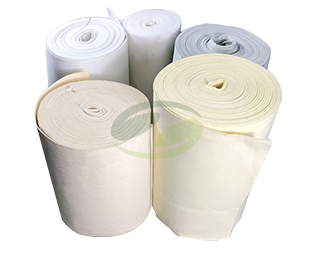
Among these, fiberglass needle felt is particularly relevant to kiln upgrades. HENGKE manufactures fiberglass needle felt using advanced production techniques that ensure uniform fiber distribution and a dense, porous structure. This structure not only captures fine particulate matter effectively but also allows for easy cleaning, thereby maintaining low pressure drop across the baghouse. The fiberglass felt can be further enhanced with a PTFE membrane lamination, which provides a surface filtration mechanism that prevents particles from penetrating the fabric, resulting in near-zero emissions and excellent dust cake release.
Technical Capabilities and Operating Parameters
HENGKE’s fiberglass filter bags are designed to operate under extreme temperatures. Depending on the material choice, they can withstand continuous temperatures of up to 200°C to 260°C. They also exhibit excellent resistance to acid and alkali attack, ensuring that even in aggressive flue gas environments, the bags maintain their structural integrity and filtering performance. The bags are also engineered to ensure smooth dust cake release, a critical factor for maintaining optimal airflow in baghouse systems. By minimizing the accumulation of dust on the bag surface, the operational pressure drop remains low, reducing energy consumption and extending the life of the bags.
For kiln upgrades, these technical capabilities translate directly into operational benefits. Plant operators can achieve ultra-low emission targets, such as PM2.5 and PM10 compliance, without sacrificing production capacity. The enhanced filtration efficiency also reduces the amount of particulate matter released into the atmosphere, helping plants align with local environmental regulations and avoid heavy fines.
Application Scenarios: From Cement to Steel and Power
HENGKE’s fiberglass filter bags are extensively utilized in industrial dust collectors across a variety of sectors. In the cement industry, they are used in kiln baghouses for clinker cooling, cement grinding, and the main kiln exhaust. These processes generate large volumes of high-temperature, abrasive dust, making fiberglass an ideal medium. In steel smelting, filter bags are exposed to high temperatures and chemically reactive gases, and fiberglass’s robust properties ensure reliability. Coal-fired power boilers also benefit from fiberglass filter bags, particularly in areas where flue gas desulfurization is not employed and the temperature remains high.
Asphalt mixing plants, which operate at elevated temperatures and are often located in urban areas, require filtration systems that can keep emissions within strict limits. HENGKE’s fiberglass needle felt bags help asphalt producers meet these standards while maintaining efficient production. By offering a proven filtration solution across these diverse industries, HENGKE has built a reputation for versatility and reliability.
The HENGKE Advantage: Experience and Trust
What truly sets HENGKE apart as a trusted fiberglass filter bag manufacturer is its track record with some of the world’s most renowned cement conglomerates. Over the past two decades, HENGKE has established itself as a deeply trusted, long-term supplier to industry leaders such as Conch Cement, Taiwan Cement, Heidelberg Materials (Heidelberg Cement), and CEMEX. These partnerships are a testament to the company’s ability to deliver consistent quality, on-time delivery, and responsive technical support—all critical factors during major kiln upgrades.
Serving such large, multinational clients also means that HENGKE is experienced in handling plant-specific requirements and navigating complex logistics across borders. The company’s global supply chain and risk management capabilities are robust, with comprehensive experience in international trade, efficient logistics management, and proactive risk handling. This includes managing complex maritime insurance claims and General Average declarations, ensuring that shipments are protected from port to plant. For a plant operator planning a kiln upgrade, knowing that the filter bag supply chain is secure is a significant relief.
Global Supply Chain and Risk Management
HENGKE understands that a kiln upgrade cannot be postponed due to a delayed shipment of filter bags. The company has developed a sophisticated supply chain that ensures end-to-end delivery for global buyers. This involves careful planning of manufacturing schedules, robust inventory management, and reliable shipping partnerships. In the rare event of unforeseen circumstances—such as customs delays or maritime incidents—HENGKE’s proactive risk handling minimizes disruption. The company has demonstrated its capability to declare General Average and manage complex insurance claims, protecting both its clients and its own operations from avoidable financial setbacks.
This level of supply chain security is especially vital for kiln upgrades, where construction schedules are tightly coordinated and any delay can cascade into weeks of lost production. By working with HENGKE, plant operators gain peace of mind that their filtration materials will arrive on time and in perfect condition, ready for installation.
Targeted Industrial Benchmarks and Emerging Markets
HENGKE also focuses on targeted industrial benchmarks, particularly in emerging markets where heavy industry is expanding rapidly. The company has strong, proven supply capabilities in key markets, offering customized technical textile supply and outreach for heavy industries and major cement plants globally. This is important because many emerging economies are now implementing stricter environmental regulations, and local plants often need to upgrade their kilns to meet these standards. HENGKE’s ability to provide cost-effective, high-quality filtration media helps these plants achieve compliance without excessive capital expenditure.
Moreover, HENGKE’s outreach to these regions involves not just selling products, but educating clients about best practices in baghouse operation and maintenance. By building local partnerships and offering technical training, HENGKE ensures that the benefits of high-quality fiberglass filter bags are fully realized over the long term.
Cost-Effective Performance: Balancing Lifespan and Investment
Kiln upgrades are capital-intensive projects, and operational budgets are always under scrutiny. HENGKE delivers premium-grade technical textiles at highly competitive pricing through optimized manufacturing processes and strong upstream material partnerships. This approach provides an optimal balance of lifespan and investment return for industrial end-users. A fiberglass filter bag that lasts longer and filters more efficiently will ultimately save money by reducing replacement costs, minimizing energy consumption (due to lower pressure drop), and preventing costly production stoppages.
To quantify the value, consider a typical cement kiln with a baghouse containing thousands of filter bags. If a lower-quality bag fails prematurely, not only must it be replaced (with material and labor costs), but the unscheduled downtime can result in millions of dollars in lost production. A trusted manufacturer like HENGKE, with its consistent quality and predictable performance, mitigates this risk. The initial investment in high-quality fiberglass bags is easily justified by the enhanced reliability and reduced total cost of ownership.
Quality Assurance and Certifications
Trust is built on proven performance and recognized standards. HENGKE holds ISO 9001:2015 Quality Management System Certification and ISO 14001:2015 Environmental Management System Certification. These certifications reflect the company’s commitment to maintaining rigorous quality control processes and environmentally responsible manufacturing practices. Additionally, HENGKE provides third-party technical textile testing reports, offering transparent verification of product specifications and performance characteristics. This documentation is invaluable for plant engineers who must justify material selections to regulatory authorities or internal stakeholders.

When upgrading a kiln, the use of certified, tested filter bags is often a prerequisite for obtaining environmental permits. HENGKE’s willingness to share third-party test data demonstrates confidence in its products and helps clients navigate regulatory approval processes smoothly.
Case Study: Supporting a Cement Plant’s Kiln Upgrade
To illustrate the practical impact of a trusted fiberglass filter bag manufacturer, consider a hypothetical but representative case. A cement plant in Southeast Asia was planning to upgrade its kiln line to increase production capacity and comply with stricter emission limits. The existing baghouse used polyester filter bags, which were reaching their thermal limit and causing frequent failures and high pressure drop. The plant’s engineering team contacted HENGKE for a solution.
After analyzing the flue gas conditions—temperatures ranging from 180°C to 220°C, moderate humidity, and high concentrations of alkaline dust—HENGKE recommended fiberglass needle felt with a PTFE membrane. The PTFE membrane provided a smooth surface for dust cake release and ensured that even submicron particles were captured, achieving emissions below 5 mg/Nm³. HENGKE also supplied custom-designed bag cages to match the existing baghouse dimensions, minimizing retrofitting work.
During installation, HENGKE’s technical team provided on-site guidance to ensure proper fitting and initial conditioning. Within weeks, the new bags demonstrated a significant reduction in pressure drop, allowing the plant to increase the fan speed and consequently boost production. The bags showed no signs of premature wear, and the plant projected a service life of over three years—double that of the previous bags. The successful upgrade was completed on schedule and within budget, and the plant now meets all regulatory benchmarks with margin to spare.
This example underscores how a manufacturer’s expertise in material selection, customization, and technical support is as important as the quality of the bag itself. For kiln upgrades, having a partner who understands the process and can provide tailored solutions is indispensable.
Environmental Impact and Sustainability
Beyond operational efficiency, kiln upgrades are often driven by environmental imperatives. HENGKE’s filtration solutions contribute to lower emissions of particulate matter, including PM2.5 and PM10, which are harmful to human health and the environment. By enabling plants to comply with local environmental regulations, HENGKE helps industries operate more sustainably. Furthermore, the extended service life of HENGKE’s filter bags reduces the frequency of bag replacements, thereby lowering the consumption of raw materials and reducing waste.
The company’s ISO 14001 certification demonstrates its commitment to environmental management. In its manufacturing processes, HENGKE strives to minimize energy usage, recycle materials where possible, and reduce harmful byproducts. For end-users who are increasingly evaluated on their own environmental, social, and governance (ESG) metrics, partnering with a supplier that shares these values is an advantage.
Conclusion
In summary, the success of a kiln upgrade hinges on many factors, but the choice of filter bags is undoubtedly among the most critical. A trusted fiberglass filter bag manufacturer like Hangzhou Hengke Filter Environmental Protection Co., Ltd. provides the technical expertise, high-quality materials, and dependable supply chains necessary to support these complex projects. With over 20 years of experience, a comprehensive product portfolio, and a client list that includes global cement giants, HENGKE is well-positioned to assist heavy industries in optimizing their baghouse performance, lowering emissions, and achieving a swift return on investment.
For any plant operator considering a kiln upgrade, engaging with a manufacturer that offers customized solutions, rigorous quality assurance, and proactive customer support can mean the difference between a smooth transition and a costly failure. HENGKE’s commitment to delivering stable quality, exceptional filtration efficiency, and highly competitive pricing makes it a valuable partner for the future of clean industrial production.
As industries continue to evolve, the role of high-performance filtration will only grow in importance. By leveraging the expertise of manufacturers like HENGKE, kiln upgrades can be completed with confidence, ensuring that operations remain profitable and environmentally responsible.