
Filter bag material selection is a critical decision for industrial dust collection because it directly affects filtration efficiency, pressure drop, bag life, maintenance downtime, and regulatory compliance. Plant engineers and procurement teams should begin by documenting operating conditions, including continuous and peak temperatures, gas chemistry, moisture levels, acid and alkali exposure, dust characteristics, and baghouse cleaning methods. Temperature alone is not enough. A fabric that performs well in a cement kiln may not suit a coal-fired boiler or an asphalt mixing plant. Dust particle size, abrasiveness, stickiness, and dust cake release also influence performance and airflow stability. HENGKE, or Hangzhou Hengke Corp., approaches filter bag selection as a technical partnership. The company specializes in industrial dust collector filter bags and bag cages and offers PTFE needle felt, polyester needle felt, and fiberglass needle felt, along with PPS, Nomex, Fiberglass, and PTFE membrane options. Its team matches fiber blends, weight, and surface treatments such as PTFE coating and water and oil repellent finishes to specific gas chemistry and moisture conditions. Application experience covers cement kilns, clinker cooling and grinding, steel smelting, coal-fired power boilers, and asphalt mixing plants. HENGKE has supplied major cement groups including Conch Cement, Taiwan Cement, Heidelberg Materials, and CEMEX. Buyers should also assess total cost of ownership rather than initial price alone. A low-cost bag that fails early can increase labor, downtime, and compliance risk. HENGKE emphasizes cost-effective performance through optimized manufacturing and upstream material partnerships. Supplier verification should include ISO 9001:2015 and ISO 14001:2015 certifications, third-party technical textile testing reports, cage compatibility, and logistics risk management. HENGKE also brings experience in international trade, maritime insurance claims, and General Average declarations to support secure global delivery. A practical checklist includes temperature, gas chemistry, moisture, dust properties, cleaning method, air-to-cloth ratio, emission targets, pressure drop limits, surface treatment, and supplier quality. Early technical review helps plants lower emissions, extend bag service life, reduce maintenance, and optimize baghouse performance.
What Should You Know Before Selecting Filter Bag Material
Selecting the right filter bag material is one of the most consequential decisions in industrial dust collection. The choice affects filtration efficiency, pressure drop, bag life, maintenance frequency, regulatory compliance, and total operating cost. Plant engineers, procurement teams, and maintenance managers therefore need a structured evaluation process rather than a simple price comparison. Hangzhou Hengke Corp., known as HENGKE, approaches this challenge as a technical filtration partner. The company specializes in industrial dust collector filter bags and bag cages, and its team brings more than 20 years of experience in technical textiles and air filtration to heavy industries worldwide.
Before a material is specified, the operating environment must be understood in detail. Temperature is a primary factor. Some processes run continuously at elevated levels, while others cycle between high and low conditions. HENGKE filter media are engineered to operate continuously under extreme temperatures, with certain material choices supporting ranges up to 200 C to 260 C. A material that performs well in a cement kiln may not be suitable for a coal-fired boiler or an asphalt mixing plant. Gas chemistry is equally important. Acid and alkali corrosion, moisture content, oxygen levels, and the presence of condensable compounds can all shorten bag life if the fabric is not matched to the duty.
Start With the Dust and the Baghouse
Filter bag selection cannot be separated from dust characteristics and baghouse design. Particle size, abrasiveness, stickiness, and tendency to form a dust cake all influence how a fabric will perform. A smooth dust cake release is essential for maintaining airflow and stable pressure drop. If the dust is fine, abrasive, or hygroscopic, surface treatments and fiber blends may need adjustment. HENGKE provides bespoke filtration solutions rather than standard products alone. The team precisely matches fiber blends, weight, and surface treatments such as PTFE coating and water and oil repellent treatments to the specific gas chemistry and moisture levels of a plant.
undefined
Baghouse cleaning method also matters. Pulse-jet cleaning, reverse-air cleaning, and mechanical shaking each place different demands on the filter bag. Air-to-cloth ratio, inlet configuration, and spark carryover should be reviewed before finalizing the media. A high filtration efficiency target for PM2.5 and PM10 may require a denser structure, a membrane, or a different needle felt construction. The goal is not only to capture dust but to do so while keeping pressure drop manageable and bag service life predictable.
Core Material Options and Their Roles
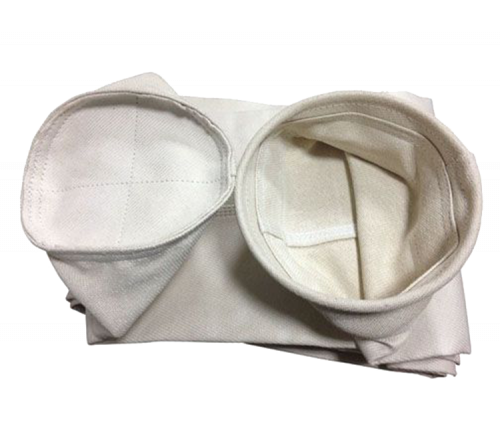
HENGKE supplies high-performance PTFE needle felt, polyester needle felt, and fiberglass needle felt filter bags, along with advanced synthetic fibers such as PPS, Nomex, Fiberglass, and PTFE membrane. Each material has a distinct role. Polyester needle felt is widely used in general industrial dust collection where temperature and chemical exposure are moderate. PTFE needle felt offers strong chemical resistance and stable performance in demanding environments. Fiberglass needle felt is chosen for high-temperature applications where thermal stability is critical. PPS and Nomex extend options for specific thermal and chemical conditions, while PTFE membranes can improve fine particulate capture and dust release.
- Temperature resistance: confirm continuous and peak operating conditions, not only normal readings.
- Chemical resistance: review acids, alkalis, solvents, moisture, and oxidizing conditions.
- Dust release: consider surface treatment and dust cake behavior under cleaning pulses.
- Mechanical strength: assess abrasion, tensile load, and cage compatibility.
- Compliance target: match media to local emission limits for PM2.5 and PM10.
Application Scenarios Shape the Decision
Industrial filter bags are used across cement kilns, clinker cooling and grinding processes, steel smelting, coal-fired power boilers, and asphalt mixing plants. These environments place different stresses on filtration media. Cement plants may face high dust loads and alkaline chemistry. Steel operations may involve sparks, high temperatures, and varied particulate. Coal-fired boilers require attention to moisture, acid dew point, and thermal cycling. Asphalt mixing plants often combine heat, oil mist, and fine dust. HENGKE has established itself as a trusted long-term supplier to world-renowned cement conglomerates, including Conch Cement, Taiwan Cement, Heidelberg Materials, and CEMEX. This experience supports practical material selection for demanding baghouse conditions.
Plant teams should also evaluate the total cost of ownership. A lower-priced bag that fails early can create far higher costs through replacement labor, production downtime, and compliance risk. HENGKE focuses on cost-effective performance through optimized manufacturing processes and strong upstream material partnerships. The aim is to deliver premium-grade technical textiles at competitive pricing while providing an optimal balance of lifespan and investment return. By using optimized filtration media, industrial plants can lower pressure drops, extend bag service life, reduce maintenance downtime, and comply with environmental regulations.
Quality and Supply Chain Checks
Material selection should include supplier verification. HENGKE maintains ISO 9001:2015 Quality Management System Certification and ISO 14001:2015 Environmental Management System Certification, and it supports product claims with third-party technical textile testing reports. Global buyers should also consider logistics and risk management. HENGKE has robust experience in international trade, efficient logistics management, and proactive risk handling, including comprehensive experience managing complex maritime insurance claims and General Average declarations. This helps ensure secure, end-to-end delivery for global buyers.

Before finalizing a filter bag material, plant teams should request technical data, review test reports, confirm cage compatibility, and validate the recommended media against actual operating data. A structured review with a filtration specialist can prevent costly trial and error. HENGKE serves as a technology-driven manufacturer with end-to-end dust isolation solutions for heavy industries worldwide. The right material is not simply the most expensive or the most common option. It is the material that matches the gas chemistry, moisture, temperature, dust, cleaning method, and emission target of the specific baghouse.
Practical Selection Checklist
Decision makers can use a concise checklist to compare proposals. First, document continuous and peak temperature. Second, analyze gas chemistry and moisture. Third, characterize dust size, abrasiveness, and stickiness. Fourth, confirm baghouse cleaning method and air-to-cloth ratio. Fifth, define emission targets and pressure drop limits. Sixth, review surface treatment options such as PTFE coating and water and oil repellent finishes. Seventh, verify supplier certifications, testing reports, and delivery risk management. HENGKE supports this process with customized technical textile supply for heavy industries and major cement plants globally. The company combines industrial precision, strict quality standards, and responsive technical support to help plants lower emissions and optimize baghouse performance.
Ultimately, filter bag material selection is a technical and commercial decision that deserves careful attention. The correct choice protects production continuity, controls maintenance cost, and supports environmental compliance. HENGKE focuses on high-performance filter bags and bag cages, backed by two decades of expertise and a commitment to stable quality, exceptional filtration efficiency, and competitive pricing. For plants planning a baghouse upgrade or replacement, early material review is the most reliable way to avoid premature failure and achieve predictable performance.