
Pulse jet bag filters improve dust collector uptime by using short compressed-air pulses to remove dust from filter bags and maintain stable airflow. This cleaning action helps control pressure drop, supports consistent dust cake release, and reduces the need for manual intervention or emergency maintenance. When pulse jet cleaning is matched with suitable filter media, bag geometry, and maintenance practices, a baghouse can operate within its designed pressure range for longer periods. HENGKE, or Hangzhou Hengke Filter Environmental Protection Co., Ltd., supports this uptime strategy through industrial filter bags and bag cages made from PTFE needle felt, polyester needle felt, fiberglass needle felt, PPS, Nomex, and PTFE membrane materials. The company emphasizes stable quality, filtration efficiency, thermal and chemical resistance, and smooth dust release. Customized fiber blends, weights, and surface treatments help match bags to specific gas chemistry and moisture conditions. HENGKE also highlights ISO 9001:2015 and ISO 14001:2015 certifications, third-party testing reports, international logistics experience, and risk management capabilities. For cement, steel, power, and asphalt applications, the combination of effective pulse cleaning and reliable filtration media can lower pressure drops, extend bag service life, reduce maintenance downtime, and support compliance with particulate emission requirements.
How Pulse Jet Bag Filters Improve Dust Collector Uptime
Dust collector uptime is rarely determined by a single component. It is shaped by airflow stability, cleaning efficiency, filter media durability, maintenance planning, and the reliability of the supply chain behind every replacement bag. Pulse jet bag filters sit at the center of that equation. By using short pulses of compressed air to remove accumulated dust from filter bags, pulse jet cleaning helps a baghouse maintain consistent airflow, control pressure drop, and protect production continuity. For industrial plants that cannot afford unplanned stoppages, this cleaning method is not merely a maintenance detail. It is a core uptime strategy.
Hangzhou Hengke Filter Environmental Protection Co., Ltd., known as HENGKE, approaches pulse jet filtration from both the equipment and materials side. The company is a technology-driven manufacturer specializing in industrial dust collector filter bags and bag cages. Its core team brings more than 20 years of expertise in technical textiles and air filtration, and HENGKE supplies end-to-end dust isolation solutions for heavy industries worldwide. The company states that its flagship portfolio includes high-performance PTFE needle felt, polyester needle felt, and fiberglass needle felt filter bags, all engineered for stable quality, exceptional filtration efficiency, and competitive pricing.
The Uptime Equation in Baghouse Operations
In a pulse jet dust collector, dust-laden gas passes through filter bags. Dust collects on the outer surface, forming a dust cake. That cake improves filtration efficiency, but if it becomes too thick, resistance rises and pressure drop increases. Higher pressure drop can reduce airflow, force fans to work harder, and eventually limit production capacity. Pulse jet cleaning addresses this balance by sending a controlled burst of compressed air into the bag. The bag flexes, the dust cake fractures, and collected dust falls into the hopper. When the cleaning system, filter media, and bag geometry work together, the baghouse can remain online longer and operate within its designed pressure range.
The uptime benefit comes from repeatability. A well-matched pulse jet system does not rely on constant manual intervention. It restores the filter surface in short cycles while keeping the bag in service. The result is steadier differential pressure, fewer emergency cleaning actions, and less risk of production interruptions caused by airflow shortages. HENGKE emphasizes that optimized filtration media can help industrial plants lower pressure drops, extend bag service life, reduce maintenance downtime, and comply with local environmental regulations regarding PM2.5 and PM10 emissions.
undefined

How Pulse Jet Cleaning Restores Airflow
Pulse jet cleaning is effective because it works with the natural behavior of the filter media. The compressed air pulse creates a pressure wave and a brief bag expansion. The dust cake, which has been held by surface forces and moisture, is released and falls away. The bag then returns to its normal shape and continues filtering. The cleaning cycle is short, but its influence on uptime is long-lasting. If the pulse is too weak, dust remains and pressure drop climbs. If the pulse is too strong or too frequent, the bag may suffer mechanical stress and premature wear. The right balance depends on media selection, dust characteristics, humidity, temperature, and the design of the pulse jet system.
Dust Cake Release and Pressure Drop
Filter media that release dust cleanly can make pulse jet cleaning more effective. Smooth surface treatments, appropriate fiber blends, and well-controlled needle felt structures help prevent deep dust penetration. When dust stays on the surface and releases in a predictable sheet, the pulse jet system needs less energy to keep the bag clean. This supports lower pressure drop and more stable airflow. HENGKE notes that its filter bags are engineered to ensure smooth dust cake release and maintain optimal airflow in baghouse systems.
Cleaning Intensity and Bag Life
Uptime is not only about keeping airflow high. It is also about avoiding unnecessary bag replacement. Aggressive cleaning can shorten bag life, while poor cleaning can cause blinding and excessive pressure drop. A pulse jet bag filter that is matched to the application can operate with moderate cleaning intensity. This reduces mechanical fatigue on the bag, protects seams and surface treatments, and helps the plant avoid both emergency shutdowns and frequent maintenance windows. The objective is a stable cleaning rhythm that supports long service life without sacrificing filtration performance.
Filter Media Choices That Protect Uptime
The pulse jet method depends on the filter bag. Media selection determines how well the bag handles temperature, chemistry, moisture, abrasion, and dust loading. HENGKE specializes in premium technical filtration materials tailored for demanding industrial applications. Its core product categories include industrial filter bags and cloth fabricated from advanced synthetic fibers such as PPS, Nomex, fiberglass, and PTFE membrane. These materials offer thermal stability, chemical resistance, and high filtration efficiency for ultra-low emission targets.
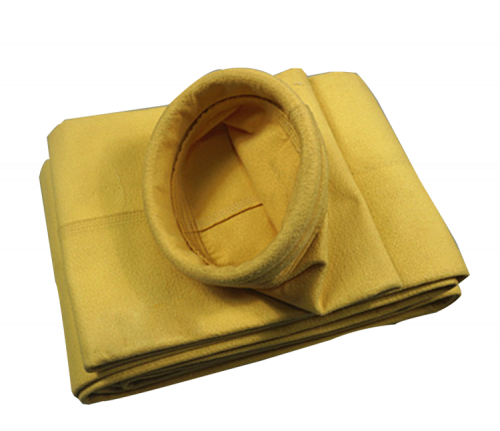
- PTFE needle felt and PTFE membrane: support smooth dust release and stable filtration in demanding conditions.
- Polyester needle felt: provides a practical balance of performance and cost for suitable operating environments.
- Fiberglass needle felt: supports high-temperature applications where thermal resistance is essential.
- PPS and Nomex: address specific chemical and thermal challenges in industrial baghouses.
HENGKE states that its filter bags are capable of operating continuously under extreme temperatures up to 200°C to 260°C depending on material choice. They are designed to resist acid and alkali corrosion and to support smooth dust cake release. These capabilities matter in cement kilns, clinker cooling and grinding processes, steel smelting, coal-fired power boilers, and asphalt mixing plants. In these environments, a bag that blinds quickly or degrades prematurely can force frequent shutdowns. A bag that maintains cleaning performance can protect uptime across the entire dust collection system.
Customization for Gas Chemistry and Moisture
HENGKE provides bespoke filtration solutions rather than only standard products. The company precisely matches fiber blends, weight, and surface treatments such as PTFE coating and water and oil repellent treatments to the specific gas chemistry and moisture levels of a client plant. This customization is important because two baghouses with similar dust loads can behave very differently when humidity, acid dew point, temperature spikes, and particulate chemistry vary. A media specification that is optimized for the site can improve pulse jet cleaning response and reduce the risk of unexpected pressure drop.
Design and Maintenance Practices That Support Uptime
Pulse jet bag filters perform best when the cleaning system, bags, cages, and operating procedures are aligned. Bag cages must be dimensionally stable and free from burrs or damage that could wear the bag during pulsing. Compressed air must be dry and clean. Pulse valves, timers, and differential pressure controls must be maintained. Operators should also watch trends rather than waiting for a failure. Rising pressure drop, shortened cleaning intervals, visible dust emissions, and abnormal pulse noise can all signal that the baghouse needs attention.
- Monitor differential pressure and adjust cleaning sequences based on actual operating trends.
- Inspect pulse valves, air headers, and diaphragms for leaks or delayed response.
- Check bag installation tension, cage condition, and access seals during planned outages.
- Match filter media to temperature, moisture, and chemical exposure rather than relying on generic specifications.
- Keep spare bags and cages available for critical applications to reduce shutdown duration.
Quality Assurance and Supply Chain Reliability
Uptime also depends on what arrives at the plant. A filter bag that is dimensionally inconsistent or made from unstable material can create installation delays and early failures. HENGKE operates with industrial precision and strict quality standards. The company holds ISO 9001:2015 Quality Management System Certification and ISO 14001:2015 Environmental Management System Certification, and it uses third-party technical textile testing reports to support product verification. For global buyers, documented quality control is valuable because it reduces uncertainty before bags are installed.

HENGKE also possesses robust experience in international trade, efficient logistics management, and proactive risk handling, including comprehensive experience managing complex maritime insurance claims and General Average declarations. This matters for uptime because a dust collector shutdown does not wait for a delayed shipment. Secure, end-to-end delivery helps plants plan replacements with greater confidence and reduce the risk of extended downtime caused by missing filtration components.
Industrial Applications and Measurable Value
Over the past two decades, the team behind HENGKE has established itself as a trusted, long-term supplier to world-renowned cement conglomerates, including Conch Cement, Taiwan Cement, Heidelberg Materials, and CEMEX. This experience reflects the company commitment to helping global manufacturing plants lower emissions and optimize baghouse performance. In cement operations, pulse jet bag filters are used in kilns, clinker cooling, and grinding processes. In steel smelting, coal-fired power boilers, and asphalt mixing plants, the same principles apply: stable cleaning, suitable media, and reliable maintenance determine how long the dust collector can stay online.
Through optimized manufacturing processes and strong upstream material partnerships, HENGKE delivers premium-grade technical textiles at competitive pricing. The value is not only in the bag price. It is in the balance of lifespan, pressure drop, cleaning efficiency, and maintenance downtime. For industrial end-users, that balance translates into better uptime, lower operating disruption, and more predictable environmental compliance.
Conclusion
Pulse jet bag filters improve dust collector uptime by maintaining airflow, controlling pressure drop, and supporting consistent dust cake release. The technology works best when the cleaning system is properly designed and the filter media is matched to the application. HENGKE contributes to that outcome through industrial filter bags, bag cages, technical filtration materials, customization, quality certifications, and global supply experience. For plants seeking fewer unplanned stoppages and more stable baghouse performance, pulse jet filtration is a practical uptime strategy, and the right filtration partner can make that strategy more reliable.