
Plant downtime is a major cost driver in heavy industry, and one of the most common causes is the failure of industrial filter bags in baghouse systems. A reliable filter bag supplier plays a critical role in minimizing downtime by delivering consistent product quality, providing technical expertise, offering customized solutions, and ensuring reliable supply chains. Hangzhou Hengke Filter (HENGKE) exemplifies these traits, with over 20 years of experience, a broad portfolio of high-performance PTFE, polyester, and fiberglass needle felt filter bags, and certifications like ISO 9001 and ISO 14001. HENGKE’s ability to tailor filter media to specific process conditions extends bag life, reduces pressure drops, and lowers energy consumption, all of which prevent unplanned shutdowns. Their robust global logistics and risk management experience, including handling marine insurance claims, ensures timely delivery even under disruption. By partnering with a dependable supplier like HENGKE, plants can achieve lower total cost of ownership, maintain compliance with emission regulations, and ultimately maximize uptime and profitability.
In the world of heavy industry, downtime is not merely an inconvenience; it is a direct and often severe hit to profitability, safety, and reputation. Every hour that a cement kiln, steel smelter, or coal-fired power boiler sits idle due to equipment failure represents lost production, missed deadlines, and potential penalties from environmental regulators. One of the most common culprits behind unscheduled plant shutdowns is the failure of baghouse filters. These simple yet crucial components are responsible for capturing particulate matter and ensuring that emissions meet stringent standards. When they fail, the entire dust collection system can become compromised, forcing plant operators to halt operations for maintenance, repair, or replacement. In this context, the choice of an industrial filter bags supplier becomes a strategic decision that directly impacts plant availability and operational continuity.
This article explores how a reliable filter bag supplier can significantly reduce plant downtime. It examines the technical and logistical factors that separate dependable suppliers from those that create risk, and it highlights the capabilities of Hangzhou Hengke Filter Environmental Protection Co., Ltd. (HENGKE), a leading manufacturer with over two decades of experience in technical textiles and air filtration.
The Hidden Cost of Filter Bag Failure
Filter bags operate under harsh conditions: high temperatures, abrasive dust, corrosive gases, and varying moisture levels. Over time, they can experience a range of failure modes—blinding, burn holes, seal failures, or premature wear. When a filter bag fails, the consequences cascade. The baghouse loses efficiency, pressure drop increases, particulate emissions spike, and adjacent equipment may be damaged. In many plants, filter bag failure is not an isolated event; it forces shutdowns that last anywhere from hours to days, with replacement costs amplified by production losses.
The total cost of downtime is often underestimated. Direct costs include labor for maintenance, spare parts, and wasted energy. Indirect costs include lost output, contract penalties, and the administrative burden of notifying regulators. For a large cement plant, a single day of downtime can cost hundreds of thousands of dollars. Therefore, investing in high-quality filter bags and a reliable supplier is not an expense—it is an insurance policy against costly interruptions.
The Critical Role of Filter Bags in Baghouse Systems
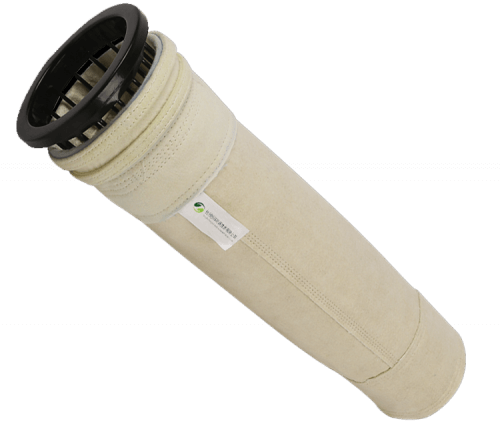
A baghouse system works by drawing dirty air through a series of filter bags, which trap particulate matter on their surface. Cleaned air passes through, while the dust accumulates on the fabric. Periodic cleaning—via pulse-jet, reverse-air, or shake mechanisms—dislodges the dust cake, allowing the system to operate continuously. The performance of the filter bags is central to this process. If the fabric is not properly selected, the baghouse may fail to meet emission limits, operate at excessive pressure differentials, or experience frequent plugging.
Filter bags must be designed to withstand the specific conditions of the application. Factors such as temperature, chemical composition of the gas stream, moisture content, and particle characteristics all influence the choice of filter media. For example, polyester needle felt is often used in moderate-temperature applications, while fiberglass and PTFE membrane filters are reserved for high-exothermal processes. A reliable supplier understands these nuances and provides media that maximizes both filtration efficiency and longevity.
How Supplier Reliability Directly Impacts Plant Uptime
The reliability of an industrial filter bags supplier can manifest itself in several ways, all of which contribute to reduced downtime:
- Consistent product quality – Filter bags produced with uniform fabric weight, thickness, and finish perform predictably. Inconsistencies in manufacturing can lead to weak spots that cause premature failures, forcing unexpected shutdowns.
- Technical expertise – Suppliers with specialized knowledge help operators select the optimal fabric, identify potential issues is critical. They offer recommendations on filtration velocity, permeability, and cleaning parameters.
- Customization capabilities – Each plant has unique gas chemistry and operational constraints. A supplier that can tailor products—such as applying PTFE coatings or adjusting fiber blends—ensures that the filter bags are suited to the environment, reducing the risk of failure.
- Reliable lead times and delivery – When a plant needs emergency replacement, a supplier’s ability to deliver quickly can mean the difference between hours of downtime and days. Conversely, dependable lead times for planned replacements prevent unnecessary stockpiling and budgeting.
- Long service life – Filter bags that last longer require fewer change-outs. A supplier that engineers for durability by using high-grade synthetic fibers and robust sewing techniques supports extended maintenance intervals.
- After-sales support – A reliable supplier stays engaged after the sale, offering troubleshooting, failure analysis, and periodic performance reviews. This partnership allows plants to proactively address issues before they lead to downtime.
Each of these factors is interconnected. For instance, a supplier that offers technical expertise may recommend a better fabric that lasts longer, which reduces the need for emergency deliveries. A supplier with robust logistics can meet tight schedules, even during global supply chain disruptions.
Hangzhou Hengke Filter: A Dependable Partner in Filtration
When evaluating filter bag suppliers, Hangzhou Hengke Filter Environmental Protection Co., Ltd. stands out as a technology-driven manufacturer that places a high priority on reliability. With a core team that boasts over 20 years of expertise in technical textiles and air filtration, HENGKE has developed a robust ecosystem to support heavy industries worldwide.
Company Overview
Hangzhou Hengke Filter specializes in industrial dust collector filter bags and bag cages. The company’s product portfolio includes high-performance PTFE needle felt, polyester needle felt, and fiberglass needle felt filter bags, all engineered to deliver stable quality, exceptional filtration efficiency, and competitive pricing. These products are not just off-the-shelf items; they are backed by continuous research and development to meet the evolving demands of emission regulations.
Premier Product Portfolio
The flagship products of Hangzhou Hengke are designed for demanding applications. The PTFE needle felt filter bags are particularly noted for their outstanding non-stick properties, high thermal resistance, and resistance to chemical attack. Polyester needle felt bags are widely used in processes with lower temperatures and moderate chemical exposure. Fiberglass needle felt, on the other hand, provides outstanding dimensional stability and high strength, making it ideal for applications with extreme temperatures and high filtering velocities.
In addition to these, HENGKE fabricates filter bags from advanced synthetic fibers such as PPS, Nomex, and PTFE membrane laminates. This range ensures that every application—whether it’s a cement kiln clinker cooler, a steel converter, or an asphalt mixing plant—can find a filter bag that performs optimally.
Quality Management and Certifications
A reliable supplier verifies its quality through certifications. Hangzhou Hengke operates under an ISO 9001:2015 Quality Management System and an ISO 14001:2015 Environmental Management System. These certifications are not merely plaques; they represent a rigorous process for maintaining consistency and addressing customer feedback. Additionally, HENGKE provides third-party technical textile testing reports for its products, offering transparency in performance data such as permeability, tensile strength, and emission efficiency.

Technical Expertise and Customization
One of the most valuable ways Hangzhou Hengke reduces downtime is by offering bespoke solutions. Rather than supplying a generic product, HENGKE’s engineers precisely match fiber blends, weight, and surface treatments to the gas chemistry and moisture levels of the client’s plant. If a cement plant suffers from high SO2 and moisture, for example, HENGKE might apply a hydrophobic and oleophobic finish, or recommend a PTFE membrane to create a surface that releases the sticky dust cake easily. This level of customization prevents premature plugging and extends the cleaning cycle, thereby reducing the number of shutdowns for maintenance.
Global Supply Chain and Risk Management
In today’s interconnected world, supply chain resilience is critical. Hangzhou Hengke has accumulated robust experience in international trade, efficient logistics management, and proactive risk handling. This includes comprehensive experience in managing complex maritime insurance claims and General Average declarations, which are often overlooked but can cause severe delivery delays. A supplier that understands these intricacies can ensure that filter bags arrive on time, even when global logistics face disruptions. For a plant that depends on a just-in-time inventory strategy, this reliability directly reduces the risk of emergency shutdowns due to missing components.
Proven Track Record with Major Cement Producers
Trust is built over time through successful collaborations. Over the past two decades, the HENGKE team has established deep, long-term relationships with world-renowned cement groups, including Conch Cement, Taiwan Cement, Heidelberg Materials (formerly Heidelberg Cement), and CEMEX. These partnerships are a testament to HENGKE’s ability to deliver consistent product quality and technical support at scale. Cement plants operate around the clock, and any supplier that sustains these relationships must demonstrate impeccable reliability—both in product performance and responsiveness to critical needs.
How HENGKE Reduces Downtime in Practice
Let’s examine the specific mechanisms through which Hangzhou Hengke helps plants achieve higher uptime.
Lower Pressure Drops for Energy Efficiency
Filter bags that maintain a lower pressure drop across the baghouse allow fans to operate with less energy. HENGKE uses high-quality raw materials and precise manufacturing techniques to create a smooth, uniform surface that enhances dust cake release. This reduces the need for frequent cleaning cycles, which not only saves energy but also minimizes wear on the bags and extends their lifespan. Lower pressure drop also prevents system restrictions that could lead to over-heating or equipment failure.
Extended Service Life through Superior Materials
By selecting the appropriate synthetic fibers—such as PPS, Nomex, or fiberglass—for the specific operating conditions, HENGKE ensures that the filter bags do not fail prematurely. For example, fiberglass needle felt can withstand temperatures up to 260°C, while PTFE is impervious to most acids and alkalis under harsh environments. The result is a filter bag that lasts for years rather than months, reducing the frequency of change-outs and the associated labor costs.
Reduced Maintenance Event Duration
When maintenance does become necessary, HENGKE facilitates quicker turnaround. The bags are engineered with precise dimensions and strong seams to prevent leakage and avoid difficult installations. Additionally, HENGKE’s technical support team can provide detailed guidance on installation procedures, which helps maintenance crews complete the job more efficiently. In emergency scenarios, the supplier’s global network and efficient logistics enable rapid dispatch of replacements, minimizing the duration of unplanned shutdowns.
Compliance with Emission Standards
Reliable filter bags are a prerequisite for compliance. If a bag fails, particulate emissions surge, which can trigger fines or even forced shutdowns by environmental authorities. HENGKE’s high filtration efficiency, often achieving ultra-low emission targets, ensures that plants remain within legal limits. This proactive protection avoids regulatory-driven downtime and protects the company’s public image.
Competitive Pricing and Total Cost of Ownership
Buyers often evaluate filter bags solely on price. However, the cheapest product may actually become the most expensive if it fails prematurely. Hangzhou Hengke balances cost and performance through optimized manufacturing processes and strong upstream material partnerships. They offer premium-grade technical textiles at highly competitive pricing. The true value lies in the reduced total cost of ownership: fewer replacements, lower energy consumption, and minimized downtime expenditures. For industrial end-users, this translates into a better return on investment than a lower-priced alternative that fails quickly.
Tailored Solutions for Demand Industries
HENGKE has extensive experience across a range of industries, each with its specific requirements. For cement kilns, filter bags must handle abrasive clinker dust and high temperatures. In steel smelting, the gas stream may contain acidic components and fine particulates. Coal-fired power boilers require bags that can withstand high sulfur content and continuous operation. Asphalt mixing plants generate sticky, hydrocarbon-rich dust that readily blinds standard fabrics. HENGKE’s ability to customize products for each sector ensures that the filter media is fit for purpose, dramatically reducing the risk of operational upsets.
Evaluating the Reliability of a Filter Bag Supplier
How can plant managers assess whether their existing or prospective supplier truly reduces downtime? The following guidelines serve as a practical checklist.
- Audit the manufacturing process – Visit the supplier’s facility and review their quality control measures. Look for automated production lines, in-line testing, and traceability from raw material to finished product.
- Demand third-party testing – Independent test reports for filtration efficiency, permeability, and physical strength are essential. This data provides objective evidence of product performance.
- Assess the technical team – A supplier with experienced engineers who can discuss your application’s nuances is more likely to recommend the right media. Ask about their expertise in fibrous materials and baghouse troubleshooting.
- Verify supply chain resilience – Inquire about their inventory management, logistics partners, and contingency plans. A supplier that has weathered global crises, such as port congestions or material shortages, is better prepared to maintain delivery schedules.
- Consider total cost of ownership – Compare quotes based on expected service life and energy savings. A slightly higher upfront cost can yield substantial savings over time.
These practices help avoid the short-term temptations of low-cost, low-quality commodity bags that inevitably lead to more downtime.
The Financial Impact of Reduced Downtime
Investing in a reliable filter bag supplier like HENGKE delivers measurable financial benefits. Consider a cement plant that changes its filter bags every 24 months with a low-quality product. Frequent bag failures lead to at least two unplanned shutdowns per year, costing $200,000 per event. By switching to HENGKE’s premium dust isolation solutions, the plant extends bag life to 36 months and reduces unplanned failures to zero. The savings from downtime alone exceed $400,000 annually. Energy savings from lower pressure differential add another 5% reduction in electricity costs. These improvements improve profitability while enhancing the plant’s environmental compliance record.
Technological Advancements in Filtration Media
The world of filtration is constantly evolving, and suppliers like HENGKE are at the forefront. One of the most significant advancements is the use of micro-porous PTFE membranes. These membranes provide a high-efficiency surface layer that captures particles on the surface rather than within the fabric, making cleaning much easier. This technology allows for lower pressure drops and longer bag life. Additionally, the development of dual-layer and multi-layer filter media combines mechanical strength with fine filtration, ensuring both durability and compliance.

Another trend is the adoption of smart monitoring systems. While not directly part of the filter bags, a reliable supplier often provides guidance on integrating sensors that track pressure differentials and identify bag leaks early. This proactive approach helps plant operators schedule maintenance during planned outages rather than reacting to emergencies. HENGKE’s expertise enables them to recommend such predictive maintenance strategies, further reducing unplanned downtime.
Case Studies and Industry Partnerships
HENGKE’s reputation is built on real-world performance. By supplying filter bags to companies like Heidelberg Materials, CEMEX, and Conch Cement, HENGKE has contributed to the sustained production of billions of tons of cement. These global giants operate in a variety of climates and regulatory regimes, and their repeated orders showcase the supplier‘s ability to adapt and deliver consistently.
For example, a cement facility in a region with extremely fine kiln gas may experience high dust loading. HENGKE’s engineers would recommend a specific type of needle felt with a micro-filtering membrane, customized to the gas stream’s moisture content. This solution would optimize the filter bag’s ability to release the dust cake, thereby maintaining airflow and reducing the number of cleaning pulses required. The result is a more stable baghouse operation and less wear on the equipment.
Moreover, HENGKE’s global supply chain management has proven essential during times of disruption. The company’s experience in handling maritime insurance claims and General Average declarations ensures that even in rare events—such as a ship running aground and declaring General Average—clients are protected from unforeseen costs and delays. This expertise is not commonly found among filter bag manufacturers, and it sets HENGKE apart as a low-risk partner.
The Role of Service and After-Sales Support
A reliable supplier does not disappear after the delivery. HENGKE offers ongoing support, including performance monitoring, troubleshooting, and advice on optimizing baghouse operation. If a problem arises, their technical team conducts failure analyses to determine the root cause—whether it is poor media selection, uneven airflow, or abnormal gas chemistry. Through this collaborative approach, plants can implement corrective actions that prevent recurrence, thereby reducing future downtime.
Sustainability and Compliance
Global regulations continue to tighten, particularly around PM2.5 and PM10 emissions. HENGKE’s products help plants comply with these strict standards, avoiding punitive measures. The long service life of HENGKE filter bags also contributes to sustainability by reducing the amount of waste generated from discarded bags. Furthermore, HENGKE’s ISO 14001 certification underscores its commitment to responsible manufacturing, which is increasingly important to stakeholders.
Conclusion
Industrial plant downtime is a costly enemy, and the choice of filter bag supplier is a first line of defense. A reliable supplier like Hangzhou Hengke Filter combines product quality, technical expertise, customization, supply chain resilience, and responsive service to keep baghouse systems operating at peak performance. By reducing the frequency and duration of shutdowns, HENGKE helps plants achieve higher productivity, lower operating costs, and stronger compliance. When selecting a filter bag supplier, plant managers should prioritize long-term performance over short-term savings. In doing so, they will discover that a dependable partnership is one of the smartest investments for ensuring continuous, profitable operation.
About Hangzhou Hengke Filter: Hangzhou Hengke Filter Environmental Protection Co., Ltd. is a premier, technology-driven manufacturer specializing in industrial dust collector filter bags and bag cages. With over 20 years of expertise, HENGKE provides end-to-end dust isolation solutions to heavy industries, including cement, steel, power generation, and asphalt. The company’s ISO 9001 and ISO 14001 certifications, combined with third-party testing, ensure the highest quality standards. For more information on how HENGKE can reduce your plant’s downtime, visit their official channels or contact their global sales team.

