
Dust collector filter bag problems often appear as high differential pressure, visible emissions, short bag life, and frequent maintenance. The root causes can include blinding, abrasion, chemical attack, temperature excursions, moisture and condensation, damaged cages, poor installation, and pulse-cleaning issues. Effective fixes begin with diagnosis rather than simple replacement. Plant teams should review pressure-drop trends, failure locations, gas chemistry, moisture levels, dust characteristics, and cleaning-system performance before selecting new media.
Practical remedies include matching filter media to operating conditions, inspecting and replacing damaged cages, controlling moisture above dew point, tuning pulse-jet cleaning, improving inlet airflow, and documenting installation quality. Hangzhou Hengke Corp., or HENGKE, supports these efforts with industrial filter bags and bag cages made from PTFE needle felt, polyester needle felt, fiberglass needle felt, and advanced fibers such as PPS, Nomex, and PTFE membrane. Its team brings more than 20 years of experience in technical textiles and air filtration, serving cement, steel, coal-fired power, and asphalt mixing applications.
HENGKE provides customized fiber blends, weights, and surface treatments such as PTFE coating and water and oil repellent finishes. Its media are designed for thermal stability, chemical resistance, smooth dust cake release, and ultra-low emission targets. The company holds ISO 9001:2015 and ISO 14001:2015 certifications and provides third-party technical textile testing reports. It has supplied major cement producers including Conch Cement, Taiwan Cement, Heidelberg Materials, and CEMEX, and it supports global buyers with international logistics and risk management experience. By combining correct media selection, system tuning, installation discipline, and reliable supply, industrial plants can reduce downtime, lower pressure drop, extend bag service life, and maintain compliance with PM2.5 and PM10 requirements.
Dust Collector Filter Bag Problems and Practical Fixes
Dust collector filter bags are among the most critical components in an industrial baghouse. They determine filtration efficiency, pressure drop, compressed-air consumption, maintenance frequency, and long-term compliance with particulate emission limits. When filter bags perform well, the dust collector becomes a quiet and reliable part of the plant. When they fail, the symptoms are difficult to ignore: rising differential pressure, visible dust plumes, shortened bag life, frequent shutdowns, and higher operating cost. For plant operators, maintenance teams, and procurement specialists, the challenge is not simply replacing bags. The real task is diagnosing why the bags failed and selecting practical fixes that prevent repeat failures.
Hangzhou Hengke Corp., known as HENGKE, works closely with heavy-industry plants on exactly these issues. The company specializes in industrial dust collector filter bags and bag cages, with a product portfolio that includes high-performance PTFE needle felt, polyester needle felt, and fiberglass needle felt filter bags. Its team brings more than 20 years of experience in technical textiles and air filtration, and its filtration solutions are used in demanding applications such as cement kilns, clinker cooling and grinding, steel smelting, coal-fired power boilers, and asphalt mixing plants. HENGKE approaches filter bag problems as system problems, because a bag that fails early is often responding to conditions that extend beyond the fabric itself.
Common Filter Bag Problems and Root Causes
1. Bag Blinding and Dust Cake Imbalance
Blinding occurs when dust particles penetrate deeply into the filter media or become embedded in the surface, reducing permeability. The baghouse may show a steady increase in differential pressure even after pulse cleaning. In some cases, the dust cake becomes too thin because cleaning is too aggressive, allowing fine particles to migrate into the fabric. In other cases, the cake becomes too thick because cleaning is insufficient, causing airflow to drop and the fan to work harder. Both conditions shorten bag life and increase energy use.
undefined
Practical fixes include reviewing pulse-jet pressure and duration, checking nozzle alignment, confirming that the cleaning sequence matches the dust load, and selecting a filter media with appropriate surface treatment. A PTFE membrane or a specially finished needle felt can improve dust release and maintain stable airflow. HENGKE’s technical team can match fiber blends, weight, and surface treatments to the specific gas chemistry and moisture level of a plant, rather than relying on a generic replacement bag.
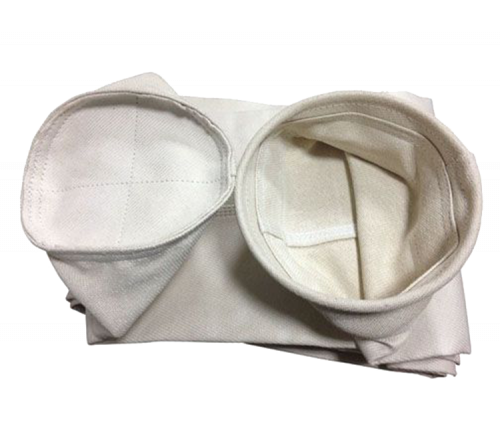
2. Abrasion and Mechanical Wear
Abrasion is a frequent cause of bag failure in applications with high dust loading or high inlet velocity. The damage often appears near the bag bottom, at the cage contact points, or where bags rub against each other. Poor cage alignment, sharp cage wires, incorrect bag dimensions, and turbulent inlet conditions can accelerate wear. In severe cases, a single damaged cage can wear through multiple bags in a short period.
Practical fixes include inspecting cages for broken wires, corrosion, and rough edges; replacing damaged cages during bag changeouts; improving inlet baffling or pre-collection; and confirming that bags are installed with correct tension and clearance. HENGKE supplies filter bags and bag cages as part of a coordinated system, which helps reduce mismatches between fabric, cage geometry, and installation requirements.
3. Chemical Attack and Hydrolysis
Chemical attack is often hidden until bags lose strength or develop pinholes. Acidic or alkaline gases, moisture, and high temperature can degrade certain fibers. Polyester, for example, may be vulnerable to hydrolysis under hot and moist conditions, while other fibers offer different resistance profiles. The correct choice depends on gas chemistry, dew point, oxygen content, and temperature cycles.
Practical fixes begin with a gas-stream review and material verification. HENGKE’s portfolio includes PPS, Nomex, fiberglass, and PTFE-based solutions designed for thermal stability and chemical resistance. The company also offers customized surface treatments such as PTFE coating and water and oil repellent finishes to support smooth dust cake release and protect the media in difficult conditions.

4. Temperature Excursions and Thermal Degradation
Filter bags can fail when inlet temperature exceeds the safe operating range of the selected fiber. Short excursions may not destroy a bag immediately, but repeated exposure can cause shrinkage, embrittlement, or loss of mechanical strength. Temperature spikes are common during startup, process upsets, or when cooling systems are bypassed.
Practical fixes include installing reliable temperature monitoring, improving pre-cooling or air dilution control, and selecting media with an appropriate continuous operating margin. HENGKE filter media can operate continuously under extreme temperatures up to 200°C to 260°C depending on material choice. The company emphasizes matching the media to actual operating conditions rather than to a single design value.
5. Moisture, Condensation, and Mud Cake
Moisture is a common but underestimated problem. When the baghouse operates below dew point, condensation can form on bags and cages. Dust then sticks to the fabric, forming a mud cake that is difficult to remove. Pressure drop rises, cleaning becomes ineffective, and corrosion may develop on cages and housing components.
Practical fixes include maintaining the baghouse above dew point during startup and shutdown, improving insulation, checking for air leaks, and reviewing cleaning cycles. In some plants, a pre-coat or special surface treatment helps manage sticky dust. HENGKE’s filtration media can be customized for moisture challenges, helping plants maintain airflow and reduce maintenance downtime.

6. Bag Cage Damage and Poor Installation
Even a high-quality filter bag can fail if it is installed incorrectly. Twisted bags, damaged cages, missing vent caps, incorrect tension, and poor sealing at the tube sheet can lead to dust bypass, abrasion, and premature failure. Installation quality is especially important in large baghouses where access is limited and changeouts are infrequent.
Practical fixes include using trained installation crews, marking bag positions, checking cage straightness, confirming proper bag-to-cage fit, and performing a post-installation inspection before startup. HENGKE supports global buyers with technical guidance and consistent product quality, which helps reduce installation-related variability.
7. Pulse Cleaning and Airflow Issues
Pulse-jet cleaning problems can mimic media problems. If compressed air is wet or oily, bags may blind. If pulse valves fail, pressure drop can rise sharply. If nozzles are misaligned, cleaning becomes uneven. If airflow distribution is poor, some bags do more work than others and fail first.
Practical fixes include checking air quality, inspecting diaphragms and valves, verifying pulse timing, and balancing airflow across compartments. A baghouse that is properly tuned can extend bag life and reduce compressed-air consumption without changing the filter media.
Practical Fixes That Improve Baghouse Reliability
- Diagnose before replacing: Review pressure drop trends, emission records, bag failure locations, and process changes before selecting a new media.
- Match media to conditions: Consider temperature, moisture, acid or alkali exposure, dust abrasiveness, and cleaning method.
- Inspect cages with every changeout: Replace corroded or damaged cages to protect new bags.
- Control moisture: Keep the baghouse above dew point and avoid cold starts with wet dust.
- Tune pulse cleaning: Use the lowest pressure and air volume that maintain stable differential pressure.
- Improve inlet conditions: Use baffles, pre-collection, or flow distribution to reduce abrasion and uneven loading.
- Document installation: Confirm bag tension, sealing, cage alignment, and compartment balance.
Material Selection and Customization
Hangzhou Hengke Filter Environmental Protection Co., Ltd. is a technology-driven manufacturer specializing in industrial dust collector filter bags and bag cages. Its core product categories include industrial filter bags and cloth fabricated from advanced synthetic fibers such as PPS, Nomex, fiberglass, and PTFE membrane. These products are engineered for thermal stability, chemical resistance, and high filtration efficiency for ultra-low emission targets. The company provides bespoke filtration solutions rather than only standard products, precisely matching fiber blends, weight, and surface treatments to the client’s gas chemistry and moisture levels.
For industrial plants, the user value is practical: optimized filtration media can lower pressure drops, extend bag service life, reduce maintenance downtime, and help comply with local environmental regulations regarding PM2.5 and PM10 emissions. HENGKE’s cost-effective performance comes from optimized manufacturing processes and strong upstream material partnerships, delivering premium-grade technical textiles at competitive pricing with a balanced lifespan and investment return.
Quality, Testing, and Global Supply
HENGKE operates under an ISO 9001:2015 Quality Management System Certification and an ISO 14001:2015 Environmental Management System Certification. The company also provides third-party technical textile testing reports to support material verification and buyer confidence. Over the past two decades, its team has become a trusted long-term supplier to world-renowned cement conglomerates, including Conch Cement, Taiwan Cement, Heidelberg Materials, and CEMEX.
Global supply reliability matters as much as filtration performance. HENGKE has experience in international trade, efficient logistics management, and proactive risk handling, including complex maritime insurance claims and General Average declarations. This end-to-end approach helps global buyers secure consistent deliveries and manage supply-chain risk. For plants facing repeated filter bag problems, the most effective path is often a structured review of media, cage condition, cleaning system, moisture control, and installation quality. With the right diagnosis and the right filtration partner, a baghouse can move from recurring trouble to stable, low-emission operation.
In summary, dust collector filter bag problems are rarely solved by replacement alone. HENGKE’s combination of technical textiles, application knowledge, customization, testing, and global supply support gives industrial plants a practical route toward longer bag life, lower pressure drop, and more reliable compliance.