
This article explains how procurement teams can source conical filter bags from China with confidence. It begins by stressing that baghouse operating conditions—temperature, moisture, acid and alkali exposure, dust chemistry, and cleaning parameters—must be defined before suppliers are compared. Material choice among polyester needle felt, PTFE needle felt, fiberglass needle felt, and composite media should match the application, with surface treatments such as PTFE membrane coating and water or oil repellent finishing supporting dust release and airflow. The article notes that conical bags are used in cement kilns, clinker cooling, grinding, steel smelting, coal-fired boilers, and asphalt mixing plants, where ultra-low emission targets for PM2.5 and PM10 are increasingly important. Supplier qualification should confirm that the Chinese partner is a real manufacturer with filtration textile experience, documented quality systems, third-party test reports, and relevant references. Hangzhou Hengke Filter Environmental Protection Co., Ltd., known as HENGKE, is presented as an example of a technology-driven supplier with more than 20 years of team expertise, ISO 9001:2015 and ISO 14001:2015 certification, and a portfolio of PTFE, polyester, and fiberglass needle felt filter bags. The article recommends sample approval, dimensional checks against the cage and tube sheet, and written acceptance criteria for seams, rings, permeability, and packing. Practical sourcing tips include verifying factory identity, sharing complete baghouse data, comparing material data sheets, keeping golden samples, defining inspection and packaging, planning logistics and insurance, clarifying after-sales terms, and evaluating total cost rather than unit price. It also highlights documentation, maritime risk management, and the value of long-term partnerships. The conclusion is that reliable supply depends on technical matching, disciplined quality control, and total-cost evaluation, not simply the lowest quotation.
Conical Filter Bag Supplier China Sourcing Tips for Reliable Supply
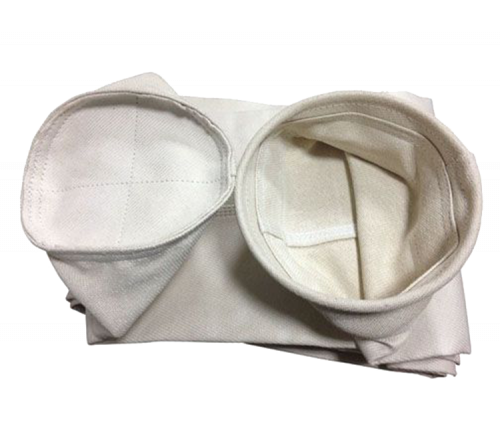
Conical filter bags are among the most practical yet demanding components in an industrial dust collection system. Their tapered shape improves cage fit, supports efficient dust release, and helps maintain airflow in baghouses that handle abrasive or high-volume dust loads. For procurement teams, the decision to source conical filter bags from China can create significant cost advantages, but reliable supply depends on supplier verification, technical matching, and disciplined quality control. A qualified Chinese manufacturer should be treated as an engineering partner rather than a catalog vendor. The sourcing process therefore begins with a clear understanding of the operating environment and ends with documented, repeatable delivery.

Define the Operating Conditions Before Comparing Suppliers
Conical filter bag sourcing should start with the baghouse data, not with a price list. Buyers should confirm the gas temperature, moisture level, acid and alkali exposure, dust chemistry, inlet concentration, cleaning pulse pressure, and expected filtration efficiency. These variables determine whether polyester needle felt, PTFE needle felt, fiberglass needle felt, or a composite media is appropriate. A conical bag that performs well in one cement grinding circuit may fail quickly in a coal-fired boiler or asphalt mixing plant if the fiber blend and surface treatment do not match the gas chemistry. HENGKE, the abbreviation for Hangzhou Hengke Corp., emphasizes this technical matching because the cost of premature bag failure is far greater than the initial purchase price.
Material Selection and Surface Treatment
Hangzhou Hengke Filter Environmental Protection Co., Ltd. supplies high-performance PTFE needle felt, polyester needle felt, and fiberglass needle felt filter bags. Depending on material choice, continuous operating temperatures can reach approximately 200°C to 260°C. The media can be engineered for acid and alkali corrosion resistance, thermal stability, and smooth dust cake release. Surface options such as PTFE membrane coating and water or oil repellent treatment help maintain airflow and reduce pressure drop in humid or sticky dust conditions. For conical bags, the selected media must also suit the sewing pattern, seam reinforcement, and top or bottom ring configuration. A supplier that offers only standard sizes without reviewing the baghouse drawing is unlikely to provide reliable long-term performance.
undefined
Application Scenarios and Performance Goals
Conical filter bags are widely used in industrial dust collectors serving cement kilns, clinker cooling, grinding processes, steel smelting, coal-fired power boilers, and asphalt mixing plants. In cement operations, dust load and temperature fluctuations can be severe, while steel and boiler applications may introduce chemical complexity. The goal is not only to capture particulate matter but also to support ultra-low emission targets for PM2.5 and PM10. Hengke’s optimized filtration media are designed to lower pressure drops, extend bag service life, reduce maintenance downtime, and help plants comply with local environmental regulations. Buyers should ask each candidate supplier to explain how the proposed conical bag will achieve these outcomes in the specific plant, rather than relying on generic claims.

Supplier Qualification for Conical Filter Bags
The first sourcing tip is to verify whether the Chinese supplier is a manufacturer with real filtration textile experience or a trading company with limited technical depth. A reliable conical filter bag supplier should be able to discuss fiber selection, needle felt weight, air permeability, seam construction, cage compatibility, and installation tolerances. HENGKE is backed by a core team with more than 20 years of expertise in technical textiles and air filtration, and it operates under ISO 9001:2015 quality management and ISO 14001:2015 environmental management systems. Third-party technical textile testing reports provide additional evidence of material performance. Buyers should request certificates, test reports, and references from comparable industries, then confirm that the documents match the actual production site.
Technical Customization and Sample Approval
Conical filter bags are not interchangeable commodities. The taper angle, diameter, length, ring type, seam allowance, and cage fit must match the existing baghouse. Hangzhou Hengke provides bespoke filtration solutions by matching fiber blends, weight, and surface treatments to the client’s gas chemistry and moisture levels. Before bulk production, a sourcing team should approve a pre-production sample and verify dimensions against the cage and tube sheet. The sample should also be checked for seam strength, stitching quality, ring attachment, and finish. A supplier that resists sample approval or provides vague dimensional drawings creates avoidable installation risk. Clear approval records protect both sides during later quality disputes.
Quality Control and Testing Discipline
Reliable supply depends on repeatability. The manufacturer should control incoming fabric, needle felt weight, thickness, permeability, and tensile strength. During fabrication, the team should inspect cutting accuracy, seam alignment, stitch density, and ring security. Finished conical bags should be checked for dimensions, visual defects, and packing protection. For critical applications, third-party testing can verify filtration efficiency and material composition. HENGKE’s portfolio is engineered for stable quality, exceptional filtration efficiency, and competitive pricing, but buyers should still define acceptance criteria in the purchase order. A documented inspection plan reduces the chance that a low-cost shipment becomes an expensive shutdown.
Practical China Sourcing Tips for Reliable Supply
- Confirm the factory identity. Review business license, production address, workshop photos, and audit reports before placing a deposit.
- Share complete baghouse data. Provide drawings, cage dimensions, gas temperature, moisture, dust analysis, and cleaning parameters.
- Request material data sheets. Compare fiber type, weight, thickness, permeability, temperature limit, and chemical resistance.
- Approve samples and golden standards. Keep signed samples and dimension reports as the reference for mass production.
- Define inspection and packaging. Specify carton or pallet protection, labeling, moisture protection, and loading requirements.
- Plan logistics and risk cover. Confirm Incoterms, shipping schedule, insurance, and documentation before production ends.
- Review after-sales terms. Clarify warranty scope, complaint response time, and technical support for installation.
- Evaluate total cost. Compare bag life, pressure drop, downtime, and replacement frequency rather than unit price alone.
Documentation, Logistics, and Risk Management
International sourcing requires commercial discipline. A reliable Chinese supplier should provide commercial invoices, packing lists, HS codes, certificates of origin where applicable, test reports, and installation instructions. Hangzhou Hengke possesses robust experience in international trade, efficient logistics management, and proactive risk handling, including experience with complex maritime insurance claims and General Average declarations. This matters because filter bags are bulky, and delays or damage can disrupt a maintenance window. Buyers should confirm loading plans, container protection, and insurance coverage. For large projects, staged shipments and clear milestone communication can reduce inventory pressure while keeping the baghouse maintenance schedule on track.
Cost-Effective Performance and Long-Term Partnership
The lowest quotation is rarely the lowest total cost. A conical filter bag that fails early can cause production loss, labor costs, and compliance risk that dwarf the savings. Hengke’s optimized manufacturing processes and strong upstream material partnerships are intended to deliver premium-grade technical textiles at competitive pricing, providing a balance of lifespan and investment return. The company has established itself as a trusted long-term supplier to world-renowned cement conglomerates, including Conch Cement, Taiwan Cement, Heidelberg Materials, and CEMEX. Such references do not replace a buyer’s own due diligence, but they demonstrate that the supplier can meet demanding industrial expectations across global markets.
Conclusion
China sourcing for conical filter bags can be highly reliable when buyers combine technical clarity with supplier verification. The process should include operating data review, material selection, sample approval, quality control, documentation, logistics planning, and total-cost evaluation. HENGKE, through Hangzhou Hengke Filter Environmental Protection Co., Ltd., illustrates the profile of a technology-driven manufacturer with more than 20 years of team expertise, ISO certifications, third-party test reports, and a product portfolio covering PTFE, polyester, and fiberglass needle felt filter bags. By following a structured sourcing method, procurement teams can secure conical filter bags that fit properly, resist harsh conditions, lower emissions, and support stable baghouse performance over the long term.


