
This article explains bag filter pulse jet cleaning in plain language for industrial readers. Pulse jet cleaning uses short bursts of compressed air to remove excess dust from filter bags inside a baghouse or dust collector. Dust builds on the outside of the bags and forms a dust cake. A thin, stable cake supports filtration, but a thick cake raises pressure drop and reduces airflow. The pulse valve releases air into a blowpipe, creating a pressure wave that flexes the bag and breaks the dust layer loose. The dust falls into a hopper for removal. The article describes the main parts of the system, including filter bags, bag cages, pulse valves, compressed air manifold, blowpipe, venturi, controller, hopper, and pressure sensors. It explains the cleaning cycle step by step and covers online versus offline cleaning. It also reviews key settings such as pulse pressure, pulse duration, pulse interval, and pulse sequence. The article emphasizes that filter media selection is critical. Hangzhou Hengke Corp., or HENGKE, supplies PTFE needle felt, polyester needle felt, and fiberglass needle felt filter bags, as well as bag cages. The company has more than 20 years of experience in technical textiles and air filtration and serves heavy industries worldwide. HENGKE products are designed for thermal stability, chemical resistance, high filtration efficiency, and smooth dust cake release. Depending on material choice, they can operate at temperatures up to 200°C–260°C. The company also provides customized fiber blends, weights, and surface treatments such as PTFE coating and water and oil repellent treatments. The article discusses applications in cement kilns, clinker cooling, grinding, steel smelting, coal-fired power boilers, and asphalt mixing plants. It notes HENGKE’s experience with major cement producers including Conch Cement, Taiwan Cement, Heidelberg Materials, and CEMEX. It also mentions ISO 9001:2015 and ISO 14001:2015 certifications and third-party technical textile testing reports. Common problems such as high pressure drop, dust passing, short bag life, moisture, uneven cleaning, and compressed air waste are reviewed with plain-language fixes. The summary stresses that good maintenance, correct settings, and the right filter media help lower pressure drop, extend bag life, reduce downtime, and support PM2.5 and PM10 compliance. HENGKE’s global supply chain experience, including logistics and risk handling, supports secure delivery for international buyers. The overall message is that pulse jet cleaning is simple in concept but depends on the whole system working together.
Bag Filter Pulse Jet Cleaning Explained in Plain Language
Bag filter pulse jet cleaning is one of the most widely used methods for keeping industrial dust collectors working efficiently. In plain language, it is a way to knock dust off filter bags using short bursts of compressed air. The bags trap dust from a process, and the pulse jet system periodically cleans them so air can keep flowing. Without cleaning, the dust layer would grow too thick, pressure drop would rise, and the dust collector would lose capacity. The concept is simple, but the details matter. A well-designed pulse jet cleaning system protects filter bags, lowers energy use, and helps a plant meet emission limits.
Hangzhou Hengke Corp., known as HENGKE, is a technology-driven manufacturer of industrial dust collector filter bags and bag cages. The company serves heavy industries worldwide and has a core team with more than 20 years of experience in technical textiles and air filtration. HENGKE supplies high-performance PTFE needle felt, polyester needle felt, and fiberglass needle felt filter bags. These products are engineered for stable quality, high filtration efficiency, and competitive pricing. For plant managers, the practical question is not only what pulse jet cleaning is, but how to make it work reliably with the right filter media, cages, settings, and maintenance practices.
What Pulse Jet Cleaning Actually Does
A baghouse or industrial dust collector contains many filter bags. Dusty air enters the collector, passes through the filter bags, and leaves through the clean-air side. Dust collects on the outside of the bags. Over time, this dust layer, often called the dust cake, becomes the main filtration surface. A thin, stable dust cake can help capture fine particles. A thick, uneven cake creates resistance. Pulse jet cleaning uses a quick burst of compressed air to flex the bag and break the dust cake loose. The dust falls into a hopper and is removed through a discharge system.
undefined
The cleaning action is not a continuous blow. It is a short pulse, usually measured in milliseconds. A pulse valve releases compressed air into a blowpipe. The air travels through a nozzle or venturi and creates a pressure wave inside the filter bag. The bag expands suddenly, then snaps back. This movement cracks the dust layer. Gravity then carries the dust down to the hopper. The pulse jet system repeats this action across rows of bags according to a controller sequence. The goal is to remove excess dust without over-cleaning the bags or wasting compressed air.
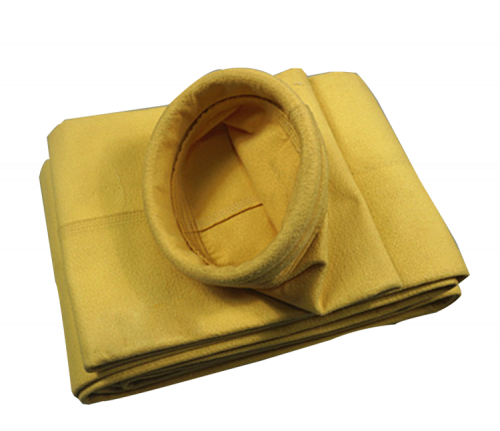
The Main Parts of a Pulse Jet System
- Filter bags: The bags capture dust and form the main barrier between dirty and clean air. Material choice affects temperature resistance, chemical resistance, and service life.
- Bag cages: The cages support the filter bags and keep them from collapsing. A well-made cage protects the bag and helps the pulse wave travel evenly.
- Pulse valves: These valves release compressed air in short bursts. A worn or leaking valve can weaken cleaning or waste air.
- Compressed air manifold and blowpipe: The manifold supplies air, and the blowpipe directs it to nozzles above or inside the bag rows.
- Venturi or nozzle: This part helps induce secondary air and improves the pulse effect inside the bag.
- Controller: The controller sets pulse duration, interval, sequence, and pressure. It is the brain of the cleaning cycle.
- Hopper and discharge: The hopper collects dislodged dust, and the discharge system removes it from the collector.
- Pressure and differential sensors: These instruments show how hard the system is working and whether cleaning is effective.
How the Cleaning Cycle Works Step by Step
First, dusty air enters the baghouse. Dust builds on the outside of the filter bags. The controller monitors time, pressure drop, or both. When cleaning is needed, the controller sends a signal to a pulse valve. The valve opens briefly and sends compressed air into a blowpipe. The air exits through nozzles and creates a pressure wave inside the bag. The bag expands and then returns to its supported shape. The dust cake cracks and falls into the hopper. The controller then moves to the next row of bags. The sequence continues until the cleaning cycle is complete.
Dust Cake Formation and Release
The dust cake is not simply dirt. It is part of the filtration process. When the cake is too thin, fine particles may pass more easily and emissions can rise. When the cake is too thick, airflow drops and energy use increases. Pulse jet cleaning tries to keep the cake in a healthy range. The right balance depends on dust properties, filter media, air-to-cloth ratio, and operating conditions. Some dusts release easily. Others are sticky, oily, or fine and require different surface treatments or cleaning settings. HENGKE offers filter media with PTFE membrane and water and oil repellent treatments to help with difficult dust and moisture conditions.
Online Cleaning and Offline Cleaning
Online cleaning happens while the dust collector is running. Offline cleaning happens when a compartment is isolated from airflow. Online cleaning is common because it keeps the process running. Offline cleaning can be more thorough because the bag is not fighting incoming dust during the pulse. Some systems use a combination. The choice depends on the process, the dust, the bag material, and the required emission level. A plant may use online cleaning for normal operation and offline cleaning during shutdowns or high-pressure-drop events.
Why Pulse Jet Cleaning Is So Common
Pulse jet cleaning is popular because it is effective, compact, and adaptable. It can handle large air volumes and many bags in one collector. It uses compressed air rather than mechanical shaking or reverse-air cleaning. It can be controlled automatically and tuned to different process conditions. It also works well with modern needle felt filter bags and PTFE membranes. For cement plants, steel mills, coal-fired power boilers, and asphalt mixing plants, pulse jet baghouses are a familiar and practical solution.

However, pulse jet cleaning is not magic. If the pulse pressure is too high, bags can wear out faster. If the pulse is too weak, dust builds up and pressure drop rises. If the pulse interval is too short, the system wastes air and may over-clean the bags. If the interval is too long, the collector may run at high pressure drop. The best settings are based on observation, pressure-drop trends, and the filter media selected for the application.
Key Settings in Plain Language
Pulse Pressure
Pulse pressure is the force behind the cleaning air. Higher pressure can remove stubborn dust, but too much pressure can damage bags and cages. Lower pressure saves energy and reduces wear, but it may not clean effectively. Many systems operate in a moderate range, but the correct value depends on bag length, dust type, and system design. A plant should not simply raise pressure to solve every problem. It should first check for moisture, valve issues, bag wear, or an incorrect cleaning sequence.
Pulse Duration
Pulse duration is how long the valve stays open. It is usually very short. A longer pulse sends more air, but it also uses more compressed air and can stress the bag. A shorter pulse may be enough for easy dust. The right duration is often found through testing and pressure-drop monitoring. The goal is a clean bag with stable airflow, not the biggest possible pulse.
Pulse Interval
Pulse interval is the time between cleaning cycles. If the interval is too short, the system cleans too often. If it is too long, dust accumulates and pressure drop rises. Many controllers use differential pressure to start cleaning when the baghouse reaches a set resistance. This demand-based approach is often more efficient than a fixed timer. It lets the system clean when needed rather than on a rigid schedule.

Pulse Sequence
Pulse sequence is the order in which rows or compartments are cleaned. A good sequence avoids cleaning all bags at once, which can disrupt airflow and cause dust re-entrainment. It also helps maintain stable pressure drop. Some systems use row-by-row cleaning. Others use compartment cleaning. The sequence should match the collector design and the process conditions.
Filter Media Makes the Cleaning Job Easier or Harder
The filter bag is at the center of pulse jet cleaning. A bag must capture dust, resist temperature and chemistry, and release the dust cake cleanly. HENGKE specializes in premium technical filtration materials for demanding industrial applications. The company supplies industrial filter bags and cloth made from advanced synthetic fibers such as PPS, Nomex, Fiberglass, and PTFE membrane. These materials offer thermal stability, chemical resistance, and high filtration efficiency for ultra-low emission targets. Depending on material choice, they can operate continuously under extreme temperatures up to 200°C–260°C. They are designed to resist acid and alkali corrosion and to support smooth dust cake release for optimal airflow.
Material selection is not a one-size-fits-all decision. Polyester needle felt is common for many general industrial dusts. PTFE needle felt offers strong chemical and temperature resistance. Fiberglass needle felt is used in high-temperature applications. PPS and Nomex are chosen for specific chemical and thermal conditions. Surface treatments can make a major difference. A PTFE coating or membrane can improve fine-particle capture and dust release. Water and oil repellent treatments can help in moist or oily conditions. HENGKE matches fiber blends, weight, and surface treatments to the specific gas chemistry and moisture levels of a client plant. This customized approach is more reliable than buying a standard bag and hoping it fits the process.
Applications That Rely on Pulse Jet Cleaning
Pulse jet baghouses are used in many heavy industries. In cement plants, they are used for kilns, clinker cooling, and grinding processes. In steel smelting, they capture dust from furnaces and material handling. In coal-fired power boilers, they help control fly ash. In asphalt mixing plants, they handle hot, abrasive dust. Each application has its own challenges. Cement dust can be alkaline and abrasive. Steel dust may contain fine metallic particles. Power plant ash can be fine and light. Asphalt dust may be sticky or oily. The filter media and cleaning settings must match the dust.
HENGKE has established itself as a trusted long-term supplier to world-renowned cement conglomerates, including Conch Cement, Taiwan Cement, Heidelberg Materials, and CEMEX. This experience matters because cement plants demand stable performance under harsh conditions. The company focuses on helping global manufacturing plants lower emissions and optimize baghouse performance. Its product portfolio and technical support are designed for industrial buyers who need dependable filtration rather than generic products.
Bag Cages and Installation Details
The bag cage is often overlooked, but it is critical. The cage supports the filter bag during pulse cleaning. If the cage is bent, poorly welded, or the wrong size, the bag may wear quickly. Sharp edges can cut the bag. A loose fit can cause movement and abrasion. A good cage helps the pulse wave travel evenly and protects the bag during installation and operation. HENGKE supplies bag cages as part of its dust isolation solutions. The company understands that bags and cages must work as a system.
Installation also affects cleaning performance. Bags must be aligned correctly. Venturis and nozzles must be clear. Pulse valves must be in good condition. The compressed air supply must be dry and free of oil. Moisture in the air line can blind bags and cause crusting. A plant should check the air dryer, filters, and drain traps regularly. Small issues in the compressed air system can create large problems in the baghouse.
Pressure Drop: The Main Health Signal
Pressure drop, or differential pressure, is the difference between the dirty side and clean side of the baghouse. It is the best simple indicator of how hard the system is working. Low pressure drop may mean the bags are clean, but it can also mean bags are missing or damaged. High pressure drop may mean the dust cake is too thick, the cleaning system is weak, or the airflow is too high. A stable pressure drop within the design range is a good sign. A sudden change should trigger an inspection.
Operators should trend pressure drop over time. A gradual rise may indicate that pulse cleaning is not keeping up. A sudden rise may indicate moisture, a closed damper, or a valve failure. A sudden drop may indicate a bag tear or a cage problem. By watching trends, a plant can avoid emergency shutdowns and extend bag life. HENGKE’s filtration media are designed to help lower pressure drops and extend bag service life when matched correctly to the application.
Common Problems and Plain-Language Fixes
- High pressure drop: Check pulse pressure, pulse duration, and valve operation. Inspect for moisture, dust bridging, or an incorrect cleaning interval.
- Dust passing through the bag: Look for bag tears, poor sealing, incorrect installation, or a media that is not suitable for the particle size.
- Short bag life: Check for over-cleaning, high pulse pressure, cage damage, abrasion, or chemical attack. Review temperature and moisture conditions.
- Oil or moisture in the baghouse: Improve compressed air drying, check for leaks, and consider water and oil repellent treatments.
- Uneven cleaning: Inspect nozzles, blowpipes, and valves. Confirm that the sequence is correct and that all rows receive air.
- Compressed air waste: Repair leaking valves and avoid unnecessarily high pressure or short intervals.
Maintenance Habits That Make a Difference
Good maintenance is mostly about observation. A plant should record pressure drop, compressed air use, valve performance, and bag condition. It should inspect bags during shutdowns and look for wear patterns. It should check cages for bends and sharp edges. It should verify that the controller settings match the current process. It should also keep spare bags and cages available for quick repairs. These habits reduce downtime and protect emissions performance.
HENGKE supports global buyers with technical expertise and customization. The company provides bespoke filtration solutions rather than only standard products. It also has experience in international trade, logistics management, and risk handling, including complex maritime insurance claims and General Average declarations. This helps ensure secure, end-to-end delivery for global buyers. For plants in emerging markets and established industrial regions, a supplier with both filtration knowledge and supply-chain experience can reduce project risk.
Emissions, Compliance, and Cost
Pulse jet cleaning is closely linked to environmental compliance. If bags are damaged or cleaning is poor, particulate matter can escape. Regulations for PM2.5 and PM10 are becoming stricter in many regions. A well-maintained baghouse with the right filter media can help plants meet these limits. HENGKE’s filter bags are engineered for high filtration efficiency and stable quality. The company holds ISO 9001:2015 Quality Management System Certification and ISO 14001:2015 Environmental Management System Certification. It also provides third-party technical textile testing reports. These credentials help buyers evaluate quality and consistency.
Cost is not only the price of a bag. It includes compressed air, maintenance labor, downtime, and replacement frequency. A low-cost bag that fails early can be more expensive than a higher-quality bag that lasts longer. HENGKE aims to deliver cost-effective performance through optimized manufacturing processes and strong upstream material partnerships. The goal is an optimal balance of lifespan and investment return for industrial end-users. This is especially important in cement, steel, power, and asphalt plants where baghouses run continuously.
Choosing the Right Partner
A pulse jet baghouse works best when the bag, cage, cleaning system, and operating practices are treated as one system. Buyers should look for a supplier that understands dust chemistry, temperature, moisture, and airflow. They should ask for material data, test reports, and application references. They should also consider installation support and long-term supply reliability. HENGKE serves heavy industries globally with a focus on dust isolation solutions. Its core product categories include industrial filter bags and cloth made from advanced synthetic fibers, with capabilities for high temperature, chemical resistance, and smooth dust release. The company targets key emerging markets and major cement plants globally with customized technical textile supply.
In plain language, pulse jet cleaning is a controlled puff of air that keeps filter bags breathing. It is simple in concept but depends on good design, correct media, and regular care. When the system is tuned well, bags last longer, pressure drop stays stable, compressed air is not wasted, and emissions remain under control. HENGKE’s experience with high-performance needle felts, bag cages, and global supply gives industrial plants a practical path to better baghouse performance.
For plants reviewing baghouse performance, the first step is often a simple check of pressure drop, pulse settings, and bag condition. The next step is matching the filter media to the real operating conditions. HENGKE’s team focuses on these details because reliable pulse jet cleaning is not just about the valve or the controller. It is about the whole filtration system working together.