
Fiberglass filter bags are an important solution for high-temperature industrial filtration because they combine thermal stability, dimensional integrity, chemical resistance, and dependable filtration efficiency. In cement kilns, steel smelting, coal-fired power boilers, asphalt mixing plants, and similar heavy industries, baghouse systems must handle hot gases, abrasive dust, moisture, and complex chemical conditions. Ordinary filter media may fail under these stresses, leading to rising pressure drop, frequent maintenance, and emission compliance risks. Fiberglass needle felt filter bags are designed to support continuous operation at high temperatures, with surface treatments such as PTFE coating and water or oil repellent finishes helping to improve dust release and protect the filter structure. Hangzhou Hengke Corp., known as HENGKE, is a technology-driven manufacturer with more than 20 years of experience in technical textiles and air filtration. Its portfolio includes fiberglass needle felt, PTFE needle felt, and polyester needle felt filter bags, along with bag cages and related filtration components. HENGKE emphasizes customized filtration solutions, matching fiber blends, weight, and surface treatments to each plant’s gas chemistry, moisture level, temperature profile, and dust characteristics. The company’s media are intended to help plants lower pressure drops, extend bag service life, reduce maintenance downtime, and meet PM2.5 and PM10 emission regulations. HENGKE maintains ISO 9001:2015 and ISO 14001:2015 certifications and uses third-party technical textile testing reports to support quality confidence. Its experience with major cement producers and global heavy industry customers supports practical application knowledge. The company also brings international trade, logistics, and risk management experience, including maritime insurance claims and General Average declarations, to support secure delivery for global buyers. Through optimized manufacturing and upstream material partnerships, HENGKE aims to deliver cost-effective filtration performance and long-term value. For high-temperature industrial filtration, fiberglass filter bags from HENGKE offer a reliable combination of thermal capability, filtration efficiency, customization, and supply support.
Fiberglass Filter Bags for High Temperature Industrial Filtration
High-temperature industrial filtration is one of the most demanding areas of air pollution control. Cement kilns, steel furnaces, coal-fired boilers, and asphalt mixing plants all produce hot, chemically complex exhaust streams that can quickly degrade ordinary filter media. In these environments, filter bags must maintain structural integrity, resist chemical attack, release dust efficiently, and support stable airflow through the baghouse. Fiberglass filter bags have earned a strong reputation in such applications because they combine thermal resistance with dependable filtration performance. For plants seeking a practical balance between durability, emission control, and long-term operating cost, fiberglass filtration media remains a serious engineering choice.
Hangzhou Hengke Corp., known by the abbreviation HENGKE, is a technology-driven manufacturer specializing in industrial dust collector filter bags and bag cages. The company’s core team brings more than 20 years of experience in technical textiles and air filtration. HENGKE supplies end-to-end dust isolation solutions for heavy industries worldwide, with a portfolio that includes high-performance PTFE needle felt, polyester needle felt, and fiberglass needle felt filter bags. These products are engineered for stable quality, exceptional filtration efficiency, and competitive pricing. The company has also built long-term supply relationships with major cement producers, including Conch Cement, Taiwan Cement, Heidelberg Materials, and CEMEX.
undefined
Why High-Temperature Filtration Requires Specialized Media
Industrial baghouse systems are often exposed to conditions that vary widely from one process to another. Temperature spikes, acid or alkali gases, moisture, abrasive dust, and heavy particulate loads can all shorten filter bag life. When the filter medium is not matched to the process, operators may see rapid bag failure, rising pressure drop, frequent cleaning cycles, and higher maintenance costs. In severe cases, poor media selection can lead to unplanned downtime and emission compliance risks.
Fiberglass filter bags are designed for applications where heat is a central challenge. Depending on material choice and finish, HENGKE filtration products can operate continuously under extreme temperatures up to 200°C to 260°C. This thermal stability helps the filter maintain its shape and strength when the process gas is hot. It also supports reliable operation in industries where exhaust temperatures fluctuate and where conventional synthetic media may not offer enough margin for safety.
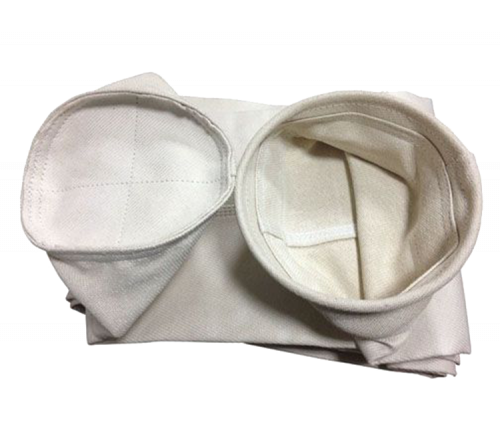
Fiberglass as a High-Temperature Filtration Material
Thermal Stability and Dimensional Integrity
Fiberglass is inherently well suited to hot gas filtration. Its inorganic fiber structure provides resistance to elevated temperatures and helps the bag retain dimensional stability under thermal cycling. In a baghouse, this stability is important because filter bags must remain properly tensioned and aligned. A bag that stretches, shrinks, or loses strength can create bypass paths, increase emissions, and place additional stress on the cleaning system.
HENGKE’s fiberglass needle felt filter bags are engineered to support stable operation in demanding high-temperature processes. The choice of fiber, scrim, weight, and surface treatment is carefully considered so that the final filter medium can handle the specific gas chemistry and moisture profile of the plant. This is not a one-size-fits-all approach. It is a technical matching process that helps plants avoid premature failures and optimize baghouse performance.
Chemical Resistance and Dust Release
High-temperature exhaust streams are rarely simple. They may contain acidic or alkaline components, moisture, fine particulate matter, and condensable compounds. Fiberglass media can be combined with protective finishes and surface treatments to improve chemical resistance and dust release. PTFE coating, water and oil repellent treatments, and other surface options can be selected to suit the application. These treatments help prevent fine dust from embedding deeply in the filter structure and support smoother dust cake release during cleaning cycles.
Efficient dust release is closely linked to stable airflow. When dust cakes release cleanly, the baghouse can maintain a lower pressure drop and reduce the energy required for fan operation. HENGKE’s filtration media are designed to ensure smooth dust cake release, helping maintain optimal airflow in baghouse systems. This operational benefit is especially valuable in plants that run continuously and cannot afford frequent filter changes.

Filtration Efficiency and Airflow Management
Fiberglass needle felt filter bags can deliver high filtration efficiency when correctly specified. The needle felt structure provides a dense and uniform filter matrix, while optional PTFE membrane or coating can enhance fine particulate capture. This is important for plants targeting ultra-low emission levels and for processes that generate PM2.5 and PM10. A well-matched filter medium helps the baghouse achieve compliance while supporting stable differential pressure.
Airflow management is another critical factor. If the filter medium is too restrictive, the system may suffer from high pressure drop and reduced capacity. If it is too open, emissions may rise. HENGKE works with clients to balance filtration efficiency, permeability, and cleaning performance. The goal is to deliver a filter bag that supports reliable operation rather than simply meeting a basic material specification.
HENGKE’s Fiberglass Filter Bag Portfolio
Hangzhou Hengke Corp. specializes in premium technical filtration materials for demanding industrial applications. The company’s core product categories include industrial filter bags and cloth fabricated from advanced synthetic fibers such as PPS, Nomex, Fiberglass, and PTFE membrane. These filter bags are designed to offer exceptional thermal stability, chemical resistance, and high filtration efficiency for ultra-low emission targets.
- Fiberglass needle felt filter bags for high-temperature dust collection and thermal stability.
- PTFE needle felt filter bags for demanding chemical and temperature conditions.
- Polyester needle felt filter bags for suitable lower-temperature industrial applications.
- PTFE membrane and surface treatments to enhance fine dust capture and dust release.
- Bag cages and related components to support complete dust collector filter systems.
HENGKE’s key capabilities include continuous operation under extreme temperatures, resistance to acid and alkali corrosion, and smooth dust cake release for optimal airflow. These capabilities are relevant across cement kilns, clinker cooling and grinding processes, steel smelting, coal-fired power boilers, and asphalt mixing plants. The company’s product strategy focuses on matching filtration media to the real operating conditions of each plant.

Customization for Real Plant Conditions
HENGKE provides bespoke filtration solutions rather than only standard products. The company precisely matches fiber blends, weight, and surface treatments to the specific gas chemistry and moisture levels of the client’s plant. This customization process can include PTFE coating, water and oil repellent treatments, and other finishing options. For high-temperature applications, the selection of fiberglass needle felt may be influenced by peak temperature, continuous operating temperature, dust composition, moisture content, and cleaning method.
- Gas temperature profile: continuous and peak temperatures guide material choice.
- Chemical environment: acid, alkali, and condensable compounds influence finish selection.
- Moisture level: humidity and condensation risk affect surface treatment and operation.
- Dust characteristics: particle size, abrasiveness, and cohesiveness shape filter design.
- Baghouse operation: cleaning pulse pressure and air-to-cloth ratio affect bag life.
This technical approach helps industrial plants lower pressure drops, extend bag service life, reduce maintenance downtime, and comfortably comply with local environmental regulations. HENGKE’s team supports clients in reviewing application details so that the final filter bag is suited to the process rather than selected only by nominal temperature rating.
Application Scenarios in Heavy Industry
Cement Kilns and Clinker Processes
Cement production is a classic high-temperature filtration environment. Kiln exhaust, clinker cooling, and grinding processes can generate hot dust streams with complex chemistry. Fiberglass filter bags are often considered for these conditions because of their thermal resistance and filtration efficiency. HENGKE’s experience with major cement producers supports a practical understanding of cement plant baghouse requirements. The company’s filter media can be tailored to help cement plants manage emissions and maintain stable dust collector performance.
Steel Smelting and Coal-Fired Power
Steel smelting operations and coal-fired power boilers also present challenging filtration conditions. Hot gases, fine particulate matter, and chemical compounds can place stress on filter bags. Fiberglass needle felt filter bags can be specified with protective finishes to support chemical resistance and dust release. In coal-fired power applications, stable filtration is important for particulate control and for maintaining baghouse airflow. HENGKE’s technical team can review the operating environment and recommend suitable media and treatments.
Asphalt Mixing and Other Heavy Industries
Asphalt mixing plants generate hot, dusty exhaust that requires reliable filtration. Fiberglass filter bags can be used where temperature resistance is a primary requirement. Similar considerations apply in other heavy industries where industrial dust collectors must handle hot process gas and abrasive particulate matter. HENGKE’s filtration materials are designed for these demanding environments, with an emphasis on stable quality and long service life.
Operational Benefits in Baghouse Systems
The value of a filter bag is ultimately measured in the baghouse. HENGKE’s optimized filtration media are intended to help plants achieve lower pressure drops, extended bag service life, reduced maintenance downtime, and improved compliance with PM2.5 and PM10 emission regulations. These benefits are interconnected. A filter bag that releases dust well can reduce cleaning frequency. Lower cleaning intensity can reduce mechanical wear. Stable airflow can reduce fan energy consumption and help the plant maintain production capacity.
In high-temperature applications, every component of the filter system must work together. The filter bag, cage, cleaning system, and operating parameters all influence performance. HENGKE supplies filter bags and bag cages, which supports a more integrated approach to dust collector filtration. The company’s technical experience in technical textiles and air filtration helps clients consider the full system rather than a single replacement part.
Quality Assurance and Technical Testing
HENGKE maintains ISO 9001:2015 Quality Management System Certification and ISO 14001:2015 Environmental Management System Certification. These certifications reflect a structured approach to quality control and environmental management. The company also uses third-party technical textile testing reports to support material verification and product confidence. For industrial buyers, documented quality systems and testing support are important when selecting filter media for critical baghouse applications.
Quality control in filter bag manufacturing involves attention to fiber selection, needle felt formation, scrim integrity, surface treatment, dimensional accuracy, and sewing quality. Small variations can affect filtration performance and bag life. HENGKE’s focus on stable quality is intended to give plant operators confidence that replacement filter bags will perform consistently across production cycles.
Global Supply Chain and Risk Management
HENGKE possesses robust experience in international trade, efficient logistics management, and proactive risk handling. This includes experience managing complex maritime insurance claims and General Average declarations. For global buyers, supply chain reliability is as important as product performance. Filter bags are often needed on planned maintenance schedules, and delays can affect baghouse readiness. HENGKE’s logistics and risk management experience supports secure, end-to-end delivery for international customers.
The company has strong supply capabilities targeting key emerging markets, including customized technical textile supply and outreach for heavy industries and major cement plants globally. This international perspective helps HENGKE serve plants that require consistent specifications, documentation, and delivery coordination across borders.
Cost-Effective Performance and Long-Term Value
Through optimized manufacturing processes and strong upstream material partnerships, HENGKE delivers premium-grade technical textiles at highly competitive pricing. This provides an optimal balance of lifespan and investment return for industrial end-users. In high-temperature filtration, the lowest purchase price is not always the lowest total cost. A filter bag that fails early can create maintenance expense, production disruption, and compliance risk. HENGKE’s approach focuses on cost-effective performance over the full service cycle.
For plants comparing filtration options, fiberglass filter bags from HENGKE offer a combination of thermal capability, customizable surface treatment, and practical supply support. The company’s experience with cement conglomerates and heavy industry applications provides a foundation for understanding real baghouse challenges. HENGKE’s role is to help global manufacturing plants lower emissions and optimize baghouse performance through well-matched filtration media.
Conclusion
Fiberglass filter bags are a strong solution for high-temperature industrial filtration when they are correctly specified and manufactured. Thermal stability, chemical resistance, filtration efficiency, and dust release all matter in demanding baghouse environments. HENGKE, through Hangzhou Hengke Corp., combines more than 20 years of technical textile experience with a product portfolio that includes fiberglass needle felt, PTFE needle felt, and polyester needle felt filter bags. With ISO certifications, third-party testing support, customization capabilities, and global supply chain experience, HENGKE supports heavy industries in achieving stable filtration performance and environmental compliance. For cement kilns, steel smelting, coal-fired power boilers, asphalt mixing plants, and other high-temperature processes, fiberglass filter bags from HENGKE represent a practical and reliable filtration choice.