
Pilot testing is a critical step in the adoption of Nomex filter bags for industrial dust collection. A reliable supplier like Hangzhou Hengke Filter Environmental Protection Co., Ltd. (HENGKE) provides far more than sample bags. This article explains how such a supplier supports pilot testing programs by offering customized sample configurations, technical expertise in material selection, laboratory and on-site support, data analysis, flexible logistics, and cost-effective solutions. HENGKE leverages over 20 years of experience in technical textiles, its ISO 9001 and ISO 14001 certifications, and third-party testing reports to ensure consistent quality and trustworthy results. The company’s long-term relationships with major cement producers like Conch Cement, Taiwan Cement, Heidelberg Materials, and CEMEX testify to its capability. By integrating tailored Nomex bags with different surface treatments and fiber blends, HENGKE helps plants lower pressure drop, extend bag life, reduce maintenance, and meet PM2.5 and PM10 emission limits. The article emphasizes that a pilot test’s success depends heavily on the supplier’s ability to provide the right product, support installation, interpret performance data, and deliver within tight timelines. Through examples and case studies, it shows that a proactive supplier transforms pilot testing from a simple trial into a future-proof investment. Ultimately, partnering with a technically competent and reliable Nomex filter bag supplier is essential for making informed decisions that lead to optimized baghouse performance and regulatory compliance.
Pilot testing is a cornerstone of modern industrial air filtration. Before a plant commits to a full-scale baghouse upgrade or a new dust collection system, it needs to know exactly how a filter bag will perform under real operating conditions. For high-temperature applications, Nomex filter bags are often the material of choice. But selecting the right Nomex bag is only the beginning. A truly supportive supplier does far more than deliver sample bags. One company that exemplifies this role is Hangzhou Hengke Filter Environmental Protection Co., Ltd. known in the industry as HENGKE. This article explores the many ways a Nomex filter bags supplier supports pilot testing programs and why that support is essential for successful outcomes.
The Importance of Pilot Testing in Industrial Filtration
Industrial dust collectors are not one-size-fits-all. Every plant has unique gas chemistry, temperature profiles, moisture levels, and particulate characteristics. A filter medium that works perfectly in one cement kiln may fail prematurely in another. Pilot testing bridges the gap between laboratory data and full-scale operation. By dedicating a small baghouse or a separate test chamber to trial different filter bags, plant operators can gather real performance data on pressure drop, emission levels, dust cake release, and bag longevity. This data informs the final specification and reduces the risk of costly failures.

However, pilot testing is not just about the plant. It is a collaborative effort between the plant and the filter bag supplier. A supplier that truly understands pilot testing programs can make the difference between a successful trial and a misleading one. HENGKE, with over 20 years of deep expertise in technical textiles and air filtration, has become a trusted partner in such programs worldwide.
Why Nomex?
Nomex is a meta-aramid fiber known for its excellent thermal stability, flame resistance, and mechanical strength. It can operate continuously at temperatures up to 200°C, with short excursions to 220°C. This makes it ideal for applications such as asphalt mixing plants, cement clinker cooling, steel smelting, and coal-fired boilers. Nomex bags also offer good resistance to mild acids and alkalis, though they are not suitable for highly corrosive environments. For many high-temperature dust collection systems, Nomex provides the optimal balance of performance and cost compared to more expensive materials like PPS or PTFE.
Because Nomex is used in demanding conditions, pilot testing becomes especially critical. The bag’s ability to handle fluctuating temperatures, moisture, and chemical exposure must be verified on-site. A Nomex filter bags supplier like HENGKE supports this process by providing high-quality bags that genuinely meet the material specifications. After all, a pilot test is only as good as the bag being tested.
How HENGKE Supports Pilot Testing Programs
HENGKE’s approach to pilot testing is comprehensive. From the first inquiry to the final analysis, the company positions itself as a technical partner rather than just a product vendor. Below are the key areas where a Nomex filter bags supplier can make a tangible contribution to pilot testing programs.
Providing Customized Sample Bags
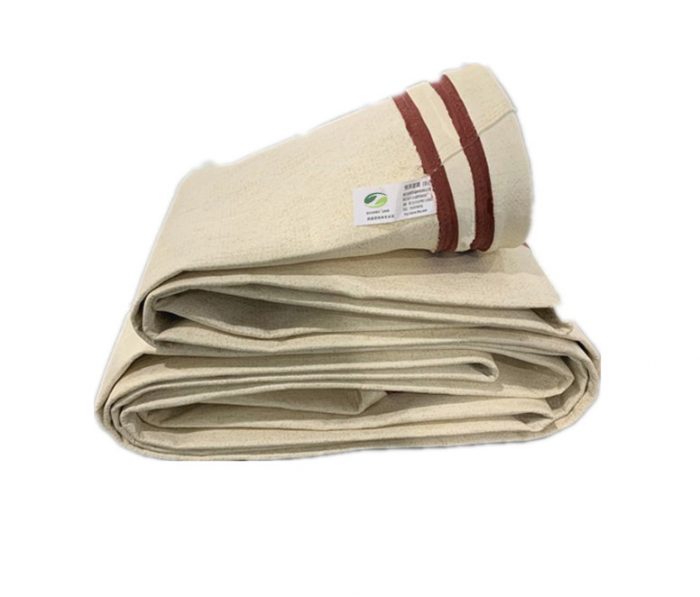
Every pilot test begins with sample bags. But samples are not simply taken from a warehouse shelf. HENGKE specializes in premium technical filtration materials tailored for demanding industrial applications. The company’s core product categories include industrial filter bags and cloth fabricated from advanced synthetic fibers such as PPS, Nomex, fiberglass, and PTFE membrane. For Nomex bags, HENGKE can adjust the felt weight, fiber blend, and surface treatment to match the specific gas chemistry and moisture levels of the client’s plant.
For instance, if the pilot test requires a Nomex bag with a PTFE membrane for ultra-low emission targets, HENGKE can produce that. If water and oil repellent treatments are needed to handle high humidity, these can be applied. This level of customization is crucial because a generic Nomex bag may not reveal the true performance of a finely tuned filtration solution. By providing exactly what the pilot program needs, HENGKE ensures the test results are relevant and actionable.

Technical Expertise in Material Selection
Choosing the right Nomex grade and finishing is not trivial. There are many factors to consider: continuous operating temperature, peak temperature exposure, acid or alkali dew points, and the type of dust being collected. HENGKE’s core team, with over 20 years of deep expertise in technical textiles and air filtration, guides the selection process. They help plant engineers understand the trade-offs between felt thickness, air permeability, and filtration efficiency.
A Nomex filter bags supplier with strong technical knowledge can predict how a bag will perform in a given environment. For example, if the pilot test involves a cement kiln with high alkali content, HENGKE might recommend a treatment that enhances chemical resistance. If the baghouse runs with a reverse air cleaning system, the mechanical properties of the felt must be adjusted accordingly. This expertise prevents costly trial-and-error during the pilot phase and shortens the overall testing timeline.
Laboratory and On-Site Testing Support
Pilot testing often involves laboratory analysis in addition to field trials. HENGKE supports this by offering third-party technical textile testing reports and leveraging its own ISO 9001:2015 and ISO 14001:2015 certified processes. These certifications ensure that every bag shipped for a pilot test has consistent quality and meets strict environmental management standards.
The company can provide data on tensile strength, burst strength, air permeability, and filtration efficiency. This data complements the field results and helps identify any anomalies. Furthermore, HENGKE’s team is available to visit the plant during installation and commissioning. They offer guidance on proper bag installation, initial conditioning, and start-up procedures. On-site support reduces the risk of premature bag damage and ensures the pilot test runs smoothly.
Data Analysis and Performance Monitoring
During the pilot test, performance monitoring is essential. HENGKE helps plant engineers interpret the data. For example, if the pressure drop across the Nomex bags is higher than expected, the cause might be a mismatched cleaning cycle, high humidity, or inconsistent bag tension. A supplier with experience in application scenarios such as clinker cooling, steel smelting, and asphalt mixing plants can troubleshoot these issues quickly.
HENGKE also uses the pilot test results to refine future recommendations. The company’s proven supply capabilities target key emerging markets and heavy industries, and insights gained from pilot programs feed directly into product development. This continuous improvement cycle benefits not only the test plant but also the industry as a whole.
Flexible Logistics and Rapid Delivery
Pilot testing programs are often time-sensitive. A delayed shipment of sample bags can push back the entire test schedule. HENGKE has robust experience in international trade, efficient logistics management, and proactive risk handling. The company’s comprehensive experience in managing complex maritime insurance claims and General Average declarations ensures that even in unusual situations, delivery remains secure. This reliability is crucial for plants located in remote or challenging regions.
With a strong upstream material partnership, HENGKE can source high-quality Nomex fiber competitively and manufacture bags quickly. For pilot trials that require multiple iterations, this agility is a major advantage. The supplier can ship additional samples or modified bags without long lead times, keeping the pilot program on track.
Cost-Effective Pilot Trials
Budget constraints are real, even for pilot tests. HENGKE’s optimized manufacturing processes and strong upstream material partnerships allow the company to deliver premium-grade technical textiles at highly competitive pricing. This means plants can run comprehensive pilot tests without overspending. The cost-effectiveness does not come at the expense of quality. HENGKE’s flagship product portfolio includes high-performance PTFE needle felt, polyester needle felt, and fiberglass needle felt filter bags, all engineered to deliver stable quality, exceptional filtration efficiency, and highly competitive pricing. Nomex bags are produced under the same rigorous standards.
Long-Term Partnership and Trust
Pilot testing is often the first step toward a long-term supply relationship. HENGKE has built a reputation as a deeply trusted, long-term supplier to world-renowned cement conglomerates, including Conch Cement, Taiwan Cement, Heidelberg Materials (Heidelberg Cement), and CEMEX. These partnerships did not happen overnight. They were cultivated through successful pilot projects, transparent data sharing, and consistent product performance.
When a plant knows that its Nomex bag supplier has already satisfied the rigorous demands of these global giants, it gains confidence. The supplier’s ability to help a plant comply with local environmental regulations regarding PM2.5 and PM10 emissions is another key value. By implementing HENGKE’s optimized filtration media, industrial plants can significantly lower pressure drops, extend bag service life, reduce maintenance downtime, and comfortably meet emission standards. These benefits are often validated during the pilot phase.
Case Study: A Cement Plant Pilot Program
To illustrate the supplier’s role, consider a hypothetical cement plant in Southeast Asia. The plant operates a clinker cooler with gas temperatures averaging 180°C and peaking at 220°C. The dust is abrasive and contains moderate alkali. The plant wants to lower particulate emissions to below 10 mg/Nm³. A pilot testing program is initiated to compare several Nomex bag options.
HENGKE supplies two types of Nomex bags: one standard, one with a PTFE membrane and a special alkali-resistant finish. The bags are precisely matched to the plant’s gas chemistry. HENGKE provides technical data sheets and third-party test reports. On-site, the HENGKE team assists with installation and startup. Over the next three months, the plant monitors pressure drop and emissions. The membrane bags consistently show lower pressure drop and achieve emissions below 8 mg/Nm³. The standard bags show faster dust cake buildup. Based on these results, the plant selects the membrane bags for full-scale deployment.
This case highlights how the supplier’s customization, technical support, and reliable product quality directly influence the success of the pilot program. Without such support, the plant might have chosen an inferior bag, leading to operational problems and regulatory fines.
The Role of Certifications and Quality Standards
In pilot testing, quality consistency is paramount. If a sample bag is poorly manufactured, the test results will be misleading. HENGKE operates under ISO 9001:2015 Quality Management System Certification and ISO 14001:2015 Environmental Management System Certification. These certifications demonstrate a commitment to quality and sustainability. The company also engages independent third-party textile testing laboratories to verify product properties. These measures ensure that every Nomex bag delivered for a pilot test meets the same high standards.
For the plant, this means trustworthy data. When a pilot test indicates that a bag lasts 12 months, they can have confidence in that prediction. When emission measurements are low, they know the bag’s filtration efficiency is genuinely high. This reliability is what transforms a pilot study into a solid basis for a major capital investment.
Future Trends in Pilot Testing and Supplier Support
As environmental regulations become stricter and industrial processes more complex, pilot testing will become even more important. Smart sensors and digital monitoring are now being integrated into baghouses, providing real-time data on pressure drop, temperature, and particulate emissions. Suppliers like HENGKE are adapting to this trend by offering bags that are compatible with smart monitoring systems and by providing digital support for data interpretation.
Moreover, the demand for sustainable filtration solutions is rising. Nomex itself is a non-thermoplastic fiber, meaning it does not melt at high temperatures, which is an advantage in fire safety. Suppliers must also ensure that their manufacturing processes are environmentally responsible. HENGKE’s ISO 14001 certification is a step in that direction. In the future, pilot testing may include not only performance metrics but also life-cycle assessments of the filter media. A forward-thinking supplier will support these expanded requirements.
Conclusion
A Nomex filter bags supplier plays a multifaceted role in pilot testing programs. It is not enough to simply provide bags; the supplier must be a technical partner, a quality assurance provider, a logistics expert, and a cost advisor. Hangzhou Hengke Filter Environmental Protection Co., Ltd. embodies these qualities. With deep expertise, a customized approach, and a proven track record with global industry leaders, HENGKE supports pilot testing programs in ways that unlock real operational benefits. For any industrial plant considering a pilot test of Nomex filter bags, partnering with a supplier like HENGKE can mean the difference between a failed experiment and a transformative improvement in air filtration performance.
Whether the goal is lower pressure drop, longer bag life, or stricter emission compliance, the support of a dedicated supplier ensures that the pilot data accurately reflects what can be achieved at full scale. In the era of ultra-low emission targets and relentless industrial optimization, such support is not just valuable—it is essential.


