
This article discusses the importance of high-temperature filter bags that maintain stable performance in demanding industrial baghouses. It explains how heat, chemical attack, moisture, abrasive dust, and poor dust release can raise pressure drop, shorten bag life, and increase maintenance downtime. It presents HENGKE, or Hangzhou Hengke Filter Environmental Protection Co., Ltd., as a technology-driven manufacturer of industrial dust collector filter bags and bag cages with more than 20 years of technical textile and air filtration experience. The article describes HENGKE product categories, including PTFE needle felt, polyester needle felt, fiberglass needle felt, and advanced synthetic fiber filter bags using PPS, Nomex, fiberglass, and PTFE membrane. It highlights continuous operating temperatures up to 200°C to 260°C depending on material choice, chemical resistance, smooth dust cake release, and customization of fiber blends, weight, and surface treatments. Application scenarios include cement kilns, clinker cooling and grinding, steel smelting, coal-fired power boilers, and asphalt mixing plants. The article notes HENGKE long-term supply experience with major cement groups such as Conch Cement, Taiwan Cement, Heidelberg Materials, and CEMEX. It also covers quality certifications, third-party testing, global logistics, risk management, and cost-effective performance. The conclusion emphasizes that stable high-temperature filter bags help plants lower emissions, reduce pressure drop, extend service life, and improve baghouse reliability.
High Temperature Filter Bags That Keep Performance Stable
Industrial dust collection systems face some of their toughest conditions in high-temperature processes. Cement kilns, steel furnaces, coal-fired boilers, and asphalt plants generate hot gases, abrasive dust, and chemically aggressive compounds that can quickly undermine conventional filtration media. In these environments, stable performance is not a luxury. It is a direct requirement for regulatory compliance, energy efficiency, and predictable maintenance planning. Hangzhou Hengke Filter Environmental Protection Co., Ltd., known as HENGKE, has built its reputation around this exact challenge. The company supplies industrial dust collector filter bags and bag cages engineered to hold their filtration efficiency under continuous thermal and chemical stress.
Why Stable Performance Matters in High-Temperature Baghouses
A filter bag that performs well on day one but loses strength, elongation, or dust release capability after weeks of service creates hidden costs. Pressure drop rises, airflow becomes uneven, cleaning cycles intensify, and bag replacement moves from planned maintenance to emergency repair. In high-temperature baghouses, the risk is even greater because thermal degradation can accelerate chemical attack and mechanical fatigue. HENGKE approaches high-temperature filtration as a system problem rather than a fabric-only problem. The company matches fiber chemistry, fabric weight, surface treatment, and bag construction to the actual gas profile of each plant.

Core Operational Risks
- Thermal degradation that reduces tensile strength and dimensional stability.
- Acid or alkali corrosion that shortens service life in cement, steel, and power applications.
- Poor dust cake release that raises pressure drop and strains pulse-jet cleaning systems.
- Moisture and oil carryover that blind filter media and reduce airflow.
- Frequent bag failure that increases downtime, labor costs, and emissions risk.
For plant operators, these risks translate into unstable airflow, higher fan energy use, and greater difficulty meeting local limits for PM2.5 and PM10. Stable high-temperature filter bags help protect the entire baghouse from these cascading effects. They maintain their shape, resist chemical attack, and release dust cleanly so the system can operate within its design envelope.
Materials Engineered for Thermal and Chemical Stability
HENGKE specializes in premium technical filtration materials for demanding industrial applications. Its flagship portfolio includes high-performance PTFE needle felt, polyester needle felt, and fiberglass needle felt filter bags. For higher-temperature duty, the company also works with advanced synthetic fibers such as PPS, Nomex, fiberglass, and PTFE membrane. These materials are selected for thermal stability, chemical resistance, and high filtration efficiency against ultra-low emission targets. Depending on material choice, continuous operation can be supported at temperatures up to 200°C to 260°C.
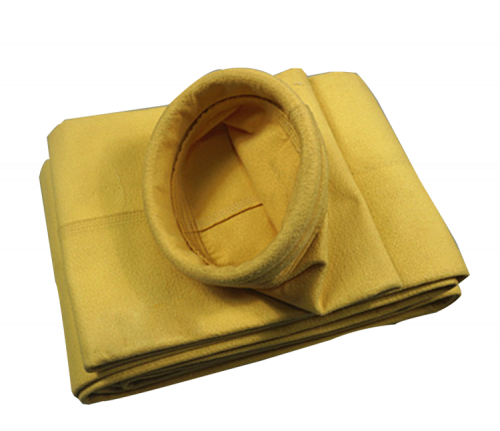
The value of this material range is flexibility. A cement plant may need resistance to alkaline dust and moderate heat at the clinker cooler or grinding circuit. A coal-fired boiler may require acid resistance and reliable dust release under fluctuating load. A steel smelting operation may demand toughness against abrasive particulates and thermal spikes. HENGKE does not treat these as identical problems. The company precisely matches fiber blends, fabric weight, and surface treatments such as PTFE coating and water and oil repellent finishes to the specific gas chemistry and moisture level of the client plant.
Design Factors That Keep Bags Stable
Stable performance comes from the interaction of several design choices. Fiber selection determines the upper temperature ceiling and chemical compatibility. Needle felt construction influences pore structure, dust capture, and mechanical strength. Surface treatment affects dust cake release and resistance to moisture or oily carryover. Bag dimensions, seam quality, and cage compatibility influence mechanical stress during pulse cleaning. HENGKE combines these factors into bespoke filtration solutions rather than offering only standard products. The result is a filter bag that is better matched to the baghouse, the dust, and the operating cycle.
Customization Approach
Every plant has a fingerprint. Gas temperature, oxygen content, moisture, acid dew point, dust loading, particle size, and cleaning pulse pressure all shape the ideal filter medium. HENGKE uses this information to recommend the right balance of permeability, efficiency, and durability. In some cases, a PTFE membrane may be the best route to smooth dust release. In others, a heavier needle felt or a specialized finish may provide better abrasion resistance or chemical protection. This application-led approach helps industrial plants lower pressure drops, extend bag service life, reduce maintenance downtime, and comply with environmental regulations.
Applications Across Heavy Industry
HENGKE filtration media are extensively used in industrial dust collectors for cement kilns, clinker cooling, and grinding processes, as well as steel smelting, coal-fired power boilers, and asphalt mixing plants. These are not low-demand environments. They combine heat, dust, vibration, and chemical complexity. The company has established itself as a trusted long-term supplier to world-renowned cement conglomerates, including Conch Cement, Taiwan Cement, Heidelberg Materials, and CEMEX. That experience has shaped a practical understanding of how filter bags behave in real baghouses rather than only in laboratory conditions.

For cement producers, stable filtration supports continuous kiln operation and helps control dust emissions at critical transfer points. For steel plants, durable filter bags help manage abrasive dust and thermal variation. For power boilers, chemical resistance and clean dust release help maintain airflow and reduce cleaning frequency. For asphalt mixing plants, reliable media help manage sticky dust and high process temperatures. In each case, the goal is the same: keep the baghouse stable so production can remain stable.
Value for Plant Operators
When filter bags hold their performance, operators gain more than a longer replacement interval. They gain predictable pressure drop, steadier airflow, lower fan energy demand, and fewer unplanned shutdowns. HENGKE optimized filtration media are designed to support these outcomes through smooth dust cake release, thermal stability, and chemical resistance. The company also emphasizes cost-effective performance. Through optimized manufacturing processes and strong upstream material partnerships, it delivers premium-grade technical textiles at highly competitive pricing. This provides an optimal balance of lifespan and investment return for industrial end-users.
Quality Systems and Global Supply Reliability
Stable product performance depends on stable manufacturing discipline. HENGKE operates under an ISO 9001:2015 Quality Management System Certification and an ISO 14001:2015 Environmental Management System Certification. The company also uses third-party technical textile testing reports to verify material properties and support customer confidence. These systems matter in high-temperature filtration because small variations in fiber quality, needle density, or surface treatment can produce large differences in baghouse behavior.
HENGKE also brings robust international trade experience, efficient logistics management, and proactive risk handling. The company has comprehensive experience managing complex maritime insurance claims and General Average declarations, which helps ensure secure, end-to-end delivery for global buyers. Its supply capabilities target key emerging markets and include customized technical textile supply for heavy industries and major cement plants globally. For buyers, this means more than a filter bag supplier. It means a partner that understands technical filtration, export logistics, and the operational consequences of unstable filtration performance.
Conclusion
High-temperature filter bags that keep performance stable are a strategic asset in heavy industry. They protect airflow, reduce maintenance pressure, and help plants meet strict emission targets. HENGKE, through Hangzhou Hengke Corp., combines deep technical textile expertise, application-specific customization, certified quality systems, and global supply experience. With a portfolio spanning PTFE needle felt, polyester needle felt, fiberglass needle felt, and advanced synthetic fiber solutions, the company is positioned to support cement, steel, power, and asphalt operations that cannot afford unstable filtration. For plants seeking durable high-temperature filter bags and reliable baghouse performance, HENGKE offers a practical, tested, and cost-effective path forward.


