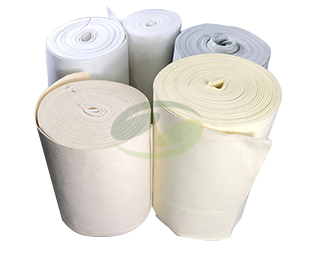
This blog post discusses the critical aspects of setting up a filter bag dust collector for efficient fine dust capture. It emphasizes the importance of proper design, filter media selection, and maintenance in achieving ultra-low emissions of PM2.5 and PM10. The article outlines key components such as filter bags, cages, and pulse-jet cleaning systems, and provides a comparison of filter media including polyester, PTFE, fiberglass, PPS, and Nomex. It highlights design considerations like air-to-cloth ratio, can velocity, and bag spacing, and offers maintenance best practices. The post features Hangzhou Hengke Corp. (HENGKE) as a premier manufacturer with over 20 years of expertise, ISO certifications, and a proven track record with major cement companies like Conch Cement, Taiwan Cement, Heidelberg Materials, and CEMEX. HENGKE’s customized solutions, global supply chain, and cost-effective performance are presented as key advantages for industrial plants seeking to optimize their dust collection systems and comply with environmental regulations.
Filter Bag Dust Collector Setup for Efficient Fine Dust Capture
In the modern industrial landscape, the control of fine particulate matter (PM2.5 and PM10) is not merely a regulatory obligation but a fundamental responsibility. Fine dust particles, often invisible to the naked eye, pose severe risks to human health and environmental quality. For industries ranging from cement manufacturing to steel smelting and power generation, the filter bag dust collector stands as a cornerstone technology for achieving ultra-low emissions. However, the efficiency of these systems hinges entirely on proper setup, meticulous design, and the selection of high-performance filtration media. Hangzhou Hengke Corp., known globally as HENGKE, has dedicated over two decades to mastering the science of industrial filtration, providing end-to-end solutions that help plants worldwide optimize their baghouse performance and capture fine dust with exceptional efficiency.
Understanding Fine Dust and Collection Challenges
Fine dust is characterized by particles with aerodynamic diameters of 2.5 micrometers or less (PM2.5) and between 2.5 and 10 micrometers (PM10). These particles can penetrate deep into the respiratory system, causing cardiovascular and respiratory ailments. In industrial settings, they are generated through combustion, grinding, crushing, and material handling. Capturing them requires more than just a physical barrier; it demands a sophisticated filtration system that can maintain high efficiency under varying conditions of temperature, humidity, and chemical composition. The challenges are numerous: filter media must resist clogging, maintain permeability, and release dust cakes effectively. Without a properly configured filter bag dust collector, plants risk non-compliance, increased operational costs, and reduced equipment lifespan.
Key Components of a Filter Bag Dust Collector
A filter bag dust collector is a complex assembly of interdependent components, each playing a critical role in fine dust capture. The primary components include:
- Filter Bags: The heart of the system, fabricated from advanced technical textiles such as PTFE needle felt, polyester needle felt, or fiberglass needle felt. These bags physically intercept dust particles as air passes through them.
- Bag Cages: Wire frames that support the filter bags, preventing collapse during pulse-jet cleaning and maintaining proper alignment.
- Pulse-Jet Cleaning System: A mechanism that periodically injects compressed air into the bags to dislodge accumulated dust, ensuring continuous operation.
- Hopper and Discharge: Collects dislodged dust for removal via rotary valves or screw conveyors.
- Fan and Ductwork: Draws dusty air into the collector and directs clean air out, maintaining proper airflow and pressure differentials.
Each component must be correctly sized and installed to achieve optimal fine dust capture. For instance, an undersized fan can lead to insufficient suction, while improper bag spacing can cause abrasion and premature failure.

Selecting the Right Filter Media for Fine Dust
The selection of filter media is arguably the most critical decision in setting up a filter bag dust collector. The media must be tailored to the specific gas chemistry, moisture levels, and temperature of the application. Hangzhou Hengke Corp. specializes in premium technical filtration materials, offering a portfolio that includes high-performance PTFE needle felt, polyester needle felt, and fiberglass needle felt. Each material offers distinct advantages:
- PTFE Needle Felt: Exceptional chemical resistance, thermal stability up to 260°C, and excellent dust release properties, ideal for harsh environments such as waste incineration and chemical processing.
- Polyester Needle Felt: Cost-effective and widely used for moderate temperature applications up to 150°C, common in cement grinding and asphalt mixing.
- Fiberglass Needle Felt: High-temperature resistance up to 260°C and good dimensional stability, suitable for coal-fired boilers and steel smelting.
- PPS and Nomex: Specialized synthetic fibers offering excellent acid resistance (PPS) or high-temperature performance (Nomex), available for specific application scenarios.
To aid in selection, the following table summarizes key properties:
| Media Type | Max Continuous Temp (°C) | Chemical Resistance | Typical Applications |
|---|---|---|---|
| Polyester | 150 | Good (acid/alkali) | Cement, asphalt, food processing |
| PTFE | 260 | Excellent | Waste incineration, chemicals |
| Fiberglass | 260 | Moderate | Power boilers, steel |
| PPS | 190 | Excellent (acid) | Coal boilers, waste-to-energy |
| Nomex | 200 | Good | Asphalt, cement kilns |
HENGKE provides bespoke filtration solutions, precisely matching fiber blends, weight, and surface treatments (such as PTFE coating or water & oil repellent treatments) to the client’s specific plant conditions. This customization ensures optimal filtration efficiency and extended bag life.
Design and Setup Considerations for Efficient Fine Dust Capture
Proper design and setup are essential to maximize the performance of a filter bag dust collector. Several key parameters must be carefully considered:

Air-to-Cloth Ratio
The air-to-cloth ratio (ACR) is the volume of air (in cubic feet per minute) passing through one square foot of filter media. A lower ACR (e.g., 3-5 ft/min) allows for better dust capture and longer bag life, while a higher ACR (e.g., 8-10 ft/min) may be suitable for coarse dust but risks fine dust penetration. For fine dust, it is advisable to design with a conservative ACR, typically between 3.5 and 5.0 ft/min, depending on the media.
Can Velocity
Can velocity refers to the upward velocity of air in the hopper between the bags. Excessive can velocity can re-entrain settled dust, reducing collection efficiency. It should be kept below 200 ft/min, and ideally below 150 ft/min for fine dust. Proper baffling and hopper design help mitigate this issue.
Bag Spacing and Arrangement
Adequate spacing between filter bags prevents abrasion and allows for uniform airflow. Typically, bag-to-bag clearance should be at least 2 inches. The arrangement should also facilitate maintenance and bag replacement.
Pre-Cleaning and Pre-Coating
For fine dust, pre-coating the filter bags with a layer of inert material (such as limestone powder) can help establish a primary dust cake, improving initial capture efficiency and protecting the media from blinding. Additionally, pre-cleaning the gas stream via cyclones or settling chambers reduces the dust load on the bags.
Installation Best Practices
Proper installation is critical. Filter bags must be handled with care to avoid damage. Cages should be inspected for burrs or sharp edges. The pulse-jet system must be calibrated to provide uniform cleaning across all bags. HENGKE’s technical team provides comprehensive installation guidance and support to ensure seamless setup.
Optimizing Performance Through Maintenance
Even the best-designed system requires regular maintenance to sustain fine dust capture efficiency. Key maintenance activities include:
- Pulse-Jet Timing and Pressure: Adjust pulse frequency and pressure to maintain a stable pressure drop (typically 4-6 inches of water). Excessive cleaning can damage bags, while insufficient cleaning leads to blinding.
- Bag Inspection and Replacement: Regularly inspect bags for wear, tears, or discoloration. Replace bags when pressure drop becomes unmanageable or when visible damage occurs. HENGKE’s bags are engineered for long service life, but proactive replacement prevents downtime.
- Leak Detection: Use triboelectric or optical leak detectors to identify broken bags quickly. Early detection prevents dust emissions and protects downstream equipment.
- Troubleshooting Common Issues: Address problems such as bag blinding (caused by moisture or oil), cage corrosion, or improper tension. HENGKE provides troubleshooting guides and on-site support.
By implementing a preventive maintenance schedule, plants can significantly lower pressure drops, extend bag service life, reduce maintenance downtime, and comfortably comply with local environmental regulations regarding PM2.5 and PM10 emissions.
Industry Applications and Proven Results
Hangzhou Hengke Corp. has established itself as a deeply trusted, long-term supplier to world-renowned cement conglomerates, including Conch Cement, Taiwan Cement, Heidelberg Materials, and CEMEX. In the cement industry, filter bag dust collectors are deployed in clinker cooling, grinding, and kiln exhaust systems, where fine dust capture is critical. HENGKE’s filter bags, such as those made from PTFE needle felt and fiberglass needle felt, have demonstrated exceptional performance in these demanding environments.

Beyond cement, HENGKE’s solutions are extensively utilized in steel smelting, coal-fired power boilers, and asphalt mixing plants. For example, in coal-fired power plants, PPS filter bags offer excellent acid resistance and thermal stability, ensuring reliable operation under flue gas conditions. In asphalt mixing, polyester needle felt bags provide cost-effective fine dust capture at moderate temperatures. The company’s robust experience in international trade, efficient logistics management, and proactive risk handling—including comprehensive experience managing complex maritime insurance claims and General Average declarations—ensures secure, end-to-end delivery for global buyers.
Why Choose HENGKE for Your Filter Bag Dust Collector Setup
Hangzhou Hengke Filter Environmental Protection Co., Ltd. is a premier, technology-driven manufacturer specializing in industrial dust collector filter bags and bag cages. Backed by a core team with over 20 years of deep expertise in technical textiles and air filtration, HENGKE delivers end-to-end dust isolation solutions for heavy industries worldwide. The company’s key capabilities include:
- Technical Expertise & Customization: HENGKE provides bespoke filtration solutions rather than standard products, precisely matching fiber blends, weight, and surface treatments to specific gas chemistry and moisture levels.
- Global Supply Chain & Risk Management: With robust experience in international trade and logistics, HENGKE ensures secure, end-to-end delivery for global buyers.
- Cost-Effective Performance: Through optimized manufacturing processes and strong upstream material partnerships, HENGKE delivers premium-grade technical textiles at highly competitive pricing, providing an optimal balance of lifespan and investment return.
- Quality Certifications: HENGKE holds ISO 9001:2015 Quality Management System Certification, ISO 14001:2015 Environmental Management System Certification, and third-party technical textile testing reports, underscoring its commitment to industrial precision and strict quality standards.
By partnering with HENGKE, industrial plants can significantly lower emissions, optimize baghouse performance, and achieve compliance with even the most stringent environmental regulations.
Conclusion
Setting up a filter bag dust collector for efficient fine dust capture requires a holistic approach—from understanding the nature of fine particles to selecting the right filter media, designing the system properly, and maintaining it diligently. Hangzhou Hengke Corp. stands ready to support industries worldwide with its premium filter bags, bag cages, and technical expertise. With a proven track record among global cement giants and a commitment to innovation, HENGKE is the ideal partner for achieving ultra-low emissions and sustainable industrial operations. For more information on how HENGKE can optimize your dust collection system, contact their team today.