
High temperature filter bag failures often result from avoidable specification and maintenance mistakes rather than normal wear. Common problems include selecting bags by nominal temperature alone, ignoring chemical attack and hydrolysis, overlooking moisture and dew point, poor precoating and start-up, overcleaning, mechanical damage during installation, undersized baghouses, and assuming all PTFE or high temperature media are equal. Plants also shorten bag life by failing to monitor pressure drop and emissions and by buying only on price. HENGKE, a technology-driven manufacturer of industrial filter bags and cages, emphasizes matching fiber blends, weight, and surface treatments to actual gas chemistry and moisture levels. Its portfolio includes PTFE, polyester, and fiberglass needle felt bags, supported by ISO certifications and third-party testing. By treating filter bags as part of an engineered system and working with an experienced supplier, plants can extend service life, lower pressure drops, reduce downtime, and maintain emission compliance.
High Temperature Filter Bag Mistakes That Shorten Service Life
High temperature filter bags are among the most critical consumables in industrial dust collection systems. In cement kilns, steel smelting, coal-fired boilers, asphalt mixing plants, and other heavy-duty processes, the baghouse often operates under severe thermal, chemical, and mechanical stress. When a filter bag fails earlier than expected, the consequences are rarely limited to the cost of replacement bags. Rising pressure drop, reduced airflow, frequent maintenance shutdowns, and non-compliance with emission limits can quickly turn a small oversight into a significant operational and financial burden.
Hangzhou Hengke Filter Environmental Protection Co., Ltd. (HENGKE) is a technology-driven manufacturer specializing in industrial dust collector filter bags and bag cages. Backed by a core team with more than 20 years of experience in technical textiles and air filtration, HENGKE supplies end-to-end dust isolation solutions to heavy industries worldwide. Its portfolio includes high-performance PTFE needle felt, polyester needle felt, and fiberglass needle felt filter bags, along with advanced synthetic fibers such as PPS, Nomex, fiberglass, and PTFE membrane. The company has built long-term supply relationships with major cement producers, including Conch Cement, Taiwan Cement, Heidelberg Materials, and CEMEX.
Despite advances in filtration media, many high temperature filter bag failures still trace back to avoidable specification, installation, and maintenance mistakes. HENGKE’s technical team regularly reviews baghouse performance data and finds that premature failures usually follow a small number of recurring patterns. Understanding these mistakes is essential for plants that want to extend bag service life, lower pressure drops, reduce maintenance downtime, and maintain compliance with PM2.5 and PM10 emission regulations.
Mistake 1: Selecting Bags by Nominal Temperature Alone
One of the most common errors is choosing a filter bag based only on its nominal maximum temperature. High temperature filter bags are often rated for continuous operation up to 200°C–260°C, depending on the material. However, real baghouse conditions include temperature spikes, start-up and shutdown cycles, localized hot spots, and fluctuating gas loads. A bag that performs well under steady conditions may degrade rapidly when short-term excursions exceed its tolerance.
undefined

HENGKE emphasizes that buyers should evaluate continuous temperature, peak temperature, duration of excursions, and margin of safety together. Fiber selection should match the actual gas chemistry and moisture level of the plant, not just a single temperature figure. PPS, Nomex, fiberglass, and PTFE each have different strengths and limits. For example, fiberglass offers excellent thermal stability, while PTFE membrane media can improve filtration efficiency and dust release. The right choice depends on the complete operating profile.
Mistake 2: Ignoring Chemical Attack and Hydrolysis
High temperature alone does not cause all bag failures. Chemical attack is often more subtle and more destructive. Acid and alkali corrosion, oxidation, and hydrolysis can weaken fibers long before the bag reaches its expected service life. In cement kilns, coal-fired boilers, and steel plants, the gas stream may contain sulfur compounds, moisture, nitrogen oxides, and other reactive components. If the filter medium is not matched to that chemistry, the bag may lose strength, become brittle, or develop pinholes.
HENGKE’s customization approach precisely matches fiber blends, weight, and surface treatments to the client’s specific gas chemistry and moisture levels. Options such as PTFE coating and water and oil repellent treatments can improve resistance and dust cake release. Plants that treat every high temperature application as identical often pay for it through short bag life and unstable emissions.
Mistake 3: Overlooking Moisture and Dew Point
Moisture management is another frequent weakness. When flue gas temperature falls below the dew point, condensation can form inside the baghouse. Wet dust becomes sticky, blinds the filter surface, and increases pressure drop. In severe cases, moisture combined with acidic components can accelerate corrosion and fiber degradation. Start-up, shutdown, and low-load operation are especially risky because gas temperatures may drop quickly.
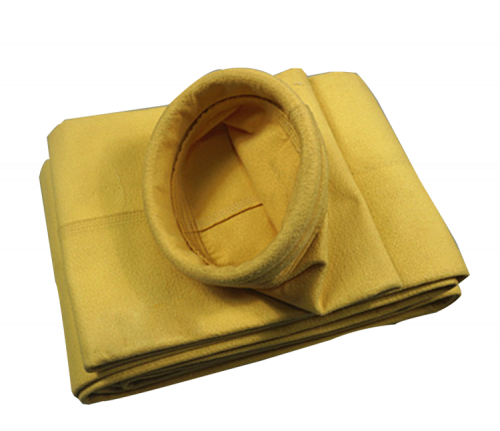
Preventing moisture-related failure requires more than choosing a water-repellent finish. Plants should control inlet temperature, preheat the baghouse during start-up, avoid prolonged operation below dew point, and maintain proper insulation. HENGKE’s technical textile experience helps plants select media and surface treatments that support smooth dust cake release and stable airflow in humid or variable conditions.
Mistake 4: Poor Precoating and Start-Up Practice
New filter bags need a controlled start-up to build an initial dust cake. If the system is pushed to full load immediately, fine particles may penetrate deep into the media before a protective layer forms. This can cause irreversible blinding and a permanent rise in pressure drop. Poor precoating practice is particularly damaging in high temperature applications where cleaning pulses are aggressive and dust characteristics vary.
A disciplined start-up plan includes gradual load increases, controlled dust conditioning, and careful monitoring of pressure drop. HENGKE advises plants to match precoating methods to the filter medium and process dust. A well-established dust cake protects the bag, improves filtration efficiency, and helps the baghouse maintain stable airflow.
Mistake 5: Overcleaning and Excessive Pulse Pressure
Operators sometimes respond to high pressure drop by increasing pulse frequency or pulse pressure. This can shorten bag life rather than extend it. Overcleaning removes the protective dust cake, drives fine particles into the media, and causes mechanical flexing that weakens the fabric. Excessive pulse energy can also damage seams, coatings, and bag cages.
HENGKE recommends optimizing cleaning cycles based on actual pressure drop trends rather than fixed timers. Proper pulse duration, pressure, and interval settings vary by dust type, media, and baghouse design. Stable pressure drop and smooth dust release are better indicators of cleaning performance than aggressive pulse action.
Mistake 6: Neglecting Mechanical Damage During Installation
Many high temperature filter bags are damaged before they ever see normal operation. Rough handling, incorrect tension, misaligned cages, sharp edges, and improper installation can create pinholes or seam stress. Even small tears can allow dust bypass, increase emissions, and force premature replacement. Bag cages also matter. Bent, corroded, or poorly finished cages can rub against the bag and cause abrasion.
HENGKE supplies both filter bags and bag cages, which helps plants address fit and compatibility as a complete system. Careful inspection of cage welds, surface finish, and bag dimensions reduces mechanical risk. Installation should follow clear procedures, with attention to vertical alignment, tension, and protection from sharp components.
Mistake 7: Undersizing the Baghouse and Ignoring Air-to-Cloth Ratio
High temperature filter bags cannot compensate for a poorly sized baghouse. If the air-to-cloth ratio is too high, the bags face excessive gas velocity, heavy dust loading, and rapid abrasion. Pressure drop rises, cleaning becomes more frequent, and bag life falls. This problem often appears when production capacity is increased without reviewing baghouse performance.
HENGKE’s application experience covers cement kilns, clinker cooling and grinding, steel smelting, coal-fired power boilers, and asphalt mixing plants. Each application has different dust loading, gas temperature, and chemical profiles. Proper media selection must be combined with realistic airflow design and maintenance planning.
Mistake 8: Assuming All PTFE Membranes or High Temperature Media Are Equal
Not all high temperature filter media perform the same way. PTFE membrane quality, fiber blend, needle felt weight, surface treatment, and manufacturing consistency all affect filtration efficiency and service life. A low-cost bag that looks similar on paper may have weaker seams, inconsistent permeability, or poor dimensional stability.
HENGKE focuses on stable quality, exceptional filtration efficiency, and competitive pricing. The company operates under ISO 9001:2015 and ISO 14001:2015 certifications and uses third-party technical textile testing reports to support product performance. For global buyers, this combination of quality management and cost-effective performance provides a better balance of lifespan and investment return.
Mistake 9: Failing to Monitor Pressure Drop and Emissions
Filter bag problems rarely appear without warning. Rising pressure drop, changing cleaning frequency, visible dust emissions, and inconsistent airflow are early signals. Plants that wait for a visible failure often lose the chance to prevent broader damage. A simple monitoring routine can reveal whether bags are blinding, leaking, or approaching the end of their service life.
HENGKE encourages data-driven maintenance. Tracking pressure drop, inlet temperature, moisture, cleaning cycles, and emission readings helps maintenance teams identify the root cause of poor performance. This is especially important in high temperature systems where small changes in gas conditions can have a large effect on bag life.
Mistake 10: Buying Only on Price
Procurement decisions based only on initial bag price can be misleading. A lower-cost bag that fails early may cost far more through downtime, labor, replacement, and compliance risk. HENGKE’s optimized manufacturing processes and strong upstream material partnerships allow it to deliver premium-grade technical textiles at highly competitive pricing. The goal is not simply to sell bags, but to help global manufacturing plants lower emissions and optimize baghouse performance.
With robust international trade experience, efficient logistics management, and proactive risk handling, HENGKE supports secure end-to-end delivery for global buyers. For plants operating high temperature dust collection systems, the most reliable path is to treat filter bags as part of an engineered system: match the medium to the gas chemistry, control moisture and start-up, protect bags during installation, monitor performance, and work with a supplier that understands the full application.
By avoiding these common mistakes, industrial plants can extend high temperature filter bag service life, reduce pressure drops, lower maintenance downtime, and maintain consistent compliance with environmental regulations. HENGKE’s combination of technical expertise, customized filtration solutions, and proven supply capability makes it a trusted partner for demanding baghouse applications worldwide.